The night before exams, the "Maturità al Sicuro" campaign kicks off against fake news and online risks.
According to data from Skuola.net, 15% of students don't know they have to hand in their phones before tests. Others are convinced they can find the evidence online.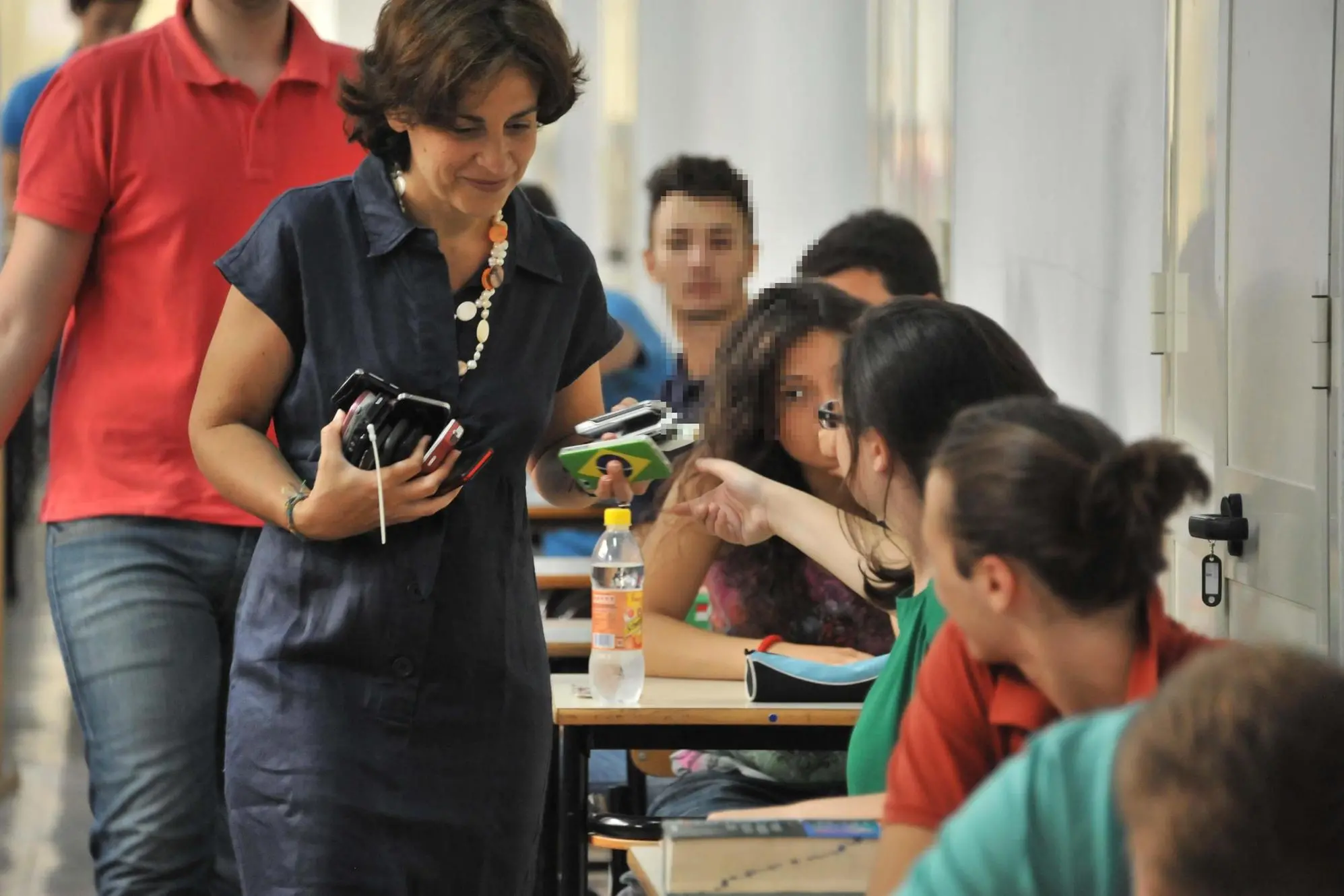
Per restare aggiornato entra nel nostro canale Whatsapp
You may have been a model student or have left some things behind during the year, but on the eve of the final exams , the emotions are the same for everyone. For thousands of students who will face the first test of the state exam tomorrow, the infamous " night before the exams" remains one of the most intense and memorable moments: dreaded, eagerly awaited, often idealized. A night of last-minute revisions, hopes, fears, and inevitable moments of confusion.
To help students avoid mistakes and pitfalls as they approach the finish line, "Maturità al Sicuro" (Safe Maturity Exams) is back, the awareness campaign promoted by the Postal Police and Cyber Security Service in collaboration with Skuola.net , now in its nineteenth year. The initiative aims to inform high school graduates about the risks of the internet , from fake news to false exam predictions , to the online scams that proliferate every year in the days leading up to the exam.
An initiative that, starting from the analysis of the behaviors and beliefs of high school graduates, aims to debunk fake news related to the high school exam and ensure a smooth running of the tests. A survey conducted by Skuola.net on a sample of 1,000 high school graduates, a few days before the exam, reveals that a full 20% of high school graduates are convinced they can find something useful online before the ministerial packages are opened : 13% believe that the topics will be circulated in advance, while 7% are certain they will be able to find the full text of the exam questions . 16% of candidates say they will spend the day before staying up late , or waking up at dawn, scouring social media and specialized websites for the non-existent scoop . Added to these is a further 30% of candidates who will stay up or stay up late, but only to revise. 80% are aware that predictions, "exam guesses" or revisions are circulating on the Internet.
Good news on the smartphone front: 85% of high school graduates know that their phones must be handed in to the examining board before sitting down, or the test and exam will be invalidated . This is an improvement on the past, but a core 15% of students remain who could ruin everything with a simple oversight: 10% believe they can keep their phone in their pocket as long as it's turned off, while 5% delude themselves into thinking they can even use it, believing the worst they can do is lower their final grade . Furthermore, with smartphones now widely perceived as unwelcome guests, attention to wearable devices has dropped dramatically. Nearly 1 in 5 students (19%) could risk exclusion due to their smartwatch: 16% believe they can keep it on their wrist as long as it's disconnected from the internet, while 3% believe they can use it.
The fog is growing even thicker over technological devices and apps that allow the use of Artificial Intelligence offline: almost a quarter of high school graduates (23%) are convinced they can bring them into the classroom, mistakenly believing that it is enough to "not communicate with the outside world" (20%) or that the consequences of a possible warning are limited to a trivial penalty on the grade (3%).
(Unioneonline/vf)