

Two and a half months in the Policlinico emergency room: the story of the elderly "ghost"
It's not medical malpractice. She arrived on December 5th, was released only a few hours before Christmas Eve, but the next day she was back at the Duilio Casula Hospital: at 72, she can't be discharged, and there's no one outside to care for her. Meanwhile, she's been stretchered for so long that she can no longer walk.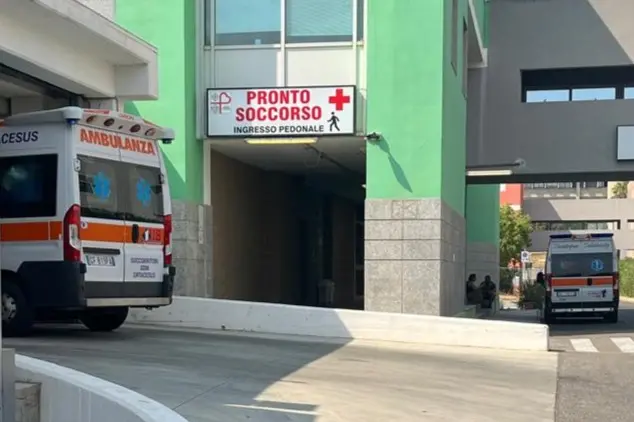
Per restare aggiornato entra nel nostro canale Whatsapp
She's been in the emergency room since December 5th. For two and a half months, she's been in the emergency department of the Duilio Casula Polyclinic. She was released only on Christmas Eve, for a few hours. The next day, she was back there, taken by an ambulance. And there she remains: no one comes to pick her up, and discharging her is impossible because there's no facility outside to care for her. And her family, except for a holiday outing, seems to have received no news. Meanwhile, her mobility is reduced, after weeks and weeks on a stretcher.
The story of the 72-year-old woman suspended in limbo in the Monserrato emergency room isn't a story of medical malpractice. On the contrary: the staff—amid heart attacks, broken arms, stomachaches, and cracked skulls—does everything they can to care for a patient who shouldn't be there. But she's there. Apparently, a ghost beyond the confines of social marginalization.
It all began on December 5th. The elderly woman presented herself to Duilio Casula Hospital for asthenia, a general malaise she had been complaining of for an unspecified amount of time. She had visited other emergency rooms for the same reason relatively recently. Her case wasn't serious, and she was treated as such.
Admission to the ward wasn't deemed necessary: in times of limited beds, it's better to keep space available for those requiring specialized care throughout the day. However, that woman, once treated, couldn't be sent away on her own two feet.
And that's where the problems began. Contact with family members was attempted several times (some are believed to be away from Sardinia), and social workers were reportedly contacted. But for a long time, according to information leaked from the hospital, nothing was found. Until December 24th, when a relative went to pick her up, the seventy-two-year-old was discharged and sent home.
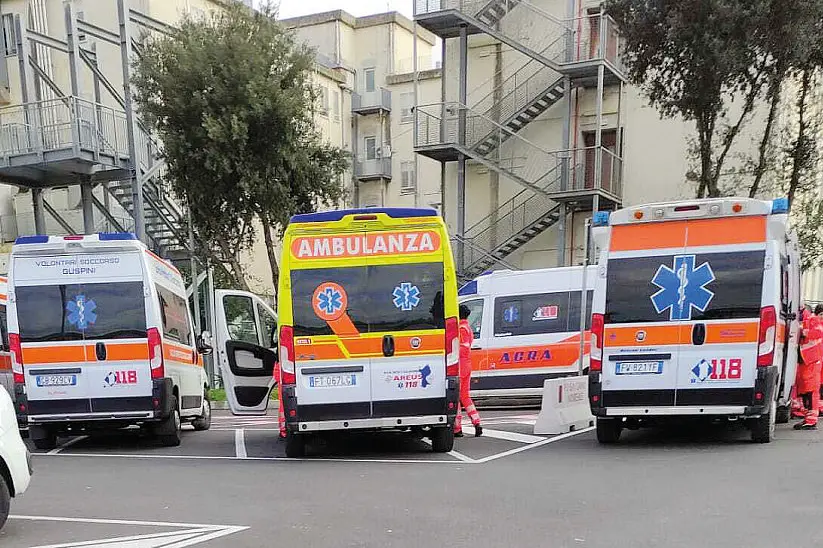
The next day, however, before dawn, she was back in the emergency room, having arrived by ambulance. She had complained of shortness of breath and a syncope episode. But to those who examined her, she seemed alert. Standard follow-up procedures were activated. The woman, if supported, could be sent home. Or to a community hospital, which should exist but doesn't. She needs assistance. But apparently no one is giving it to her.
So she remained there, just beyond the door that separates the world of those who are well from that of those in need of care. She has been bedridden for so long that her ability to walk is now minimal. The doctors and nurses help her, assist her, and feed her. They also try to help her regain her ability to move. Or to prevent the situation from worsening. In short: the hospital does what a social care facility should do because in the ward, before healthcare professionals, there are human beings who will not abandon another.
"When I learned about this case, I couldn't believe it," says the provincial secretary of FIALS, Paolo Cugliara. Accustomed to reporting system malfunctions that harm workers and patients, this time his dismay prevails: "Without going into the merits of any family issues," he emphasizes, "one cannot help but reflect on the fact that it seems the entire system has collapsed. If emergency room staff are silently addressing this issue, it's clear that there's a lack of support for citizens, especially the most vulnerable. And a just society should prioritize them, those who can't make it on their own."
According to leaks, the AOU has moved to appoint a support administrator: someone, soon, could rescue the woman from the limbo in which she is trapped.