Stagnant wages and unsustainable workloads: Private healthcare workers take to the streets
Strike called for Friday by CGIL, CISL, and UIL, with Sardinians also in Rome for the demonstration in Piazza Santi Apostoli.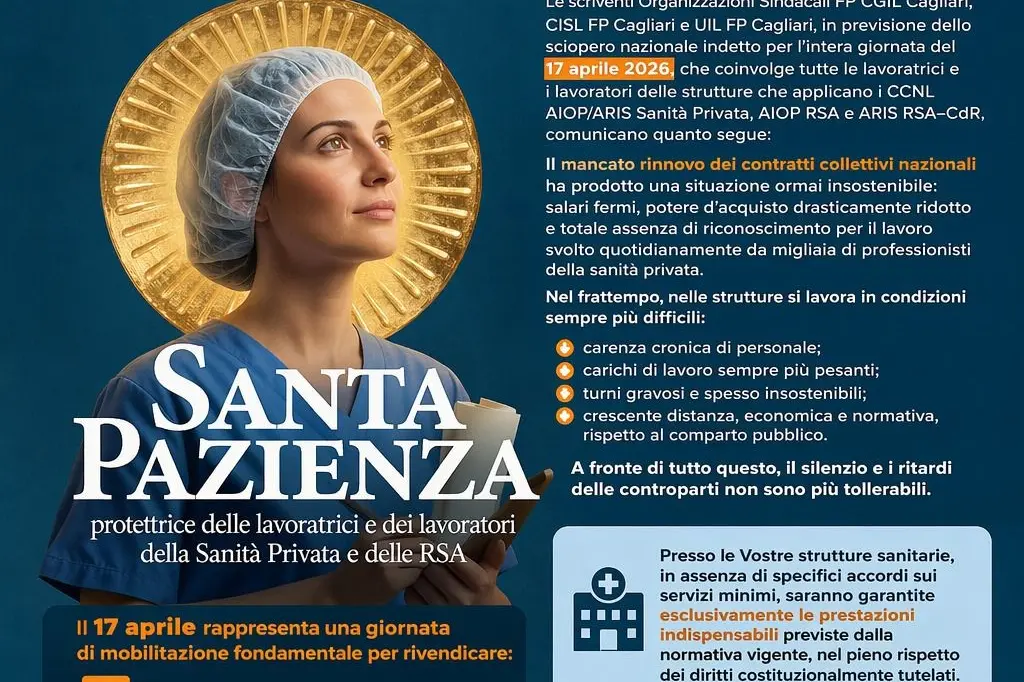
Per restare aggiornato entra nel nostro canale Whatsapp
The failure to renew national collective bargaining agreements has created an unsustainable situation: stagnant wages, drastically reduced purchasing power, and a complete lack of recognition for the work performed daily by thousands of private healthcare professionals. Meanwhile, healthcare facilities are working under increasingly difficult conditions due to chronic staff shortages, ever-heavier workloads, demanding and often unsustainable shifts, and a growing economic and regulatory divide with the public sector.
This is how Fp Cgil Cagliari, Cisl Fp Cagliari and Uil Fp Cagliari explain their reasons for joining the national strike called for the entire day of April 17 – the demonstration will be in Rome, from 9:00 am to 1:00 pm in Piazza Santi Apostoli – which involves workers in the facilities that apply the Aiop/Aris Sanità privata, Aiop Rsa and Aris Rsa-Cdr collective bargaining agreements.
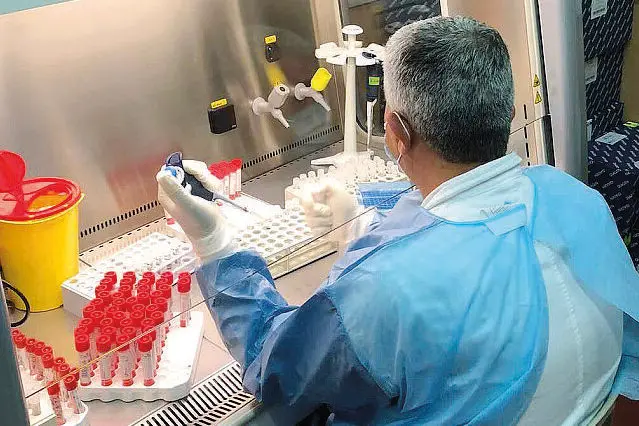
Accredited private healthcare in Sardinia today represents a key structural component of the Regional Health Service, providing hospital, rehabilitation, and social health services to thousands of citizens on a daily basis. This system, while largely supported by public resources, faces a growing and no longer sustainable criticality: the failure to renew national collective labor agreements, emphasizes Guido Sarritzu, CISL FP territorial coordinator for healthcare. This sector comprises nursing homes, residential care homes, and rehabilitation facilities, which employ thousands of workers—including nurses, healthcare assistants, technicians, and administrative staff—and provide essential services, particularly to the most vulnerable segments of the population. However, Sarritzu emphasizes, given this strategic role and significant public funding, the workers' contractual conditions are no longer sustainable. In Sardinia, despite hundreds of millions of euros in public resources allocated annually to accredited private healthcare, there remains a clear imbalance between the level of funding for these facilities and the financial and professional recognition of their staff. An imbalance that risks compromising not only the dignity of work, but also the overall stability of the system and the quality of services provided to citizens."