

Single lists in municipal elections: when a community stops competing for its future
A reflection from Emilio Chessa, former mayor of Santu Lussurgiu: "A worrying sign of civic disengagement."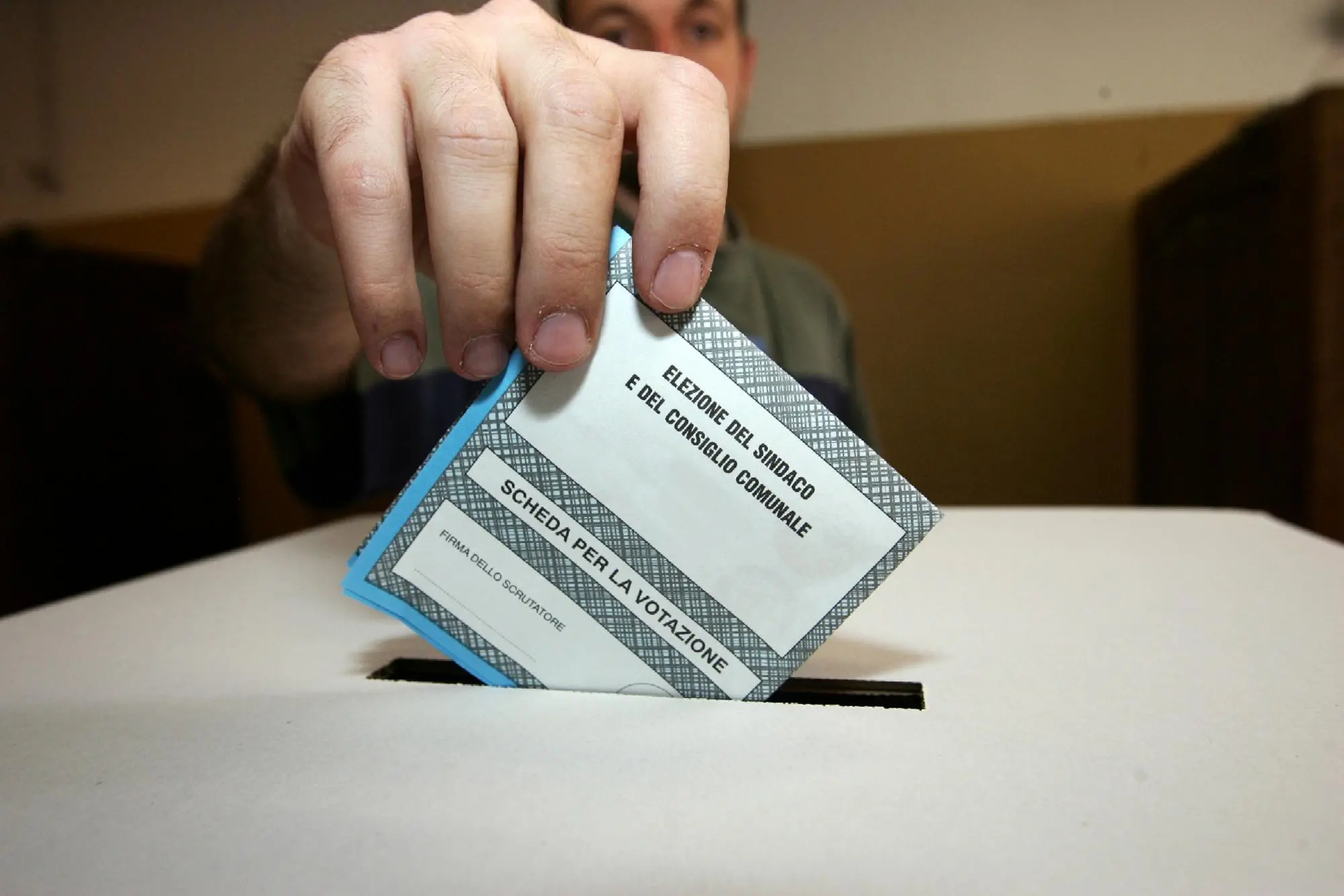
Per restare aggiornato entra nel nostro canale Whatsapp
We have received and are publishing a reflection by Emilio Chessa, former mayor of Santu Lussurgiu, on the worrying phenomenon of the lack of opposing lists in municipal elections in Sardinian towns.
To contribute to the debate: redazioneweb@unionesarda.it
***
Dear Director,
On Sunday, June 7th and Monday, June 8th, 2026, citizens of 149 Sardinian municipalities will be called to elect their mayor and city council. In several of these municipalities, only one list will be presented.
In many municipalities, democratic pluralism has been expressed for decades by the presence of multiple lists: two, three, sometimes four, the expression of a civic vitality that engaged people, ideas, and entire segments of the community. Even when the debate was bitter or imperfect, it fostered participation, public discussion, and a sense of belonging. When a community manages to represent only one list, we are not simply witnessing a simplified electoral process, but a worrying sign of civic disengagement, difficult to trace back to a normal democratic dynamic.
Political sociology has long highlighted citizens' progressive withdrawal from collective life, accompanied by a weakening of participatory networks. Forms of democracy remain, but participation is dwindling, and the perception of having little influence on public decisions is growing. Even at the local level, spaces for debate tend to shrink, making it more difficult for alternatives to emerge. When the belief that collective action can make a difference fades, public engagement is halted. And when a community loses shared narratives, places, and practices capable of generating civic sense, it also loses the ability to imagine itself differently.
In Sardinia, these processes are amplified by depopulation and growing administrative complexity. Outgoing administrations, often very active in promoting festivals, food and wine events, and convivial gatherings, fail to always create the conditions for active participation and turnover. As if simply filling the squares were enough to keep a community alive, they forget that, without discussion and vision, even the celebrations, in the long run, remain voiceless.
In this context, a question cannot be avoided: what has been built over the years to foster trust in institutions and give meaning to civic engagement? What spaces, what opportunities, what paths have been created to allow citizens to participate and identify with each other in a collective dimension.
Even where efforts have been made to promote culture, enhance ethnographic heritage, and support local production—often thanks to the commitment of autonomous cultural organizations and institutions within the regions— there has been a lack of public leadership capable of harnessing these energies within a shared vision, aimed at strengthening democratic debate and the collective dimension. In the absence of visionary projects and strategic attractors capable of generating development and making regions competitive, a kind of civic fog is fueled: a widespread belief that commitment is futile and that participation produces no real impact.
Communities possess a wealth of energy: capable young people, adults with widespread experience and professional skills. What's often lacking is a space where these energies can be recognized and transformed into a collective project. Those with cultural tools and skills cannot simply understand: they must participate. One can retreat from the complexity of the present, but this retreat, which may appear to be a defense, ends up impoverishing collective life. A community needs its intelligence not only to interpret the world, but to help change it.
Yet governing a community is an intense and rare human experience: it means entering into people's real problems, recognizing their fragilities and resources, and transforming a vision into concrete choices . It is this heritage that we also risk losing.
Those who run deserve credit: in this context, it's a responsible gesture that deserves respect. But local democracy thrives on debate. A single list deprives citizens of the ability to choose between different ideas and the council of the critical voice that guarantees balance and control.
Emilio Chessa*
*former mayor of Santu Lussurgiu