

Renewables: Thousand-megawatt mega batteries invade half of Campidano
Projects in the uncultivated lands of Selargius, Quartucciu, Settimo, and Uta. Mayors and committees are angry: "There's a risk of toxic clouds if lithium plants burn."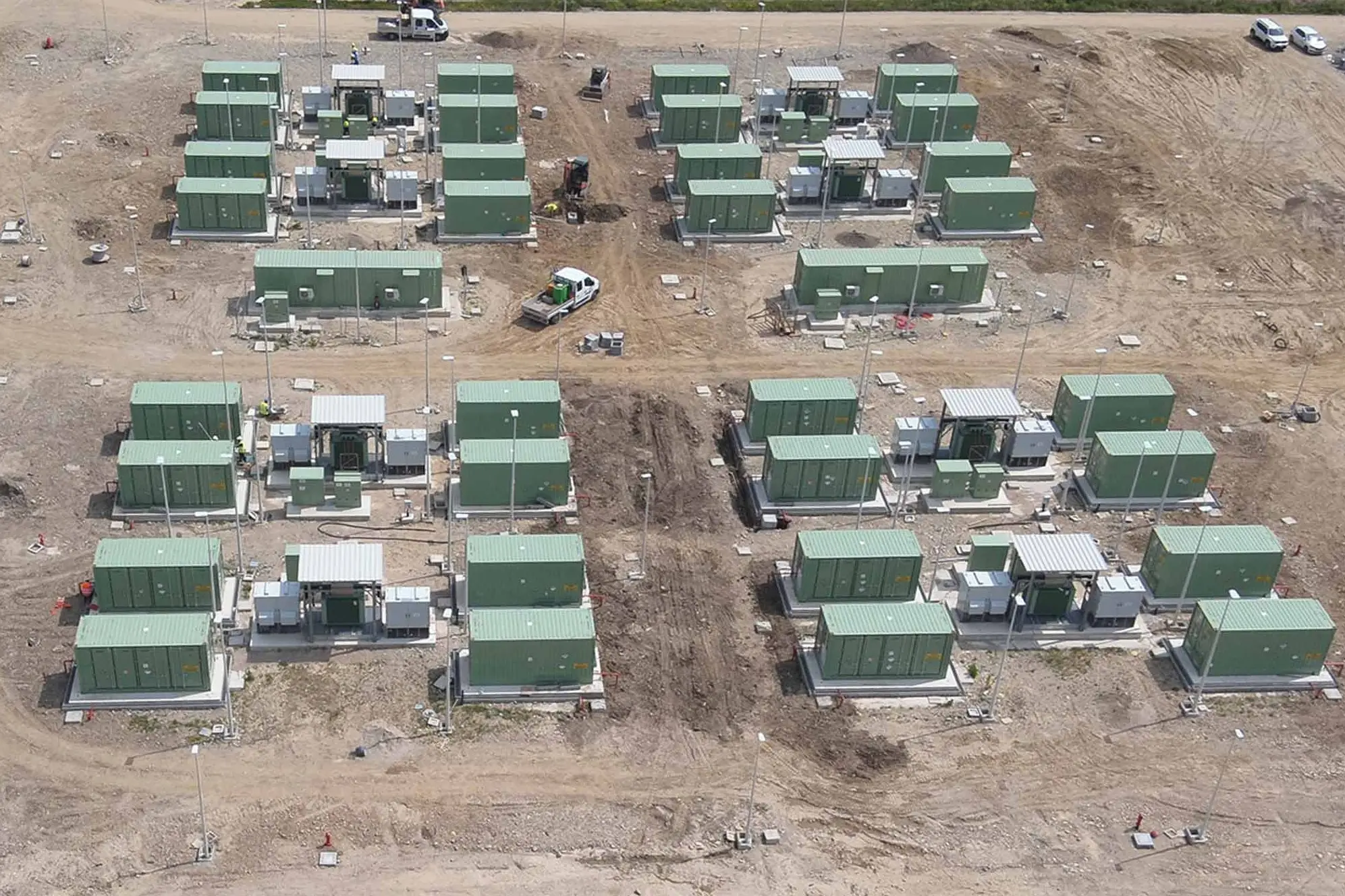
A “Bess” plant (Archive)
Per restare aggiornato entra nel nostro canale Whatsapp
The complaint comes from the "No Tyrrhenian Link" Committee of Selargius, in whose territory, along with those of Settimo, Quartucciu, and Uta, a large concentration of electrochemical storage systems (BESS) is about to be installed. A thousand-megawatt ecological bomb is about to assail the Campidano area and beyond .
Five floors
There are five projects underway to create these storage centers using lithium systems. The largest is Uta, located in the area between the prison and the Monte Arcosu reserve, just outside Cagliari. It will provide 478 megawatts of storage, 784 containers with a capacity of 36 tons each, loaded with lithium, operated by Urus Storage. But multinationals have also done things to perfection in Selargius: W Selargius Srl (transferred from Whysol-E Sviluppo Srl) will install (the project has already been authorized) 100 prefabricated containers of lithium batteries, 25 containers for the conversion system, and 50 transformers for a total capacity of 150 megawatts. Atena Storage Srl has also submitted a 200-megawatt project in Selargius. Energy Q1 Bess Srl will build an authorized storage facility in Quartucciu. The system, however, is an integral part of the project and is connected to the Selargius power station. "Its pipeline has been the subject of complaints for passing over an old hazardous waste dump, including asbestos," says Ivan Monni, an activist with the "No Tyrrhenian Link" committee. "Last summer, some residents filed a self-defense petition against the risks of this intervention." The fifth plant is in Settimo, but Frv Italia Srl designed it to connect to the Tyrrhenian Link infrastructure in Selargius.
The Committee
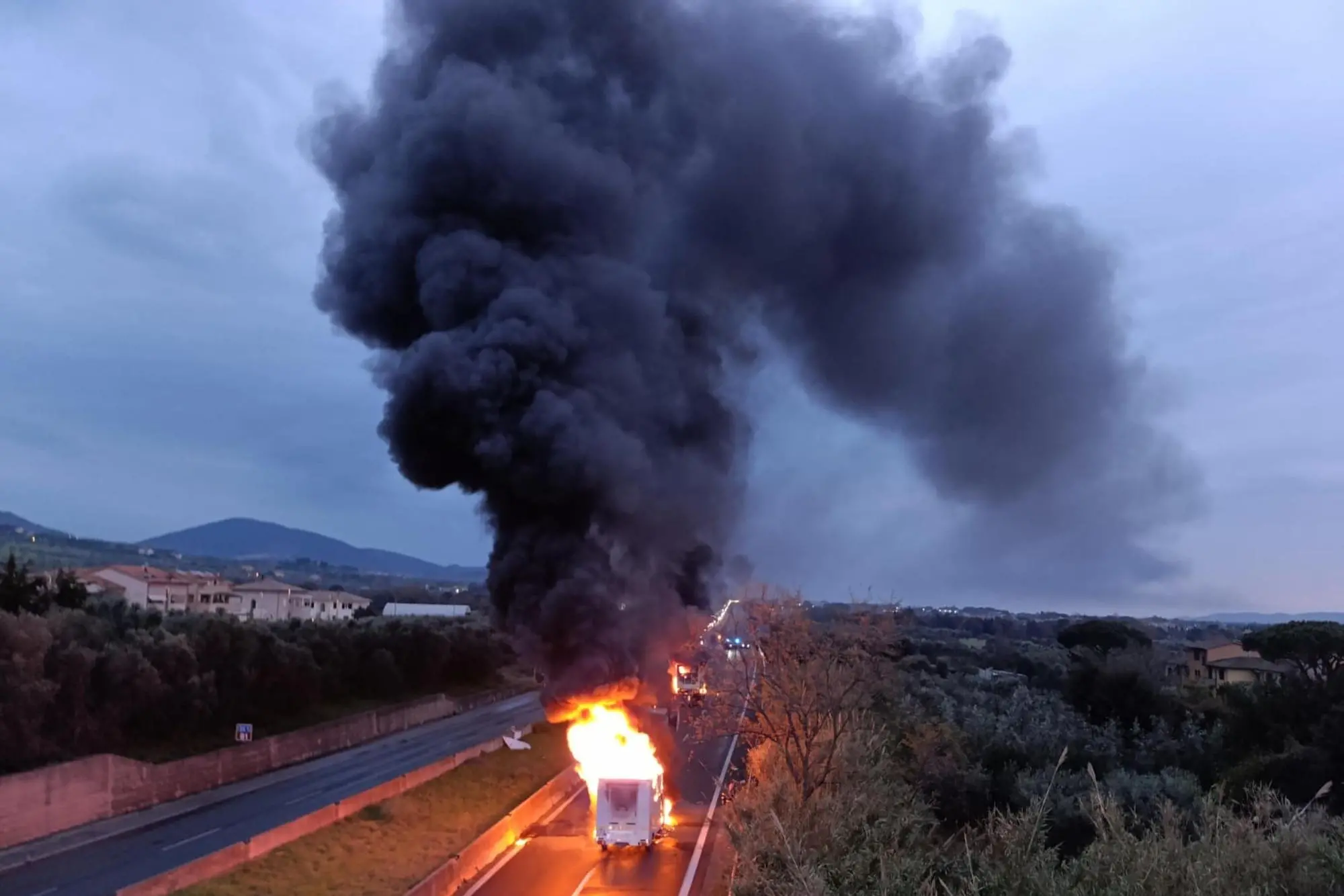
"These batteries are prone to fires and will be built in a very hot area in the summer, where high temperatures are a critical factor that can trigger thermal runaway," Monni continues. " Those same areas are already subject to hydrogeological risks and the danger of fires; last summer alone, four broke out, due to extreme summer temperatures . The population is therefore exposed to an unacceptable danger. A toxic cloud generated in Selargius would threaten the entire Cagliari area and the Campidano region."
The risks
It's well known that the main long-distance risk is related to the cloud of highly toxic, flammable, and carcinogenic gases released during the combustion or venting of lithium batteries. "These lethal substances include hydrofluoric acid, carbon monoxide, and hydrogen cyanide. The dispersion of these substances into the atmosphere may require protection of the population even kilometers away from the fire's source."
The mayors
Mayors are concerned. Mayor Giacomo Porcu argues: "Given the unique nature of these projects, we demand significant involvement from the Municipality, Metropolitan City, Region, and all relevant bodies and agencies, who, in consultation with the Ministry, can secure any discussion regarding the safety of the local population. We cannot allow these aspects to be underestimated in any way, given the vulnerabilities of the areas involved: from hydrogeological risk to fire risk, not to mention the protection of one of the most important natural sites in the world, being close to the Gutturu Mannu Park and wetlands." Gigi Concu, mayor of Selargius, will also lobby the relevant authorities: "Selargius alone is slated to host a 350-megawatt authorized or planned power plant. These BESS batteries could lead to fires in an area where fires have occurred in the past during the high-temperature summer months." Quartucciu Mayor Pietro Pisu then noted: "These projects weren't agreed upon with the communities and therefore fuel concerns about the risk of pollution. I would also add that in areas like Quartucciu, with a high density of archaeological sites, they could also cause damage to the landscape." Settimo Mayor Gigi Puddu concluded: "We will try to understand the environmental impact," he explained. "We are certainly against top-down decisions."