

Pula, a race against time to save the summer season after Cyclone Harry.
Damages exceeding two million euros, the municipality awaits the funds promised by the Region.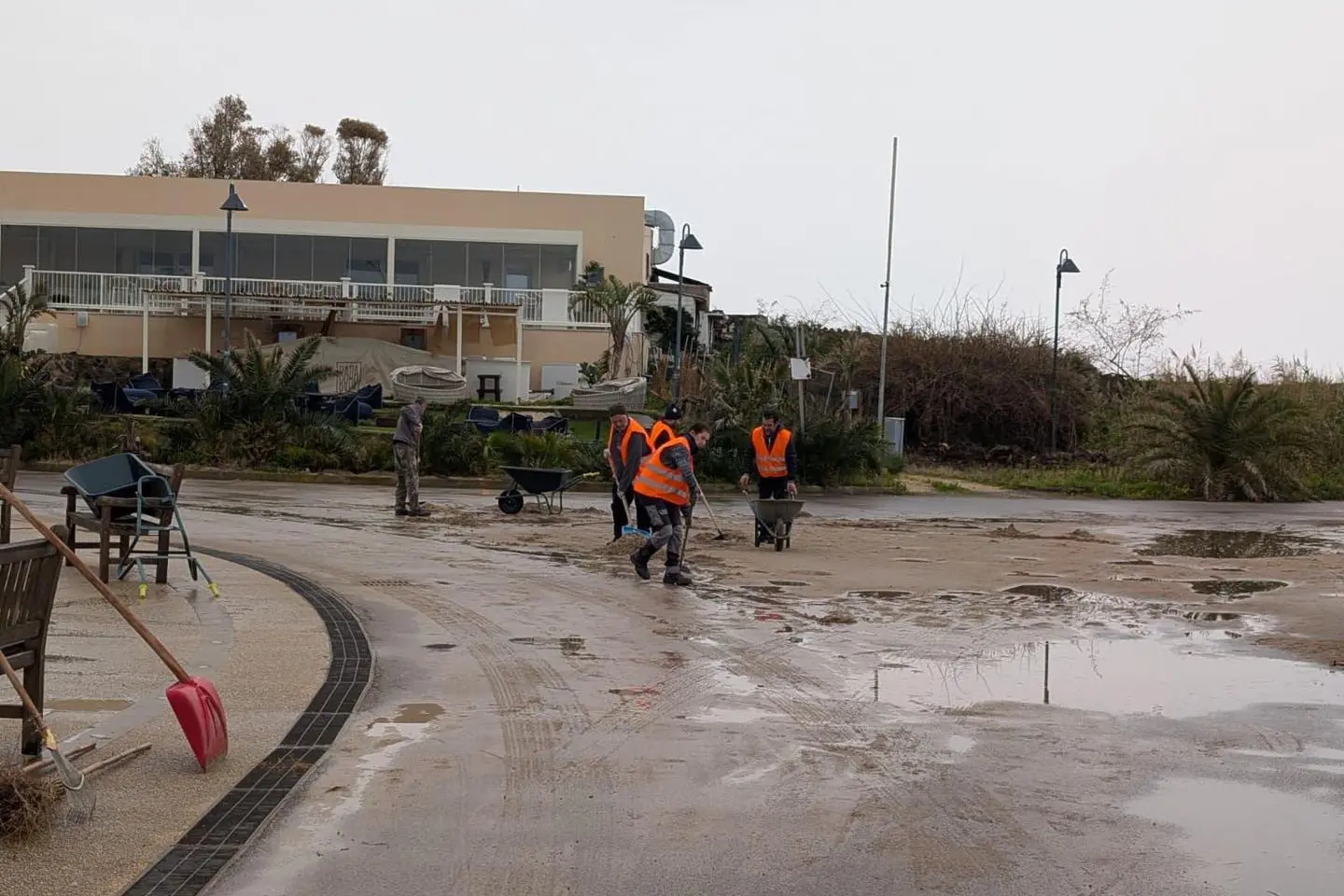
Per restare aggiornato entra nel nostro canale Whatsapp
Damage exceeding two million euros, a race against time to repair the damage caused by Hurricane Harry before the start of the summer season: while awaiting the funds promised by the Region, the Municipality has begun cleanup and restoration operations in the affected areas. Aside from the archaeological area, where the Superintendency is busy assessing the damage caused by the storm surges, Pula is paying a steep price for the disaster that struck this coast last month.
"Municipal workers and many volunteers are busy cleaning the beaches and surrounding areas," says Mayor Walter Cabasino. "Our offices have just completed the technical specifications for the most important projects, for which we hope to receive support from the Region as soon as possible. The Santa Margherita coastal road is unusable, as is the road leading to the Sardinian House in Nora. Numerous restoration projects are underway, especially in the area overlooking the Church of Sant'Efisio, where there is no longer a staircase but a sheer drop."
Elisabetta Loi, deputy mayor and councilor for Public Works, emphasizes the impossibility of intervening sooner to clean up the area: "Due to the bad weather, we couldn't do anything for a month. The beach is currently being cleaned up, where storm surges have deposited a variety of debris. Summer is approaching, and there are many emergencies. The steps leading to the Abamar beach are no longer there, and the wall beneath the Cala d'Ostia tower is compromised. We hope the Region's support will arrive soon."
From the opposition benches, councilors from Siamo Pula, however, urge the council not to wait for regional funding: "Funding from the Region and the State will arrive. Municipal coffers aren't enough, but it's equally true that budget funds can be used to stem similar disasters, precisely to ensure a quick return to normalcy. In exceptional cases, procedures must also be exceptional. We must understand that we are in a full-blown emergency. Our coastlines have remained "closed" for too long, without cleanup efforts, without involving citizens, schools, and associations. Wood, plastic, and waste could have been removed immediately with manual labor and organized volunteers to quickly return the coastline to the community, just as happened in 2013 during Cyclone Cleopatra."