

Online and phone scams peak at Christmas: how to protect yourself from scams
The Carabinieri are raising the alarm again, as the completely false call from a relative in distress is becoming increasingly widespread.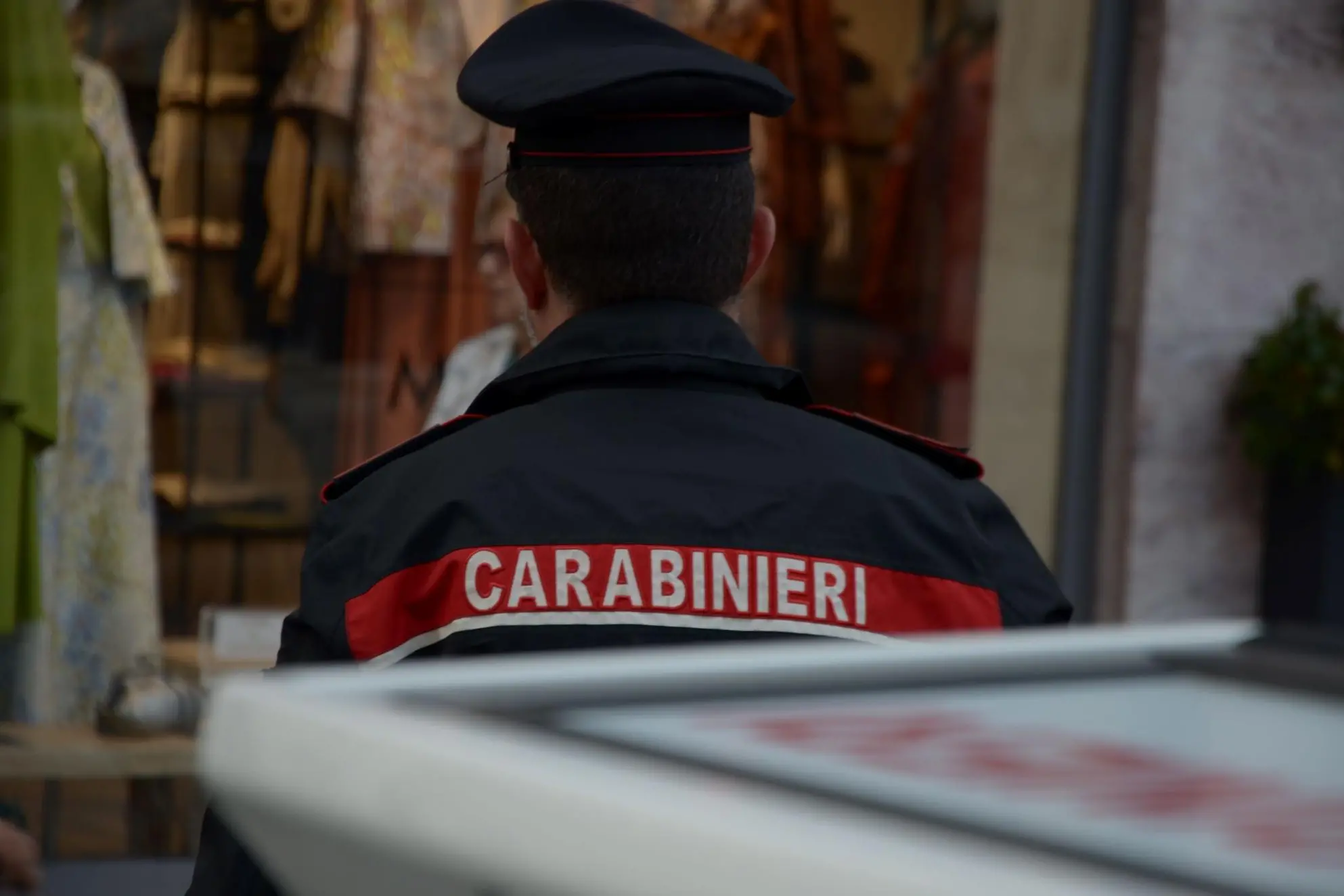
(photo Cc)
Per restare aggiornato entra nel nostro canale Whatsapp
Scams—digital, telephone, and computer-related—continue to pose a real and widespread threat, even in the province of Cagliari. Anyone who thinks they can sleep soundly at night is mistaken: anyone can fall for them, regardless of age or technological background.
Since the beginning of December , a total of 16 people have been reported who, using different methods, managed to gain the trust of their victims and steal a total sum exceeding 60,000 euros.
The techniques used appear increasingly sophisticated. Alongside the now-familiar fake online sales—often involving advertisements for smartphones, cars, household appliances, or professional equipment offered at particularly advantageous prices—phone scams are becoming more common, in which perpetrators impersonate bank operators, law enforcement officials, or other institutional entities, reproducing phone numbers, technical language, and credible procedures. The so-called "relative-in-need scam" is also becoming more common, exploiting urgency and emotional involvement to trick victims into making immediate payments.
In view of the upcoming Christmas holidays, a period traditionally marked by an increase in online purchases and transactions between private individuals, the Carabinieri "recommends maximum caution, especially when operating outside of established and guaranteed channels. The risks are particularly high both in direct purchases from unknown merchants on newly established websites and when using platforms that act as intermediaries between private individuals, should one be persuaded to abandon the security systems that provide payments and messaging controlled by the service."
Here is the handbook for protecting yourself: practical advice and essential behaviors
To reduce the risk of falling victim to a scam, it is essential to adopt some simple but effective precautions, also illustrated on the page dedicated to the Carabinieri's advice:
➡️ https://www.carabinieri.it/in-vostro-aiuto/consigli/pillole-di-prevenzione/contro-le-truffe
Among the main ones:
* Don't trust emergencies: requests for immediate money, especially if accompanied by an invitation not to hang up, should arouse suspicion.
* Always verify the identity of the person you are speaking to by interrupting the conversation and independently contacting the official numbers of the indicated organization again.
* Never provide personal or banking information or OTP codes, PINs , or credentials requested for supposed verification or security updates.
* Be wary of overly advantageous offers and do not make advance payments without adequate guarantees.
* Report unsuccessful scam attempts promptly.
Pay particular attention to online purchases. When purchasing on private sales platforms, it is essential to:
* Never leave the integrated payment and messaging systems, which offer greater protection.
* Check the seller's reputation and feedback from previous transactions.
* Be wary of prices significantly below market value.
* Avoid top-ups on prepaid cards or direct transfers to unknown parties.
The Carabinieri "urges all citizens to promptly report any suspicious incidents: even a single piece of information can be useful in identifying connections between scammers operating across multiple areas. The daily activities of the stations and patrols present throughout the province are part of a broader effort to prevent and combat predatory crimes, which sees citizen cooperation as a key factor, especially during a sensitive period like the Christmas holidays."
(Unioneonline)