

Hospital doctors: "Sardinia's healthcare system is run by power politics; enough is enough."
The Anaao-Assomed union has taken a tough stance as the sector's management spirals into chaos: "Healthcare is not a political battleground; planning should not be driven by electoral goals."
Per restare aggiornato entra nel nostro canale Whatsapp
Sardinian healthcare "has been used as a political battleground for years." Those implemented through reforms and pseudo-reforms, with hospitals being transferred from one healthcare provider to another, are decisions that "do not address the population's real health needs, but appear to serve exclusively the interests of power and the replacement of management." Anaao-Assomed of Sardinia, the hospital doctors' union, has made harsh comments, analyzing the situation of Sardinian healthcare in light of the management vacuum caused by the Constitutional Court ruling that struck down the appointment of commissioners to the Local Health Authority (ASL), Areus, AOU, and Brotzu.

According to the organization representing the medical staff , "Sardinian healthcare needs stability, competence, and organizational capacity: this is where we need to start again." This ignores the periodic stagecoach raids with "disassembly and reassembly operations of the regional healthcare system, with the relocation of hospitals, patients, staff, technology, and resources, without any evaluation of the resulting impacts."
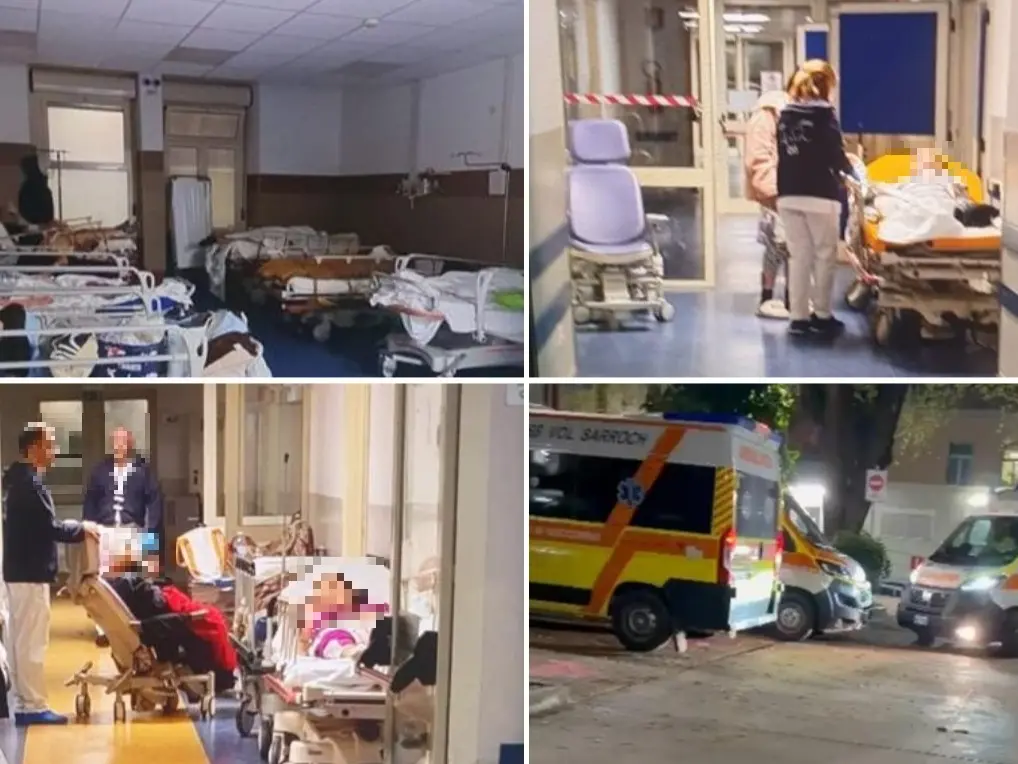
In 2015, the union reconstructs, "the transfer of the Microcitemico and Oncology wards to the Brotzu Hospital led to the weakening and impoverishment of two hospitals of excellence. In 2016, eight health authorities were reduced to a single ATS; in 2022, yet another reform fragmented the system again into eight Local Health Authorities (ASL), joined by Ares, Areus, the Cagliari and Sassari AOUs, and Brotzu. Added to this were further transfers of hospitals from one hospital to another—such as the Marino di Alghero and the Microcitemico—which, within a few years, were moved and then relocated again, generating organizational chaos and disorientation among healthcare professionals and citizens."
It's unacceptable, according to hospital doctors, "that for years public healthcare has been bent to the demands of political consensus, through widespread administrations that undermine expertise, professionalism, and management continuity. Regional policy must take responsibility for at least twenty years of planning instability."
A healthcare system cannot be governed with electoral goals in mind, it's a firm belief, because "healthcare planning requires a long timeframe, expertise, and continuity. Any hasty reform cripples the organizational machinery, reduces productivity, slows the delivery of services, and compromises the right to care."
The call is for the adoption of "courageous and responsible policies." We must "select managers based on their skills, valorize those who know the territories and contracts, and finally put citizens and healthcare professionals at the center, not the balance of power. We remember that planning must begin with a careful analysis of needs, by listening to citizens, operators, and union representatives."
(Unioneonline/E.Fr.)