

Brotzu Hospital has renewed its Obi and apheresis service: "This is how we're trying to improve care."
The emergency department's new short-term intensive observation area has been inaugurated. Manager Marcias: "This initiative will better manage hospitalizations and reduce wait times."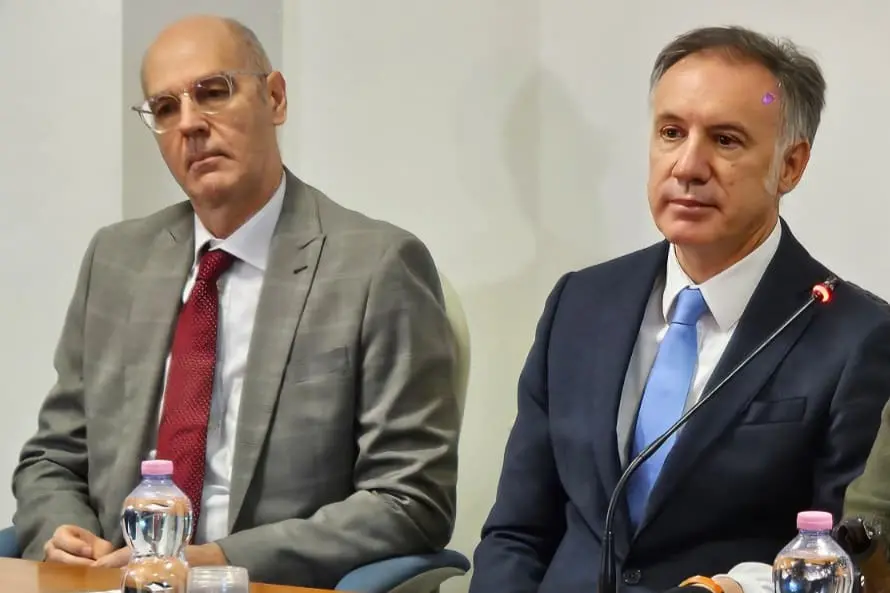
Per restare aggiornato entra nel nostro canale Whatsapp
Brotzu has a new OBI (Brief Intensive Observation Emergency Department) department and a new Apheresis service.
"We are concretely strengthening the emergency network, reducing hospitalization wait times and, therefore, reducing pressure on departments. Furthermore, with the Apheresis service, we are investing in modern logistics facilities to expand the use of the most innovative therapies to an ever-increasing number of young Sardinians," said Alessandra Todde, Councilor for Health. She added: "This is a significant achievement that combines organizational appropriateness, clinical quality, and the right to care. We are getting closer to a goal that was unthinkable until recently: to prevent young thalassemia patients from requiring periodic transfusions."

"The Obi represents a strategic step in the reorganization of emergency care pathways," added Arnas General Manager Maurizio Marcias. "It allows for more efficient management of hospitalization wait times, reduces pressure on inpatient wards, and increases clinical safety, thanks to structured, multidisciplinary monitoring. At the same time, the expansion of the Apheresis Service consolidates the hospital's role in highly complex therapies, from therapeutic plasmapheresis to stem cell collection for CAT-T and gene therapy. These targeted investments further enhance our healthcare offering, reduce healthcare mobility, and strengthen the regional system's ability to provide highly specialized services to Sardinian citizens."

The projects, which began in December 2024, involved a total investment of approximately one million euros and strengthen the healthcare offerings of the main regional hospital.
The new Obi (Short Intensive Observation) unit, located within the Emergency Department directed by Fabrizio Polo, currently has six beds, with further expansion planned in the coming months. The facility allows patients to undergo a period of monitored clinical observation, preventing inappropriate hospitalizations.

This allows for monitoring the patient's clinical progress without involving the inpatient wards or the emergency department. The revamped Apheresis service, part of the Center for Immunohematology and Transfusion directed by Giulia Fadda, has been updated to meet the most advanced healthcare standards and strengthens a strategic regional activity.
The service is especially strategic for young Sardinian patients with thalassemia, particularly those up to age 35, and allows for increased therapeutic activity while avoiding medical travel. Two young patients have already undergone stem cell collection for gene therapy, one from Ozieri and one from Carbonia. Further treatments are already scheduled.
(Unioneonline)