

Castiadas celebrates 40 years of autonomy: a historic milestone remembered.
A passage that profoundly marked the destiny of the territory and the community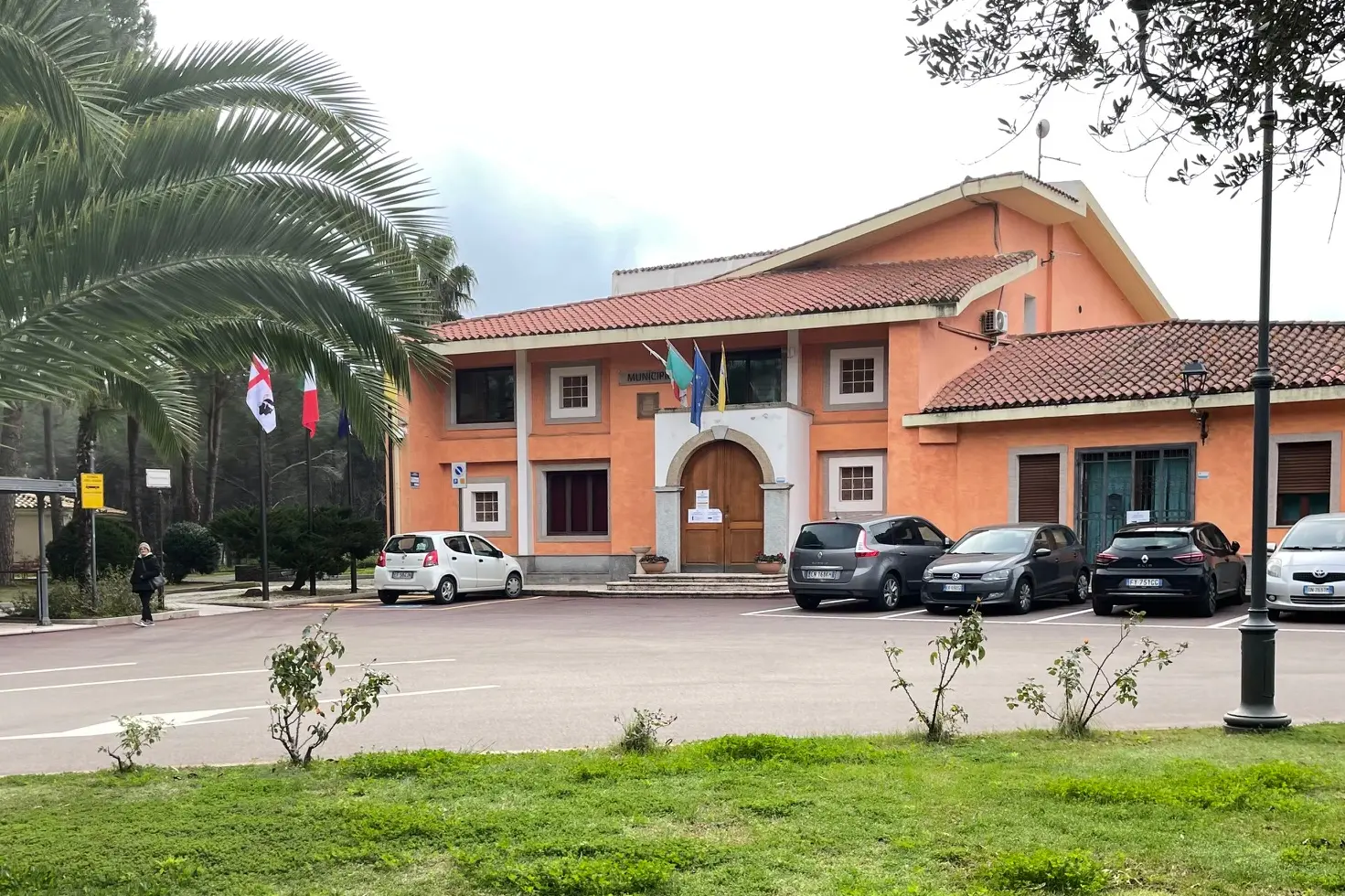
Per restare aggiornato entra nel nostro canale Whatsapp
The Castiadas City Council celebrated the fortieth anniversary of the establishment of the autonomous municipality, a historic milestone that profoundly impacted the destiny of the area and the community. "It is therefore a precious moment," said current mayor Eugenio Murgioni, "to remember the progress made, pay tribute to those who made it possible, and, at the same time, look to the future with confidence. Forty years ago, Castiadas officially became an autonomous municipality, a milestone that allowed our community to take direct responsibility for its own decisions and development. To fully understand the significance of this anniversary, it is necessary to remember the context in which the request for autonomy was formulated."
The origins of Castiadas date back to 1875, when the agricultural penal colony was established . That year, the first criminals arrived from Cagliari's San Bartolomeo prison. The inmates were employed in land reclamation and cultivation of the land, then largely uncultivated and unhealthy. Their labor began the transformation of the area. The penal colony remained active until 1950; subsequently, with the launch of the agrarian reform in the 1960s, these lands were transformed into farms and assigned to numerous families who, with sacrifice, hard work, and determination, made them productive, giving rise to the farming community that gave rise to the present-day Castiadas.
"The hamlets and scattered houses spread across a vast territory," Murgioni said, "represented dynamic and hard-working communities, but often distant from decision-making centers and main services. From this reality, the realization gradually grew that Castiadas had reached a social and economic maturity that could aspire to its own administrative autonomy." This aspiration found guidance and a point of reference in the Committee for the Autonomy of Castiadas, led by accountant Antonio Pirroni and composed of Antonio Contu, Carmelio Usai, Sergio Maganuco, Francesco Bonomo, and many other activists. They were joined by the city councilors elected in the affected municipalities: Isidoro Magro, Gigi Serra, Efisio Zedda, and Gianfranco Spanu for the Municipality of Muravera; Mario Codonesu and Antonio Camboni for the Municipality of Villaputzu. "The work carried out by that committee represents one of the most significant pages in our civic history," Murgioni said in the City Council. This was not a one-off initiative, but a long and challenging journey, pursued with great determination. The committee engaged the population, promoted opportunities for discussion, and established an ongoing dialogue with regional institutions and the relevant local governments. Antonio Pirroni successfully interpreted the desires of a community demanding direct governance of its own territory. His actions, along with those of the committee members, were characterized by balance, competence, and a profound sense of institutional responsibility. It is also fitting to recognize the openness and sense of responsibility demonstrated by the municipalities from which Castiadas separated: Muravera, San Vito, and Villaputzu. The administrations at the time, led respectively by mayors Luigi Boi, Giorgio Bucelli, and Giovanni Casula, understood the reasons for this request and approached the transition with institutional spirit and mutual respect. Thanks to this work, in 1986 Castiadas obtained official recognition as an autonomous municipality, thus ushering in a new phase in its history.
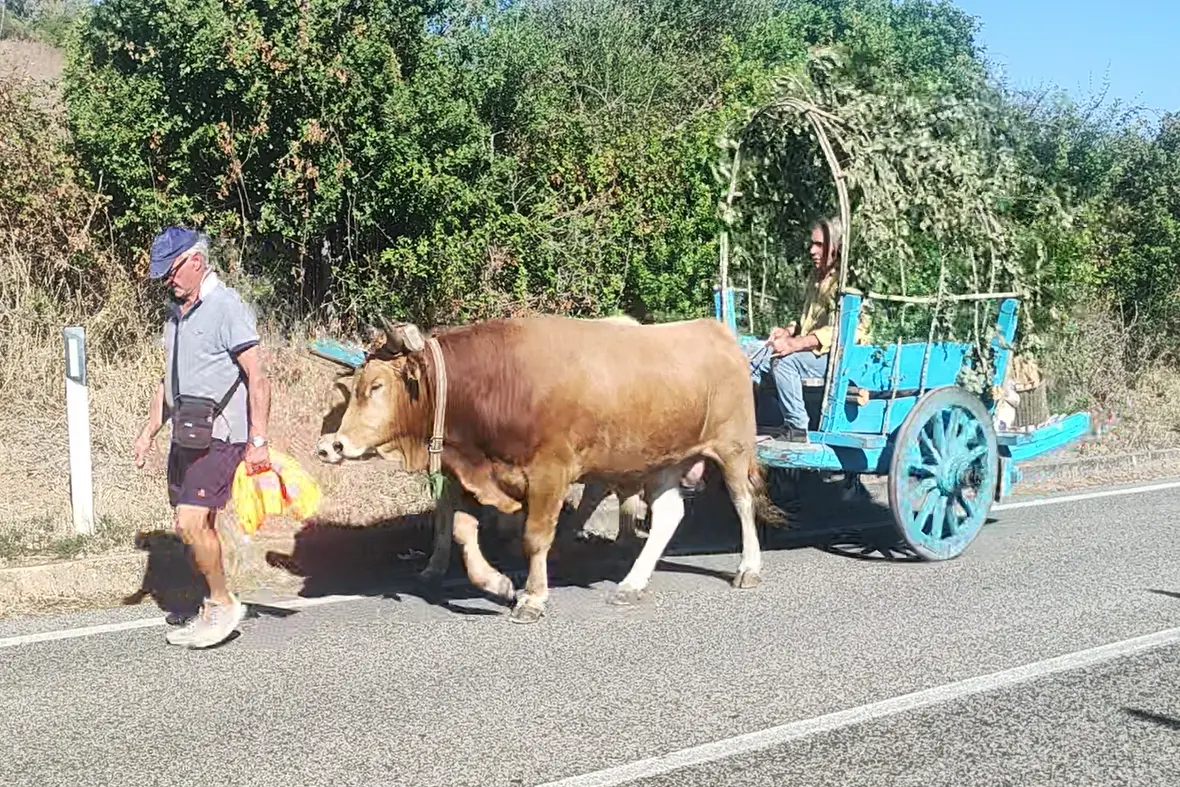
"But autonomy, as often happens, was only the starting point. Building a municipality," Murgioni told the Council, "means creating services, building infrastructure, organizing an administrative structure, and, above all, defining a development vision for the community. Together with successive administrations and thanks to the contributions of many collaborators, we have worked to bring services to the villages, improve roads, strengthen school facilities, and create spaces for sports and community social life. At the same time, we have begun to more consciously enhance the extraordinary resources of our territory. Castiadas," the mayor added, "indeed, possesses a unique environmental heritage, made up of countryside, hills, and one of the most beautiful coastlines in Sardinia. Agriculture is not just an economic activity: it is part of our identity, our history, and the care of the land. In this context, the Cantina di Castiadas deserves special mention, which today represents the only processing industry in the Sarrabus-Gerrei area and in southeastern Sardinia." I want to remember the presidents who have managed the winery with careful management over the years: Efisio Mura, Luigi Podda, Michele Internicola, and now Mario Sestu. And then there's the tourism development fostered by the extraordinary beauty of the area, one of the most important attractions in southeastern Sardinia.




: "The documents that led to the transfer were denied."")