

Cagliari, a graduate thesis denounces online hate: "How Vannacci's posts fuel the hate speech machine."
The author, Simone Cherchi, explains that it has always existed, but that now it is somehow strengthened and amplified by the internet and social media.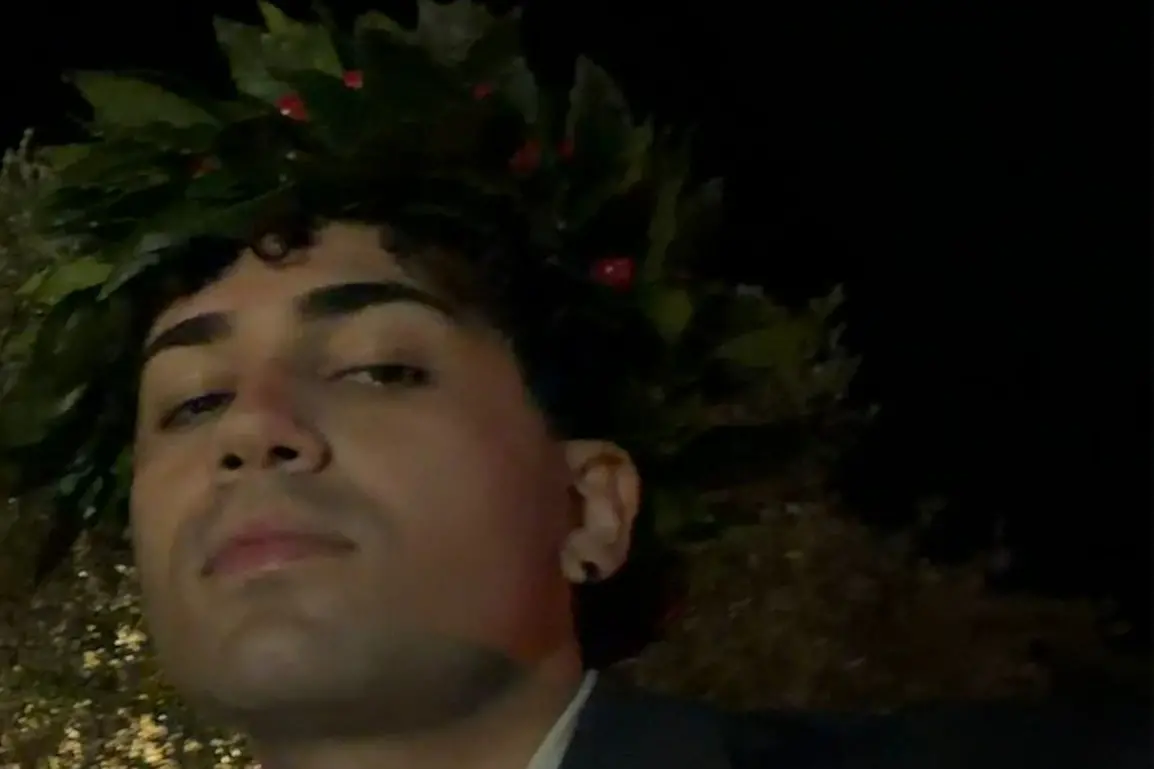
Per restare aggiornato entra nel nostro canale Whatsapp
A thesis on hate speech at the University of Cagliari. Among the case studies presented by the student are three posts by Roberto Vannacci, general and politician, deputy federal secretary of the League for Salvini's premiership from 2025, and member of the European Parliament.
Thesis author Simone Cherchi, Faculty of Humanities, Degree Program in Languages and Communication, supervised by Massimo Arcangeli, focuses at the beginning of his thesis on the definition of hate speech. Translated into Italian, it means hate speech or incitement to hatred. The student explains that it has always existed, but is now somehow reinforced and amplified by the internet and social media.
The author distinguishes between direct and implicit or subtle hate speech. According to Cherchi, the first example cited in the thesis falls into the latter category. Vannacci shares the news of Carola Rackete's resignation from the European Parliament. Rackete, the activist who, in command of the Sea-Watch 3 rescue ship, decided to blockade the port of Lampedusa in June 2019 to bring 42 migrants ashore, said: "We won't miss you. Now let's hope that Ilaria Salis and Mimmo Lucano will follow suit." So far, everything's fair game, explains the author. There's one problem, however: the photos: "We're faced with a case of subtle hate speech. To bypass Meta's algorithms, the politician avoids direct humiliation by using photos of Carola, highlighting her hair with a close-up of her legs. This detail isn't necessary given the seemingly innocent intent of the post, but it helps us reveal Vannacci's true intentions. His constituents, in fact, are responding severely to the post with direct hateful comments."
And now we move on to the hate speech of the keyboard warriors: in the comments, a long series of insults against the activist. "We can therefore distinguish," the graduate student concludes, "two forms of hate speech and identify them. Vannacci's post: subtle hate speech, a discourse that presents itself as reasonable and respectable, but which actually normalizes discrimination. And then the comments on the post: explicit hate speech, expressed directly and with unequivocal hostility."
The student then analyzes two more cases. Vannacci also wrote these posts about Laura Boldrini, a Democratic Party MP, and about an LGBTQ+ demonstration. The teacher is satisfied: "Simone Cherchi," Arcangeli explains, "did what each of us should do: denounce hate speech online, which has reached unprecedented levels, in ways, forms, and with the means, no matter how small or large, available to everyone. Simone did so courageously, identifying the root of the evil: the reckless use of social media by those, whether public figures or institutional representatives, who constantly feed their followers the latest victim. If a former general now a member of the European Parliament, in a Facebook post, goes so far as to attack a young Senegalese student, recently appointed vice president of the Tuscany Region, claiming she obtained the position thanks to her 'black skin,' then we shouldn't be surprised if that MEP's followers react with such comments."
(Unioneonline)