

Cagliari, fighting gender violence: a plan for sex education in schools and neighborhoods.
The project signed by 21 councilors of the majority to bring emotional and relational paths into classrooms and meeting places arrives in the city council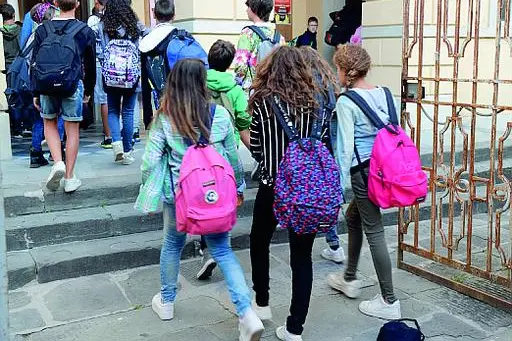
Per restare aggiornato entra nel nostro canale Whatsapp
Bringing relational, emotional, and sexual education to the center of Cagliari's educational and social policies. This is the goal of the motion presented on October 22nd to the City Council and signed by 21 majority councilors (first signatory Paola Mura, Progressives, president of the Public Education Commission), who ask the mayor and the city council to promote a structured program of interventions aimed primarily at younger generations.
The proposal is based on a specific principle: " Building relationships based on mutual respect, equality, personal freedom, awareness of one's own boundaries, and consent " is fundamental to the growth and well-being of children, teenagers, and adolescents.
The initiative aims to move beyond a concept of sexuality education limited to biological information alone, also addressing issues such as managing emotions, consent, bodily autonomy, gender equality, respect for differences, the prevention of sexually transmitted infections, and the recognition of situations of abuse and violence .
One of the most important points of the motion concerns the relationship between affective and sexual education and schools. The councilors call for the promotion of educational programs in schools, but specify that these interventions must be implemented " in compliance with their autonomy and current legislation ." The document cites the law of June 9, 2026, which came into force on July 7, which introduced new provisions regarding informed consent in schools. Specifically, the law excludes educational activities with topics related to sexuality from preschool and primary schools. For minors in secondary schools, however, prior informed consent from parents is required for participation in extracurricular activities or activities that broaden the curriculum that address these topics.
It is precisely in light of these provisions that the motion emphasizes the need to also enhance the scope for intervention that remains within the purview of local authorities. The Municipality, in fact, can promote educational, social, and prevention initiatives through its own services and extracurricular activities, without replacing the autonomy of schools or derogating from national constraints. These activities, the councilors explain, will be strengthened to reach a greater number of young people. " The motion intends to commit the municipal administration to spreading a culture of respect, self-awareness, and healthy relationships, including the spheres of affectivity and sexuality ," states Mura. "It aims to do so through the promotion of educational interventions and projects to be implemented both in schools and in extracurricular educational and social settings, obviously in compliance with the law: we certainly do not intend to circumvent the law; laws are respected, and if anything, their aspects and nature are contested (it is no coincidence that a referendum proposal is underway), but in the meantime, as long as they are in force, their respect is sacrosanct. Promoting sexual and emotional education initiatives,” he concludes, “means helping to spread this culture, in the hope that as many people as possible can be made aware.”
The proposal therefore aims to extend interventions beyond schools . The councilors ask for initiatives to be promoted in youth centers, libraries, youth information centers, social services, sports and cultural associations, and through street education. The goal is to also reach those boys and girls who, due to family or social circumstances, risk being excluded from information and training programs .
The data cited in the motion also supports the proposal. According to the ISTAT survey cited by the promoters, approximately 6.4 million women in Italy, equal to 31.9% of the female population between 16 and 75, have experienced at least one form of physical or sexual violence in their lifetime . Save the Children 's data on adolescent relationships, published in February 2026, is also worrying: one in four boys and girls report having experienced violent behavior from their partner, 36% report having received abusive language, and 28% have been pressured to send intimate photographs or videos. 29% also report having felt forced at least once to perform unwanted sexual acts. These figures, according to the councilors who proposed the motion, confirm the need to invest in prevention , combining repressive measures with ongoing educational efforts.
To implement the interventions, the motion proposes the involvement of qualified professionals , including psychologists, pedagogists, educators, pediatricians, gynecologists, midwives, and sexologists. Collaboration is also envisaged with family counseling centers, health services, anti-violence centers, associations committed to protecting the rights of LGBTQIA+ people and people with disabilities, as well as the University of Cagliari. Particular attention is paid to the quality of the individuals involved: the proposal calls for transparent criteria for their identification, based on proven skills and experience, adherence to scientific evidence, and the absence of conflicts of interest.
In the final resolution, the councilors ask the administration to translate the proposal into concrete measures: the motion concludes with a further call to support initiatives to ensure that younger generations receive education on relationships, affection, consent, and sexuality that is " based on scientific evidence, age-appropriate, respectful of fundamental rights, and aimed at preventing violence and discrimination ." The document now awaits approval from the city council.




 issues a formal notice to the municipality: "Remove Carpobrotus from the waterfront."")

 says: "Retirees outnumber doctors still working."")
