

Gesico and the school that doesn't exist: when being born in the village already means leaving
Already from the age of three, to attend nursery school one has to reach Mandas, and in the rest of Trexenta the situation is certainly not without difficulties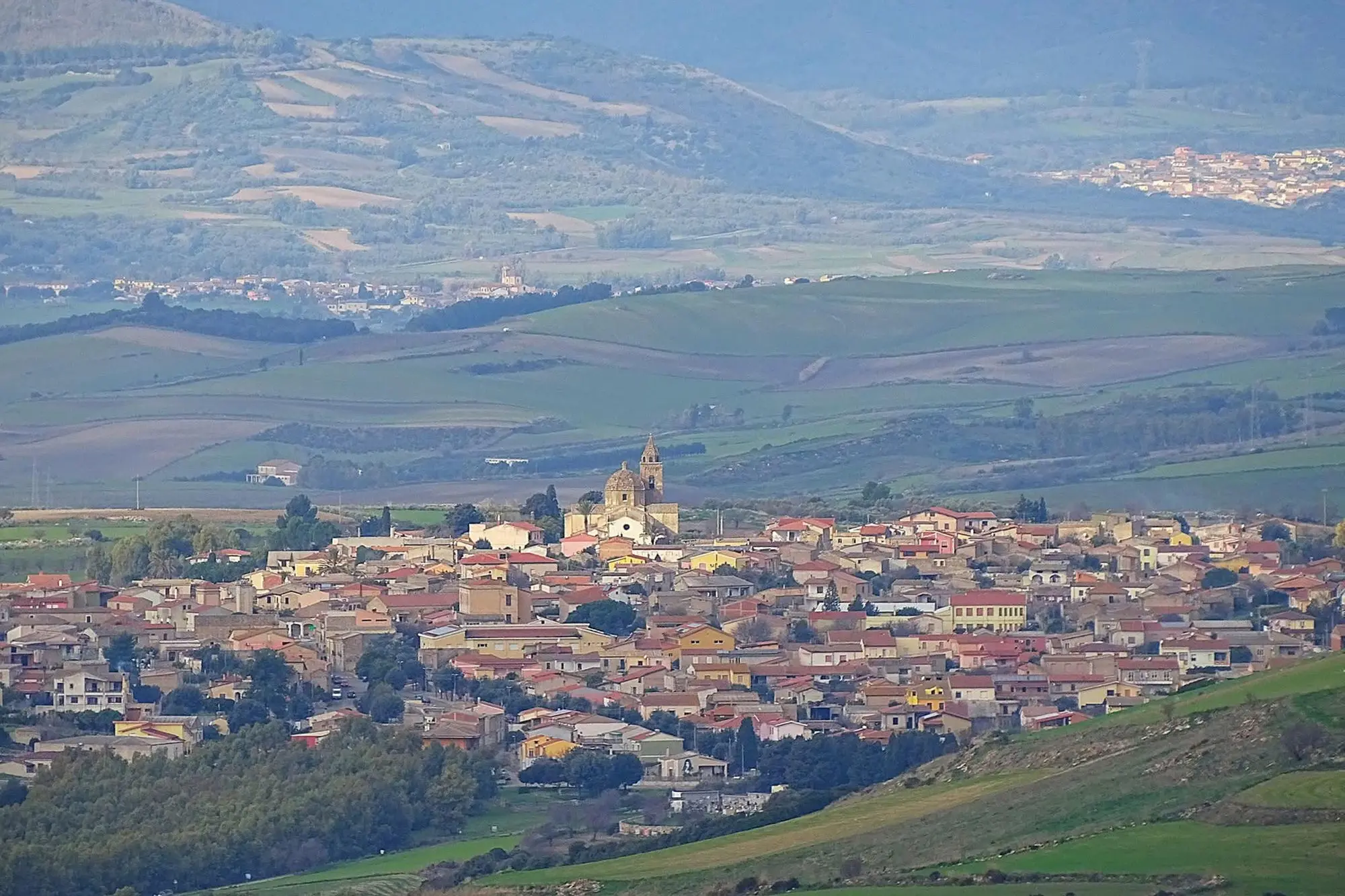
Per restare aggiornato entra nel nostro canale Whatsapp
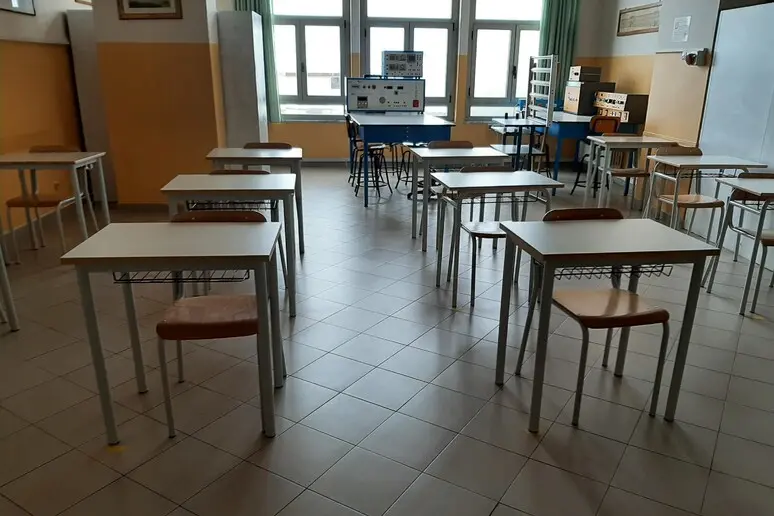
In Gesico, the original sin is committed at age three: being born in the village means already being a commuter. There is no preschool, nor a classroom where one can begin one's education. To attend kindergarten, one must travel to Mandas by school bus (at least this service is guaranteed, at least until some algorithm in charge of calculating costs decides that maintaining it for so few children is uneconomical). A journey that, for the children of one of the most vulnerable towns in Trexenta, comes before they even learn to read and write. It is the most fragile face of a region where depopulation is not just a question of numbers, but a concrete threat to the survival of services. Gesico , with fewer than 700 inhabitants and an increasingly aging population, is paying the price of a demographic decline that inevitably also affects the school system.
In the rest of Trexenta, the situation is certainly not without challenges. The school system survives thanks to a network of branches spread across the various towns, but every new school year brings the issue of enrollment to the forefront. Class sizes are shrinking, multi-grade classes are becoming a necessity, and the risk of closure lingers in the background. The Gaetano Cima Comprehensive Institute of Guasila encompasses six municipalities—Guasila, Guamaggiore, Ortacesus, Pimentel, Samatzai, and Selegas—and manages 14 school complexes, some as far as 15 kilometers apart. This complex network is essential for keeping the school close to the communities, but complex to organize in an area marked by a declining birth rate. The municipal administration recently inaugurated a state-of-the-art school complex.
Senorbì, the largest town in terms of population (nearly 5,000) and services, maintains a central role in the area's educational offerings. Its comprehensive school, which also includes Suelli, Barrali, and San Basilio, has twelve buildings and approximately 718 students, according to the 2024-2025 curriculum plan.
In short, the school continues to hold the villages of Trexenta together. But its resilience has a limit: without new families and children, the network risks becoming increasingly difficult to sustain.