Cabras, archaeologists arriving in Tharros
The research will be conducted by the University of Bologna. The project was authorized by the City Council.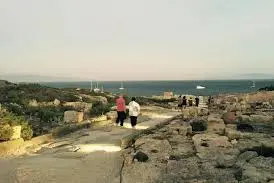
Per restare aggiornato entra nel nostro canale Whatsapp
Excavations continue, searching for new treasures to tell the story of the Sinis. The archaeological excavation campaign at the Tharros site will continue into 2026. The research will be conducted by the University of Bologna, Department of Cultural Heritage, and coordinated by Professor Anna Chiara Fariselli.
The project was authorized a few days ago by the Cabras City Council, which unanimously approved it at its last meeting. The proposed authorization affects the Sa Codriola isthmus and an area of Capo San Marco, both of which are particularly significant archaeologically. Two years ago, an ancient kiln of significant historical value was discovered in the isthmus area.
The area of the Cardo Maximus, however, has yielded traces of a large public building from the Late Antiquity period, built on the remains of a previous Punic temple of even larger dimensions.
During the Council meeting, Deputy Mayor Alessandra Pinna explained that the reason why a City Council resolution was necessary to authorize the University of Bologna's excavations is that the areas where the excavations will be conducted are subject to civic use. She also clarified that, under current legislation, all artifacts uncovered during the excavations are the property of the State, while the University retains ownership of the finds.
Cabras Mayor Andrea Abis reiterated the importance of the decades-long archaeological research conducted by the University of Bologna in the Cabras area: "Excavations in recent years have focused primarily on the Isthmus 3 area, where artisanal Tharros production was established, with products that were marketed throughout the Mediterranean region. As Professor Fariselli reported, the kilns discovered on the Isthmus are the best preserved in the Mediterranean basin."