

Full reservoirs in Sardinia, Confagricoltura: "Less waste and a network between dams for better water management."
President Taras: "Enough delays, we must immediately improve the efficiency of the pipelines where 50 percent of water is currently lost."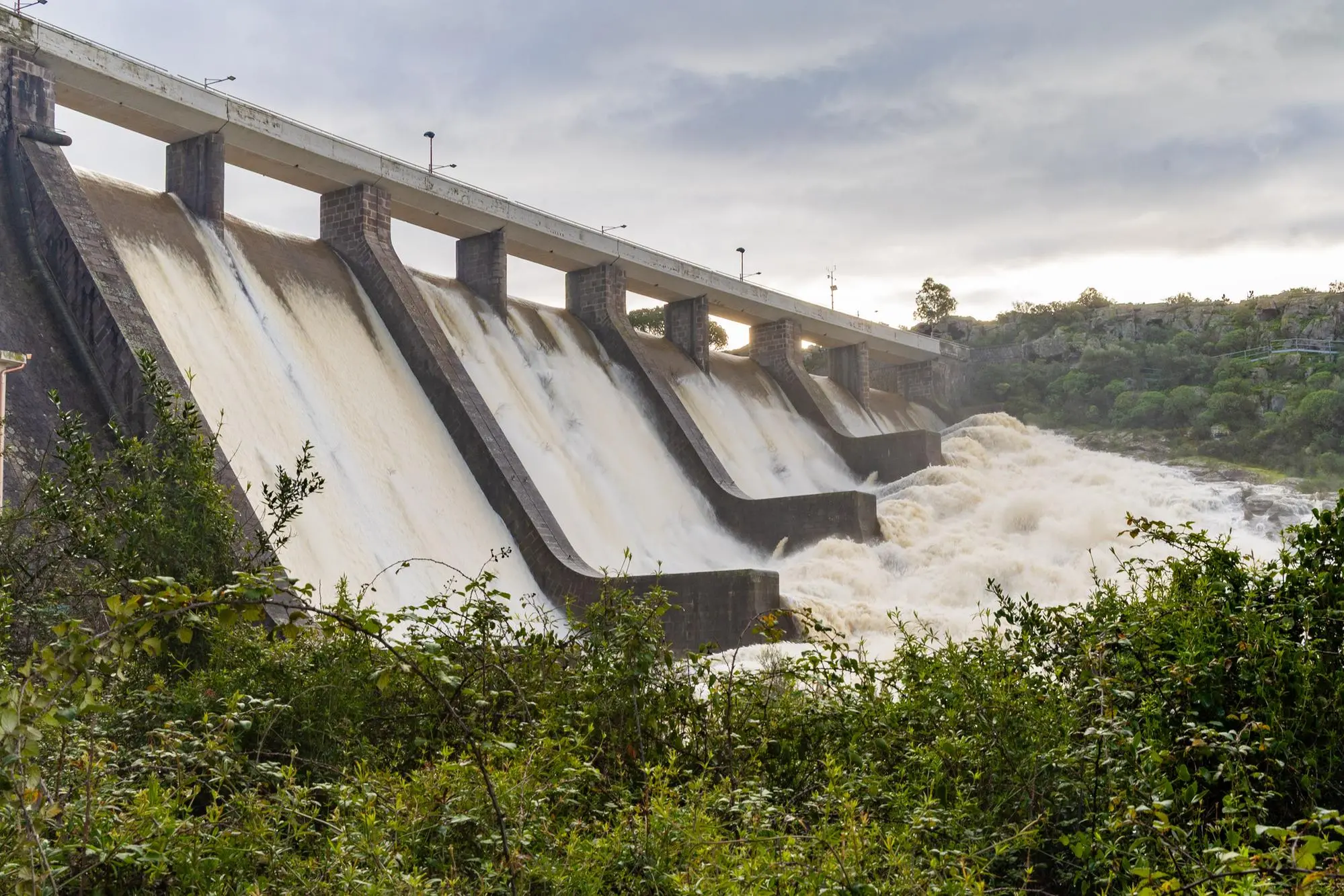
Per restare aggiornato entra nel nostro canale Whatsapp
After months of emergency and parched fields, Sardinia has put the water crisis behind it and is once again looking with confidence at its reservoirs: many of the island's basins have reached 100% capacity. This is a significant achievement, but it shouldn't be mistaken for a definitive end. "This is only the first step toward truly efficient management of water resources, not only in agriculture but also in civil and industrial sectors," warns Stefano Taras, president of Confagricoltura Sardegna. The goal, he emphasizes, must be structural: "We can no longer postpone improving the efficiency of pipelines, where over 50% of water is currently lost, nor the interconnection of reservoirs."
The connection between the basins represents a strategic junction: in times of emergency, it would allow resources to be transferred from areas with greater availability to those affected by shortages, ensuring continuity of production activities and essential services. The comments come in the margins of a commentary on a post by the regional councilor for Public Works, Antonio Piu, who emphasized the need to initiate a comprehensive program for the reorganization of water management in Sardinia. This challenge, now that the emergency is over, requires vision, investment, and a clear timeline.
"We agree with Councilor Piu," Taras continued, "to whom we express our full availability for a rapid launch of a technical discussion, including with the contribution of agricultural organizations, to begin work on improving the efficiency of water distribution and use on our island. This is especially important today, not limited by the emergency, given that most of Sardinia's dams have reached levels not seen in several years. The rainfall in recent weeks has been abundant, causing significant damage to agricultural production, and has allowed us to store significant reserves in basins and underground for aquifers, which have been suffering worryingly for several seasons. Now is the time to start planning the entire sector intelligently, because the real problem isn't the number of dams in Sardinia—our region ranks third in Italy after Lombardy and Piedmont—but how we are able to manage the resource. "Reducing losses from over 50% to below 25% and connecting reservoirs into an efficient network that covers the region's macro-areas must be the goals that politicians and we, as stakeholders, must set ourselves for the short and medium term in the interests of the agricultural world and our communities," concluded Stefano Taras.
(Unioneonline)