

The speed camera decree is here, here's what it includes: an end to the chaos surrounding fines.
After the controversy and court rulings in favor of motorists, Salvini has now signed the rules for the approval of the vehicle.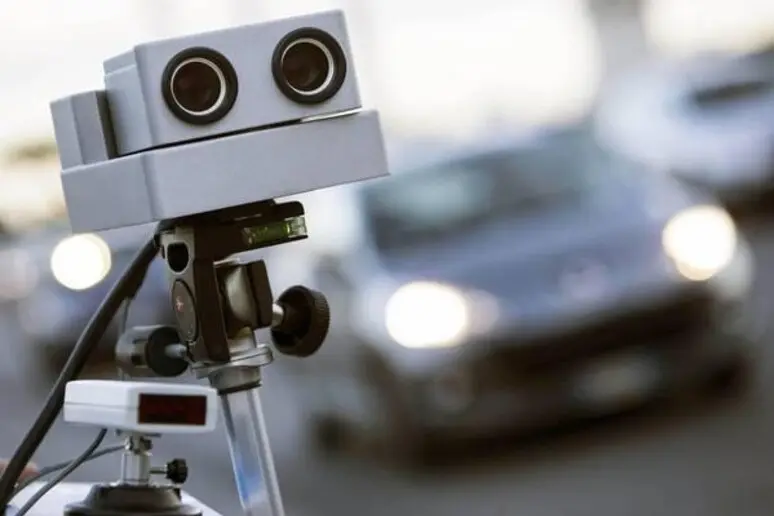
Per restare aggiornato entra nel nostro canale Whatsapp
The long-awaited regulations for speed camera approval have arrived. Transport Minister Matteo Salvini has signed the ministerial decree defining the procedures for approval, testing, and initial and periodic calibration of the devices. This is a necessary step to ensure clear and consistent rules throughout the country, capable of overcoming the critical application issues that have emerged over time and guaranteeing "the legal and administrative soundness of the assessments."
The decree thus puts an end to a long period of confusion and controversy over different devices used on different roads. To the point that several court rulings have questioned the validity of fines issued by devices lacking ministerial approval . In particular, a series of judicial decisions have highlighted the difference between the simple technical approval process and the actual approval required by law, paving the way for thousands of appeals by motorists. While local authorities have continued to use the devices, many citizens have challenged their legitimacy, arguing that some devices do not comply with the legal requirements.
Hence the "satisfaction" expressed personally by Salvini himself, ready to assert the "primary objective" of ensuring maximum road safety "without, however, turning controls into a pretext for raising money at the expense of citizens."
Despite the delays, Codacons also applauds the move, echoing Assoutenti. "Municipalities," the association explains, "will no longer have any excuses, and if they wish to continue using speed cameras on their territory, they will have to comply with the new approval criteria set out in the Ministry of Transport's decree."
Assoutenti recalls that "to date, 71% of speed cameras installed in Italy are illegal in terms of type approval" and now these devices "will be able to follow the procedure established by the decree and return to fully legal operation."
Specifically, for speed cameras approved before 2017, the decree requires mandatory technical testing, calibration, and functionality checks to validate the devices. Local authorities and manufacturers, if they already have the documentation required by the decree, can follow a simplified procedure, sending the additional documents to the Ministry of Transport, which must issue a decision and approve the approval within 60 days.
(Unioneonline/E.Fr.)