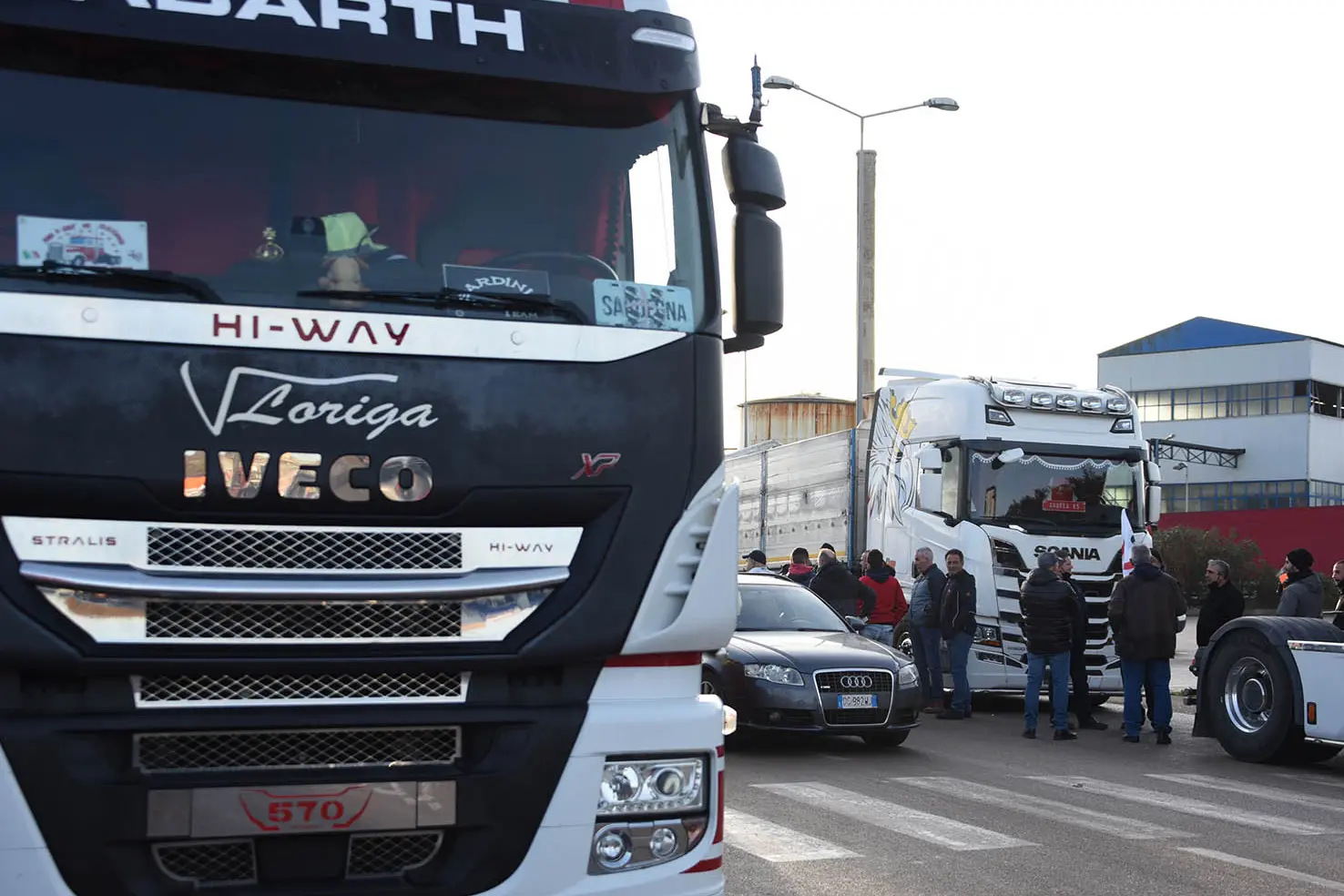


Brindisi Airport runs out of fuel, with six others reporting "limited availability."
Effects of the Hormuz closure: arriving at the Apulian airport requires sufficient kerosene, otherwise the port will not be able to depart. Restrictions are in place in Pescara and Reggio Calabria, in addition to those in Linate, Venice, Treviso, and Bologna.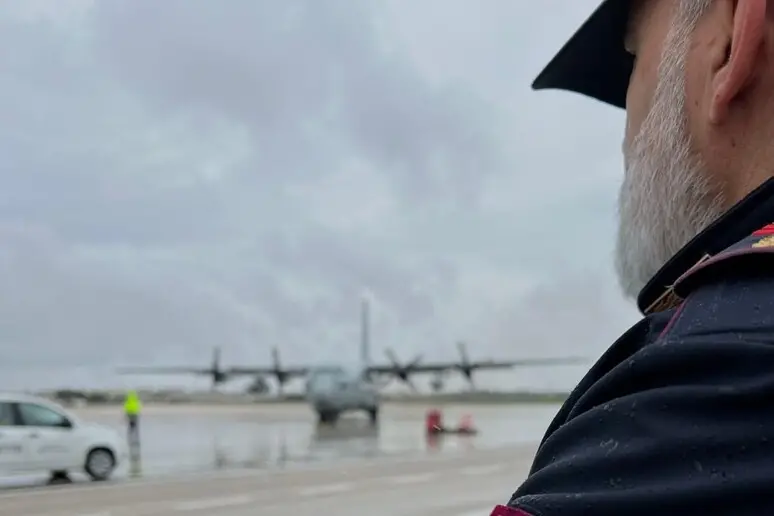
(Handle)
Per restare aggiornato entra nel nostro canale Whatsapp
Brindisi Airport will be without fuel for aircraft until at least noon tomorrow, April 7th . This is according to the new Notams, or aeronautical bulletins, issued in the last few hours.
Fuel is not available at the Apulian airport, the notice states. Airlines are asked "to calculate the amount of fuel required from the preceding airport for subsequent flight segments." Since supplies are "limited," kerosene is only permitted for government, hospital, and search and rescue flights.
Additionally, two other airports report limited fuel supplies and have some restrictions . These are Reggio Calabria , where a maximum fuel quota has been introduced, and Pescara , where only a 20,000-liter tanker is available.
These two airports join those of Milan Linate, Venice, Treviso, and Bologna, where limited fuel availability has been reported in recent days until April 9 and restrictions have been introduced for scheduled flights lasting less than three hours.
These are the first effects on air transport of the closure of the Strait of Hormuz and the resulting fuel shortage. And they could be just a taste of what awaits us in the coming months should a crucial maritime oil hub be closed for a prolonged period.
Ryanair, the airline that accounts for the largest share of passenger traffic in Sardinia, has reported fuel availability until mid/late May . CEO Michael O'Leary said the Irish low-cost airline could be forced to cancel between 5 and 10% of flights in May, June, and July if the Strait remains closed.
Lufthansa also highlighted, albeit in more nuanced tones, medium-term critical issues and problems already occurring at some Asian airports. Similar concerns were expressed by the top management of Air France-KLM and International Airlines Group, which includes British Airways and Iberia.
(Unioneonline)