Wild boar emergency in Sulcis, Coldiretti: "Over 500 hectares of land damaged."
Farmers and ranchers write to the Province of Sulcis Iglesiente: "Make the containment plan fully operational."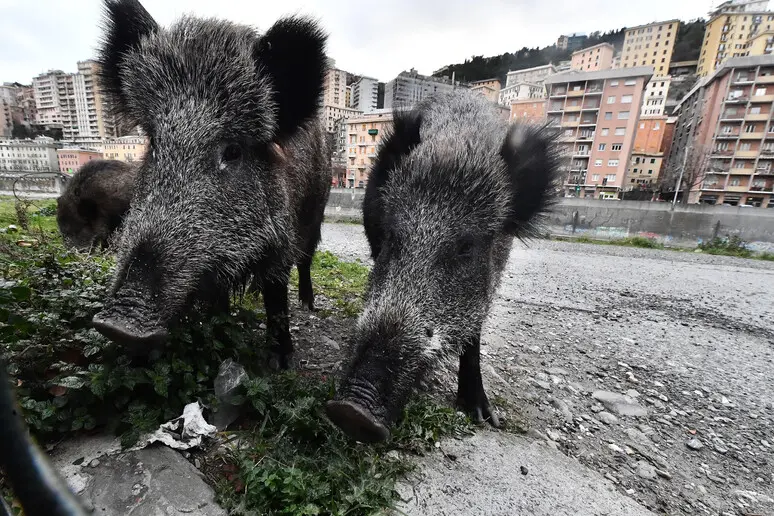
Wild boars (photo Ansa)
Per restare aggiornato entra nel nostro canale Whatsapp
Over five hundred hectares of crops have been affected, including more than 300 hectares of wheat and cereals, and over 200 hectares of wine production. Initial estimates suggest damages already amount to several hundred thousand euros. The Sulcis region is once again experiencing a serious emergency due to the uncontrolled presence of wild boars, while farms are once again faced with a problem that adds to an already challenging season. Coldiretti Cagliari is raising the alarm and calling on the Province of Sulcis Iglesiente to finally fully implement the containment plan, deploying the assistants who have already completed the training and are ready to begin their work.
"Farmers and livestock producers have made sacrifices and have once again demonstrated their willingness to collaborate to address the problem," emphasized Giorgio Demurtas, president of Coldiretti Cagliari. "Some companies are already paying a very high price. Work in the fields has been severely tested by heat, drought, and water shortages, and today, climate problems are compounded by those caused by wild animals. Seeing crops destroyed by wild boars, after everything these companies have endured, is a damage we can no longer consider normal or inevitable."
The problem, according to Coldiretti Cagliari, is even more difficult to understand given the work done in recent months. The organization has supported businesses and collaborated with local institutions to facilitate the training of emergency responders. The result is that the personnel required to intervene have already been trained and are available. "We have accompanied farmers and ranchers throughout the entire process, offering our support and collaboration," emphasizes Coldiretti Cagliari director Giuseppe Casu . "The emergency responders have completed their training and are ready. It's difficult to explain to businesses why, while the damage continues, those trained to intervene are still not being deployed. Another postponement isn't necessary: we need to make the containment plan operational and deploy the people who have already been trained to do so."
This request comes at a particularly delicate time for local agriculture. Farms are coming off a season marked by high temperatures, drought, and water supply difficulties, compounded by the damage caused by severe weather. In several areas, businesses' economic situation remains severely compromised. "Wildlife is yet another problem adding to an already dire situation," adds Casu. "We're talking about farms that have had to contend with drought, extreme heat, water shortages, and production losses, and now they also have to defend themselves from the damage caused by wild boars. Wildlife management must return to being a matter of territorial balance: environmental balance, protection of agricultural activities, and human safety must go hand in hand."
For Coldiretti Cagliari, the issue isn't just about the fields. The uncontrolled presence of wild fauna also poses a road safety problem, with the risk of accidents caused by animals crossing the road and collisions involving motorists and motorcyclists. Hence the request to the Province to accelerate implementation of the Plan. "We've done everything we can to empower farmers and ranchers to make a concrete contribution to the containment effort," Demurtas concludes. "Now we're asking that this commitment not remain on paper. The companies are paying the price, the support staff are trained and available: it's time to deploy them."
(Unioneonline)