

Sinnai: The minority council presents five amendments to the Tarip regulation.
The proposals also collect the users' requests that emerged during and after the open meeting of the civic assembly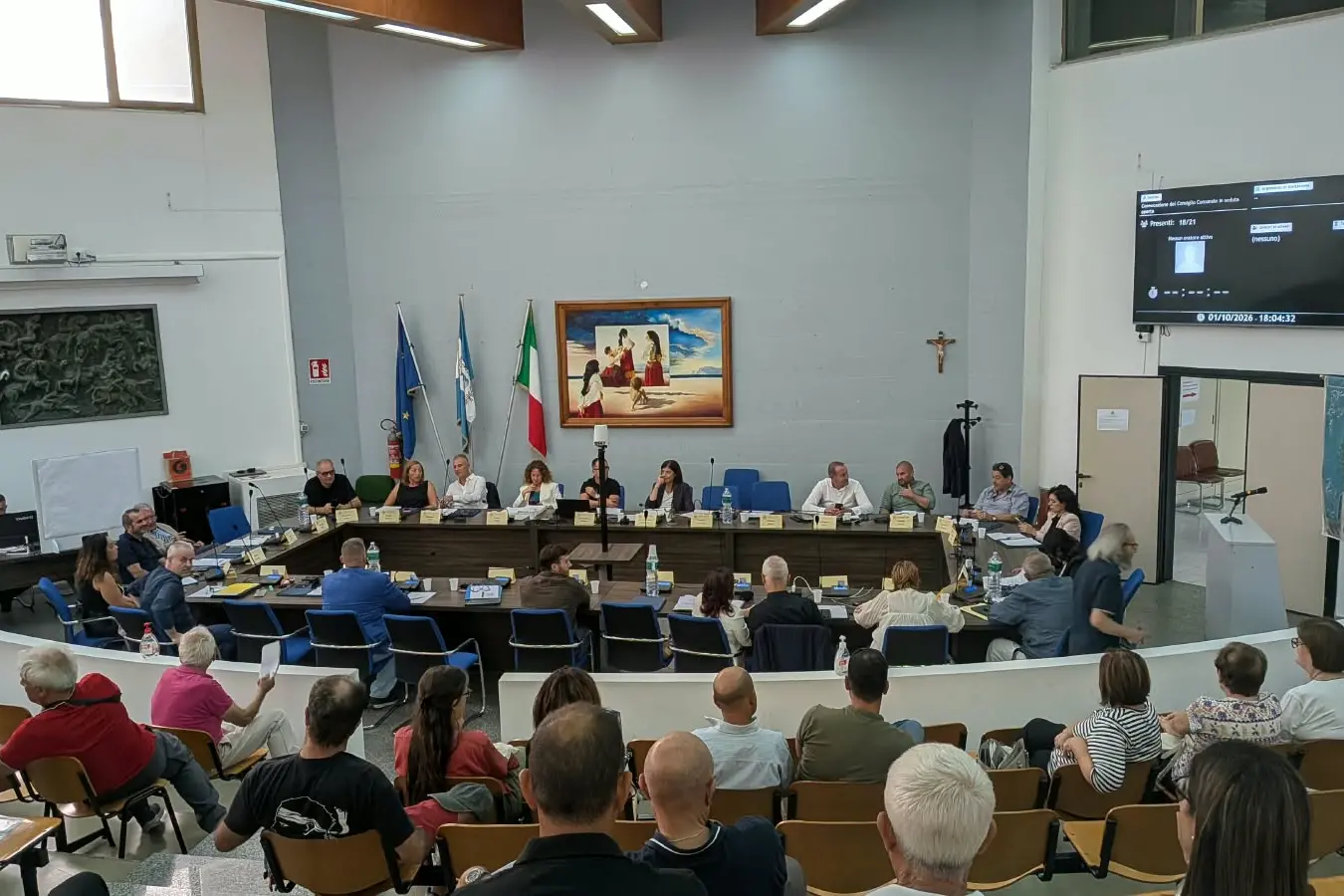
Per restare aggiornato entra nel nostro canale Whatsapp
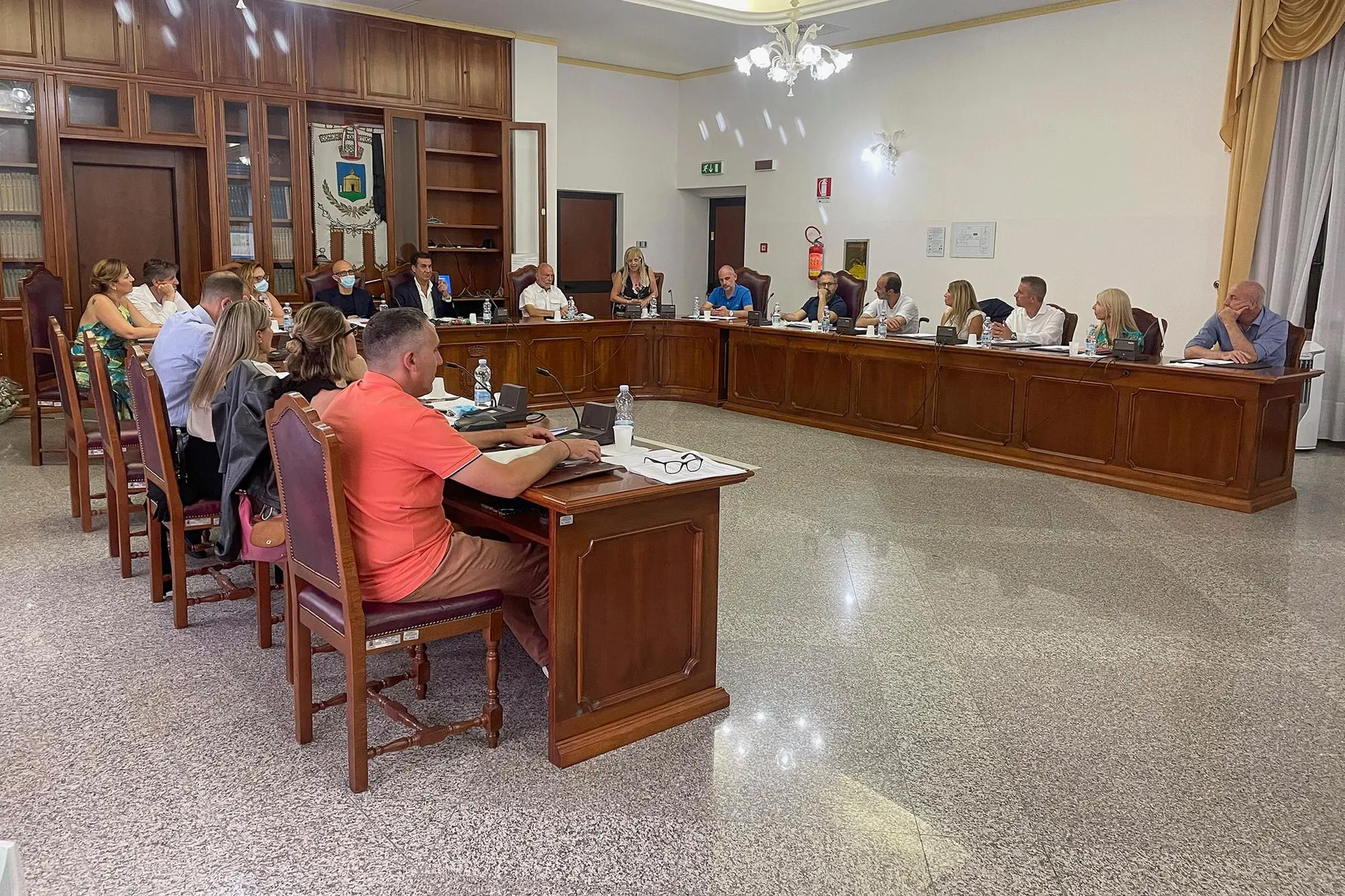
Three weeks after the open City Council meeting on October 1st, convened to gather citizens' concerns about the waste problem, the minority council groups (comprising councilors Aldo Lobina, Roberto Loi, Walter Zucca, Roberta Simoni, Aurora Cappai, Cosimo Lai, and Paride Casula) have formally requested that five urgent amendments to the 2026 Tarip regulation be included on the agenda of the next meeting.
The initiative stems from the municipal administration's alleged inertia: despite a public commitment made during the civic assembly in early October to promptly convene the relevant committees to discuss and address the requests of residents and business owners, nothing has been done. While the majority is distracted by internal discontent, the minority has no time to waste and has submitted five proposed amendments to the Tarip regulations.
The first amendment involves the "calculation of distances for unserved users : replacing the straight-line measurement with the shortest actual pedestrian route (with a threshold of 500 meters from the property's access, including private roads) to recognize the effective right to reductions."
The second instead provides for "protection for unserved villages (e.g., San Gregorio and Monte Cresia): alignment with national legislation with a maximum tariff cap of 40% (60% cut on the fixed fee and exemption from the minimum emptying rates that cannot be used)".
With the third amendment to the Tarip regulation, the minority council is requesting that "seasonal or discontinuous use homes be automatically granted a 20% reduction (on both the fixed and variable portions) by cross-referencing personal and tax data, without burdening citizens with bureaucratic burdens."
The fourth change concerns "transparency and technological neutrality: removing constraints on individual commercial brands in favor of equivalent electronic systems and ensuring that users can verify their waste disposals in real time."
The fifth change concerns the service dedicated to vulnerable groups. "With the introduction of Article 23-bis to ensure home collection on the floor or at the door for people living alone with medical conditions or severe mobility limitations, at no additional cost."
Opposition representatives in the council have spoken out forcefully on the issue. Roberto Loi (Uniti per Sinnai) said: "Several weeks have passed since the last City Council meeting. Nothing has happened in the Commission to discuss changes to the Tarip regulation, as citizens requested. The opposition, however, is moving forward with proposals to benefit residents and businesses." Walter Zucca (Forza Italia) said: "We're pushing for changes to the regulations that will correct what's wrong. This minority is ready to provide answers to the public: we're demonstrating this with our actions."
Aldo Lobina (Sinnai Libera) says that "halfway through the legislature, the plan for the other Sinnai has failed: when the minority convenes council meetings, writes amendments, and makes constant proposals, it means that those in government are not up to the task: it would be better to go back to the polls immediately."
Mayor Barbara Pusceddu addressed the issue.
I would like to clearly reiterate the Administration's position, already expressed at the last open City Council meeting. The council committees represent the natural, thorough, and essential forum for analyzing and examining every administrative and regulatory issue. It is within them that formal dialogue between the majority and opposition forces is built, and it is there that proposals can be technically and politically assessed before being brought to the Council Chamber. As I have already stated publicly, I strongly hope that councilors from all political groups will examine the issues and proposals within the relevant council committees, working to identify, if possible in a shared manner, the changes to be made to the regulations. I therefore renew, the mayor concludes, the invitation to all political forces to value the committees' work and to foster a spirit of collaboration and institutional dialogue.
Raffaele Serreli