

A plan to combat chaos in Sardinia's emergency rooms includes faster discharges and assistance from private centers.
A total emergency has occurred in all hospitals, and Todde has created a task force: obligations also for companies.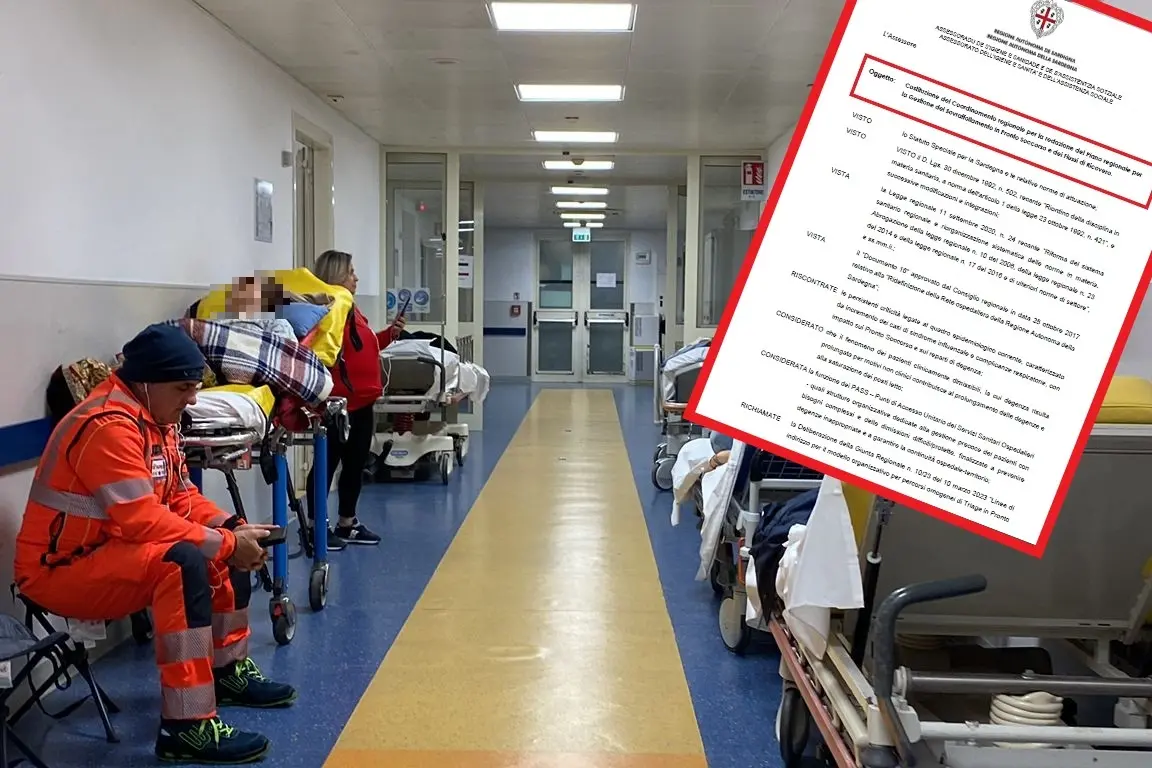
Per restare aggiornato entra nel nostro canale Whatsapp
The Region is seeking to address the chaos in Sardinia's emergency rooms. "Establishment of a regional coordination body to develop a regional plan for managing overcrowding and hospitalization flows" is the subject of the decree signed by Alessandra Todde in her capacity as regional health councilor.
This "urgent" measure aims to identify strategies to address "the persistent critical issues related to the current epidemiological situation, characterized by an increase in cases of influenza and respiratory complications, impacting emergency rooms and hospital wards." The plan therefore needs to be drawn up, but the key players and lines of intervention are already in writing.
The starting point is this: "The phenomenon of clinically dischargeable patients whose hospital stay is prolonged for non-clinical reasons contributes to prolonged hospital stays and bed saturation." Therefore, the more they are sent home, the better.
The task of drawing up the plan is entrusted to the Director General of Health (or his delegate) with coordination functions, to the Director of the Promotion and Governance of Care Networks service and to the directors of the Brotzu emergency rooms, Fabrizio Polo, his colleague from the AOU of Sassari, Paolo Pinna Parpaglia, the manager of Ares and the member of reference for socio-health issues in the territory, Maria Piera Ruggiu.
The establishment of "company crisis units (UCA), coordinated by the health management, with the participation of the bed manager and a small number of professionals representing the emergency room operational units (UO) is envisaged. At the territorial company level, general practitioners and pediatricians are involved."
The coordination will appoint a "company manager for managing the flow of emergency room patients and hospitalizations" in each local health authority. Company procedures must also be adopted for: timely consultations, temporary reinforcement of emergency room staff, and the care and monitoring of patients awaiting admission/transfer. Discharges must be scheduled "by 3:00 PM the previous day (subject to update based on clinical developments)." The decree also provides for the activation in hospitals of "multi-specialty temporary inpatient areas for clinically stable patients awaiting admission/diagnostics/short-term therapy/discharge" and the temporary opening of "up to 10% additional beds for each ward in conditions of overcrowding, in compliance with safety requirements."
Todde also hypothesizes the use of accredited private facilities "for the availability of beds for acute and post-acute care, with the aim of decongesting emergency rooms and wards."
There are also obligations for healthcare companies, which must "prepare a corporate plan for managing overcrowding, according to the template defined in the Regional Plan, to be submitted to the regional coordination body for review." Each local plan must precisely define the number of beds and available staff, along with a summary of the methodology adopted for managing patient flows.
It's all on paper now; we'll have the details for each facility soon. Then we'll have to see how well it works.