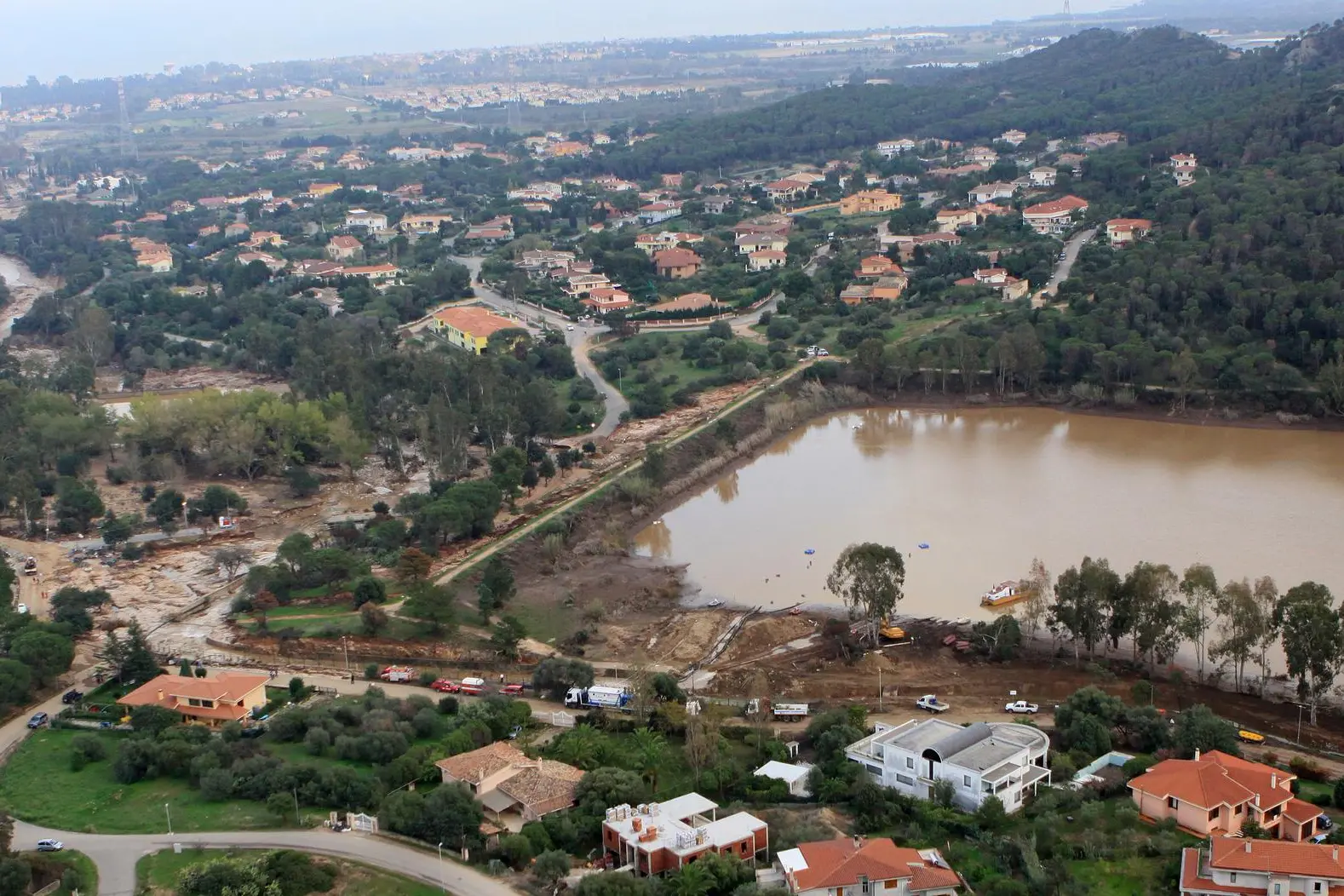
Poetto, Harry brings ashore the remains of a vessel: a French wreck from the failed invasion attempt in 1793?
The material is already being examined by the Superintendency. The hypothesis: a vessel from the fleet that was driven back (also) by a storm that legend attributes to Saint Efisio.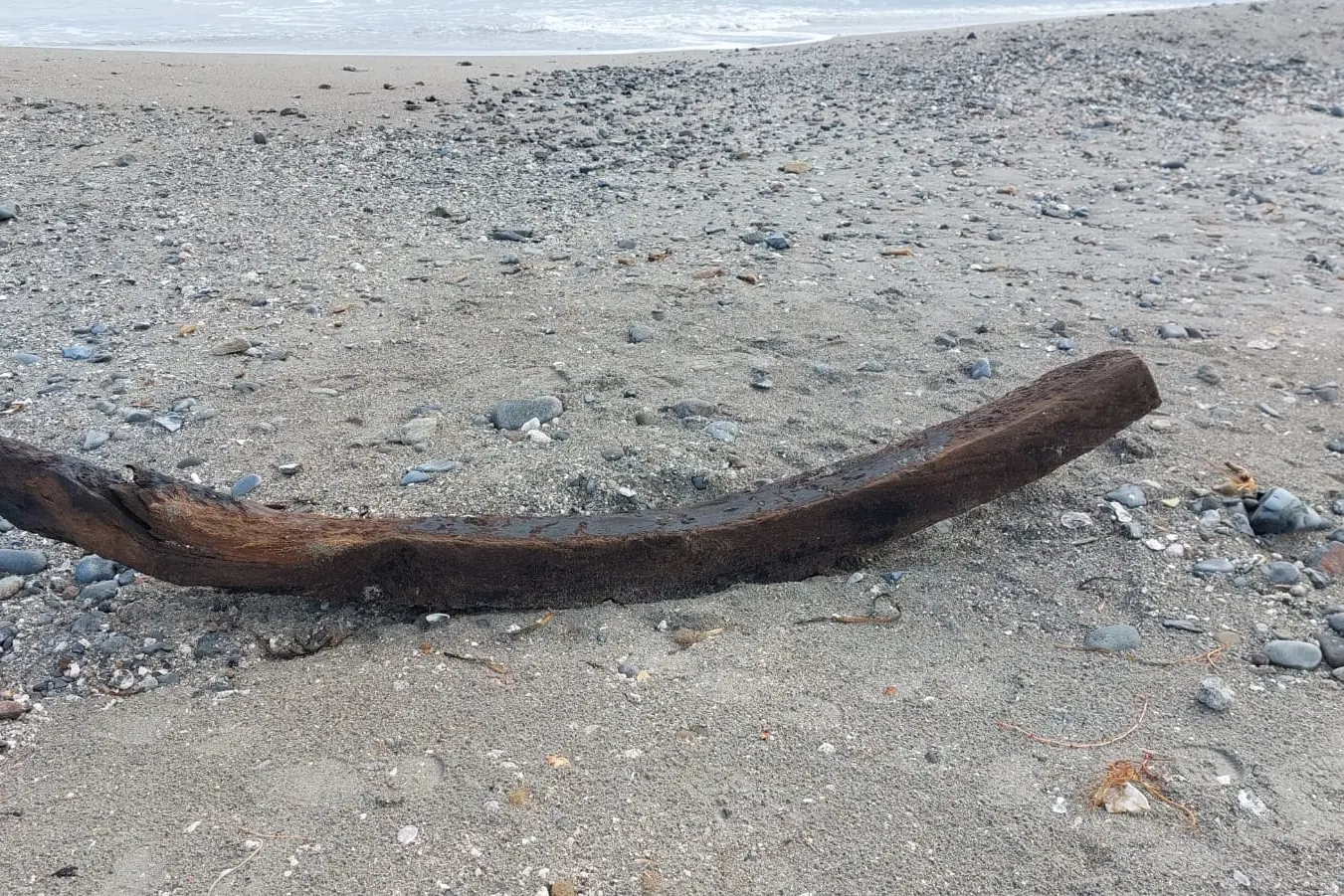
Per restare aggiornato entra nel nostro canale Whatsapp
The remains of a vessel on Poetto beach in Cagliari: the Archaeological Superintendency received numerous reports and experts immediately got to work.
Fragments of the wreckage were carried ashore by the fury of Cyclone Harry's waves.
"With the help of the Carabinieri Protection Unit and the Municipality, we immediately proceeded with the recovery of the wood, now on the beach," the Sardinian offices of the Ministry of Culture reported.
Once all the urgent measures to secure the finds had been initiated, "the analyses identified various elements of the transverse load-bearing structure, such as floor slabs and ribs, as well as other fragments that were more difficult to interpret."

From this initial examination, it emerged that it is a modern vessel and likely of considerable size: "We already knew of the presence, in the waters of Poetto, off the Lido dell'Aeronautica Militare, of two wrecks from the late 18th century, linked to the French expedition of 1793, whose fleet is described to us both in historical sources and on ancient nautical charts," the Superintendency emphasizes.
How did that attack to conquer Sardinia go? Badly, for those who attempted it. History (or legend) has it that Cagliari was also protected by a storm, perhaps a sirocco, which destroyed many French ships. And it was Saint Efisio who triggered it. More than two centuries later, Harry, with the same wind, brings to light the fragments of that defeat, which culminated in the defeat of the invaders after a landing at the Red Margin.
Enrico Fresu