Maduro in chains: "I'm the president, they kidnapped me." His wife was also in court, with bruises on her face.
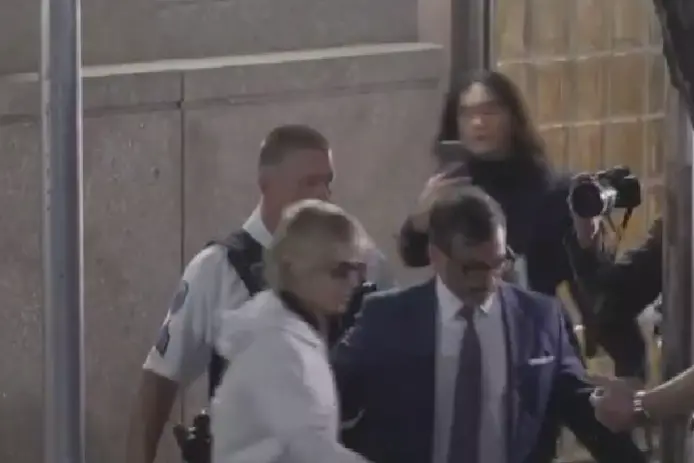
Sitting next to his lawyer Barry Pollack, the lawyer who represented Assange, used an interpreter to address the court."I am the president of Venezuela" and "I am innocent, I am not guilty." While in Caracas, police fire warning shots at drones flying over the area around the presidential palace ("They were unauthorized," an official source told the media) and the city fills with tanks and soldiers, Nicolas Maduro and his wife Cilia appear before the American justice system for the first time. "I was kidnapped from my home in Caracas," he tried to explain to the judge. They brought him to court with his feet shackled and headphones for translation (he doesn't speak English). Wearing a blue short-sleeved shirt over a khaki prison jumpsuit, he spoke in Spanish. During the hearing, he took notes and asked to keep them.
Sitting next to his lawyer Barry Pollack, Juliane Assange's representative, Maduro listened attentively and used an interpreter to address the court . "My job is to ensure a fair trial. And I intend to do that," Judge Alvin Hellerstein began the proceedings before reading a short version of the four charges against Maduro, from narco-terrorism to weapons possession. "This is the first time I've had the indictment in my hand," and "I prefer to read it myself," the former Venezuelan leader replied, declining the judge's offer of a public reading.

In a clear voice, enunciating his words almost defiantly, the former Venezuelan leader pleaded not guilty. Then, sitting with his arms resting on the armrests, he listened to the charges leveled against his wife. "I am the First Lady of Venezuela and I am completely innocent," said Cilia Flores. She appeared more distressed than her husband: she had a Band-Aid on her forehead and bruises near her right eye. When she stood to plead not guilty, she leaned on a federal agent for support. Her lawyer, Mark Donnelly, explained to the judge that his client has health issues that require attention and that she may have a fracture as a result of her capture. Pollack also mentioned medical issues, thus laying the groundwork—according to experts—for a request for her transfer to a less harsh prison than the Metropolitan Correctional Center in Brooklyn, where the couple is currently being held.
In a glimpse of the legal strategy he may pursue, Pollack called Maduro the head of a sovereign state and noted that "there are doubts about the legality of his kidnapping by the military." At the moment, he added, Maduro will not seek bail but may do so in the future. The hearing ended after less than an hour, with the judge scheduling the next hearing for March 17. Leaving the courtroom, Maduro referred to himself in Spanish as a "prisoner of war." Among those present, some shouted at him that he would pay for his crimes. The Venezuelan leader looked at him and replied that he is the president of his country and that he will regain his freedom. A massive contingent of law enforcement officers awaited him outside the courthouse to take him back behind bars, along with around a hundred protesters demanding his release.

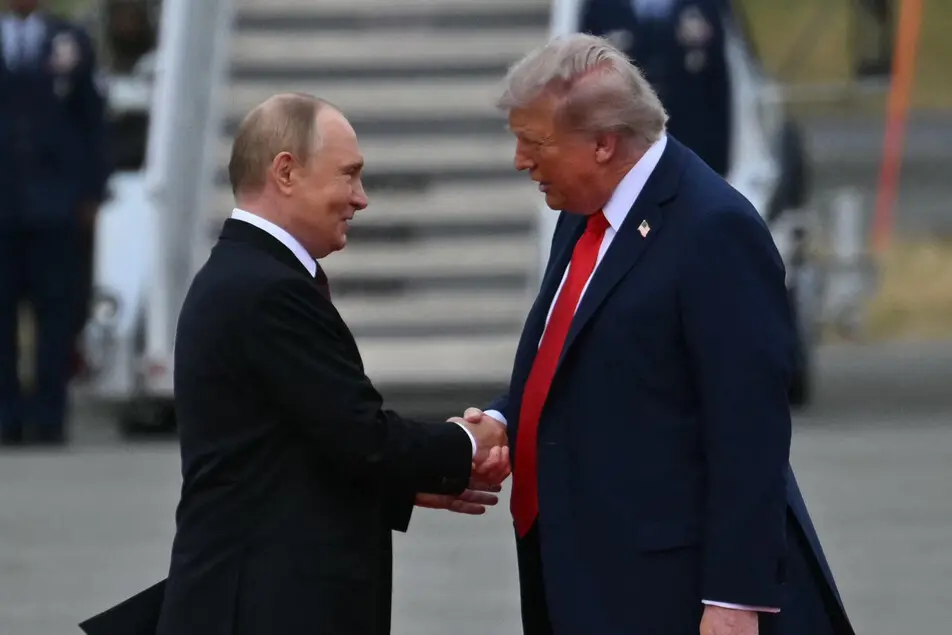
"Hands off Venezuela" was one of the many placards waved alongside Venezuelan flags. The show in the chamber aired after the emergency meeting of the UN Security Council, which saw the United States committed to defending its operation, and while the National Assembly was convening in Caracas for the first time since Maduro's capture , during which the former leader's son gave his support to Delcy Rodriguez before her swearing-in. The fate of what remains of the Maduro regime lies in the hands of the interim president. Described as ruthless and ambitious, as well as manipulative, Rodriguez, walking a tightrope, extended her hand to Donald Trump : "Let's work together for peace and dialogue," she said. "He's cooperating," the American president replied, revealing the optimism that reigns within his administration regarding a possible dialogue.
Despite Rodriguez's initial criticism, which was seen more as a facade to appease loyalists than as a statement of intent, the White House continues to favor a technocrat over Nobel Prize winner Maria Corina Machado, believing her easier to control and manage. This stance has prompted many critics to speak of a "puppet government" for Venezuela, with Rodriguez continuing the oppression and remaining in power while Trump gains control of the operation's true objective: oil. Machado, however, remains confident in the transition and, thanking Trump for his "determination," says she is convinced that "Venezuela's freedom is near, and soon we will celebrate our land." She makes no reference to the words the tycoon used in recent days to deny her support, while the more malicious ones point to The Donald's irritation that the Nobel Prize went not to him but to his opponent.
(Unioneonline)