

EU bans Russian gas imports: a total ban starting in 2027. Moscow: "You'll pay more from others."
Von der Leyen exults, speaking of a "historic day" in which Europe "enters the era of full energy independence from Russia."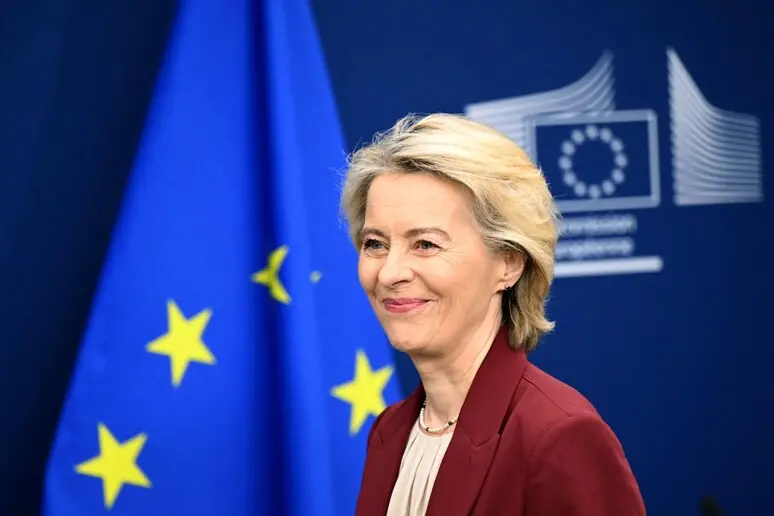
(Handle)
Per restare aggiornato entra nel nostro canale Whatsapp
MEPs and EU member states (except Hungary, which will appeal) have reached an agreement to ban all Russian gas imports into the European Union from autumn 2027 .
This is a compromise between the European Parliament, which wanted a quicker ban, and the member states, which wanted to take a little more time.
The measure
For gas pipelines, the ban on long-term contracts, the most sensitive because they sometimes last decades, will come into force on September 30, 2027, provided that supplies are sufficient, and will apply no later than November 1, 2027. For liquefied natural gas (LNG), the ban on long-term contracts will apply from January 1, 2027, in accordance with European Commission President Ursula von der Leyen's announcements to impose sanctions on Russia. Regarding short-term contracts, the ban will apply from April 25, 2026, for liquefied natural gas and from June 17, 2026, for gas transported via pipeline.
This timetable will still require final approval by the Member States and Parliament, but the agreement paves the way for a vote without suspense. European companies will be able to invoke "force majeure" to legally justify such contractual breaches, citing the EU import ban. The share of Russian gas in EU gas imports has already fallen from 45% in 2021 to 19% in 2024.
«Historic day»
"Today is a historic day for the European Union: many thought it wouldn't be possible, but today it happened. I always knew we could do it. Now we are ready to open collaborations with new, reliable partners. This is just the beginning of a true European success story," commented European Commission President Ursula von der Leyen.
"Today," he added, "we enter the era of Europe's full energy independence from Russia. REPowerEU has borne fruit. It protected us from the worst energy crisis in decades and helped us transition away from Russian fossil fuels at record speed. Today, we are definitively halting these imports. As Putin's treasury dwindles, we stand in solidarity with Ukraine and seek new partnerships and energy opportunities for the sector."
The Hungarian no
Viktor Orbán's Hungary is opposed and will challenge the plan. "The legal proceedings will begin immediately. Preparatory work is already underway," Hungarian Foreign Minister Péter Szijjártó wrote on X. "We will do everything necessary," he emphasized, "to defend Hungary's energy security."
Fly
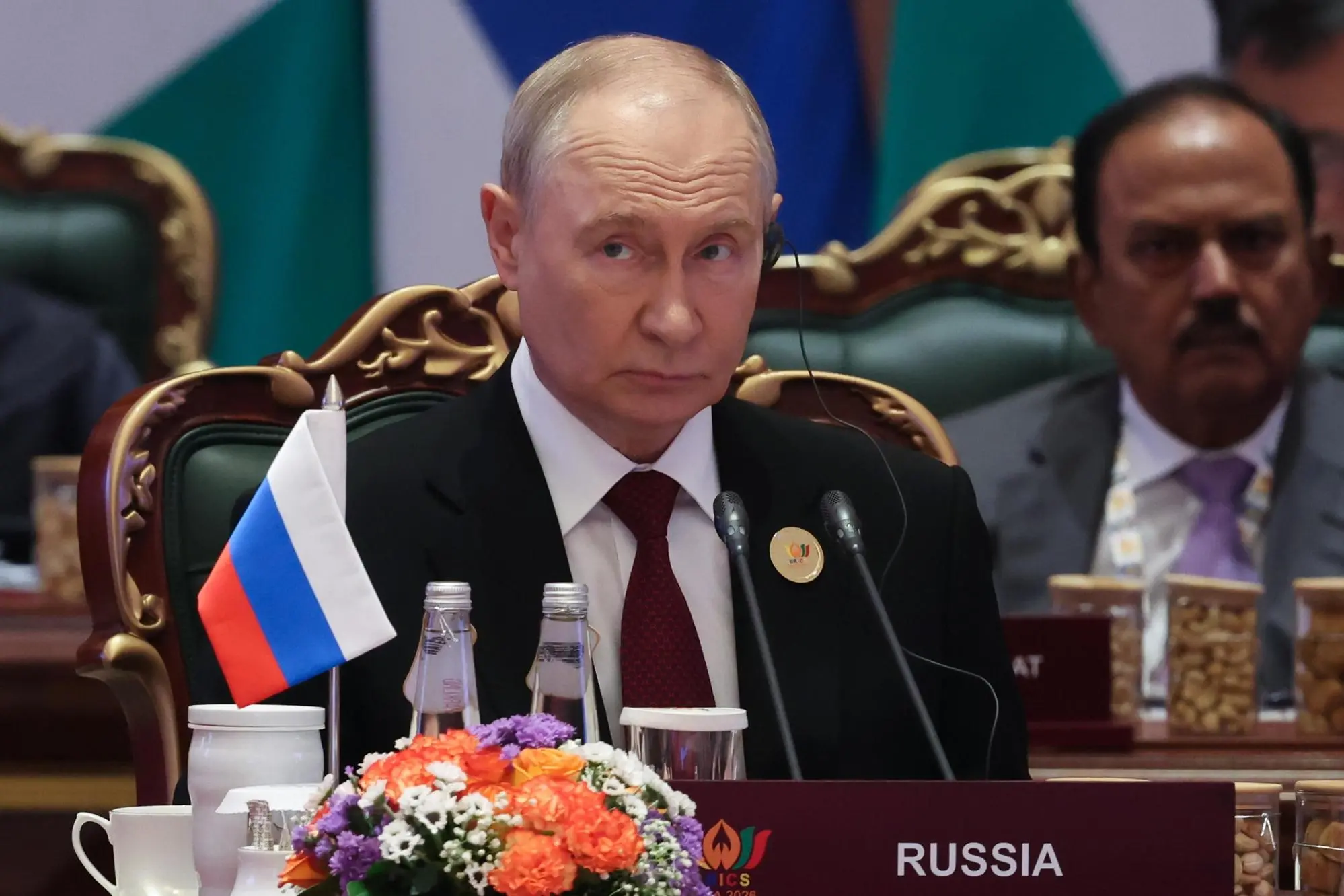
And Moscow warns that this renunciation will weigh heavily on the European economy: "Renouncing Russian gas will only accelerate the process, already underway in recent years, of the European economy losing its leadership potential. It means that Europe will become dependent on gas that costs more, and sometimes much more, than Russian gas. In this way, Europe condemns itself to much more expensive energy sources, which will inevitably have consequences for the European economy and a decline in Europe's competitiveness," said Kremlin spokesman Dmitry Peskov.
(Unioneonline)