

Attack on Iran: Between preemptive war and changing alliances in the new West
The joint action of the US and Israel, and the use of force to restore world balance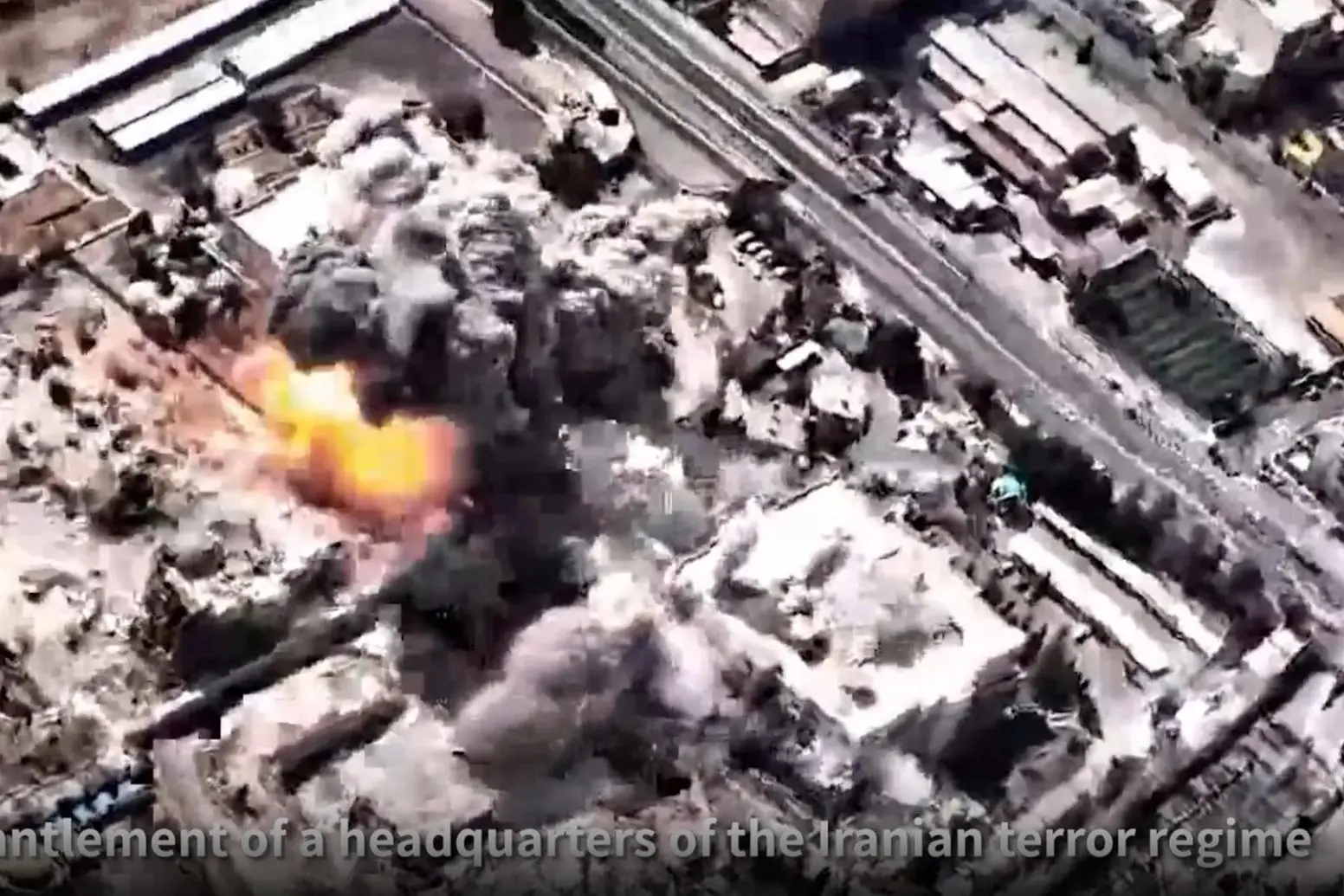
Per restare aggiornato entra nel nostro canale Whatsapp
Current war events, including the attack launched against Iran in the early hours of February 28 by the United States and Israel, require the international community to reflect on the immediate and future course of international relations. Reflections on the modus operandi, first and foremost, and on the necessity/appropriateness of what has been defined, by its own authors, as a preventive action in the apparent absence of any defensive need.
Whether you want to call it "Lion's Roar," as Tel Aviv does, or "Operation Epic Fury," as Washington prefers, it matters little. The name doesn't change the substance. Democracy isn't exported with bombs. The European Union, the so-called Old Continent, could only acknowledge a pre-arranged and somewhat imposed plan (if one can allow such a term), which it couldn't even express its opinion and/or attempt to oppose.
According to press reports, Khamenei is dead, but this does not appear to be a decisive factor, especially in a context where it will be extremely difficult to find a strong enough apparatus to take the reins of a complex country like Iran, which itself maintains extremely complicated relations and alliances, if we wish to define them that way. For example, with Vladimir Putin's Russia, who, through his foreign minister, wanted to define the attack as "a planned and unprovoked act of armed aggression against a sovereign and independent member state of the United Nations, in violation of the fundamental principles and norms of international law."
Common sense would likely dictate that the European institutions, and the individual Member States as a whole, should firmly distance themselves from an action they do not share in any way, and above all, one that appears to have been perpetrated in the absence of an imminent Iranian attack formally confirmed by the United Nations Security Council.
If we were to focus on a purely legal-internationalist level, then what appears to be a novel military intelligence strategy would be nothing more than the pure and simple reinstatement of actions traceable to international mechanisms that predate the establishment of the United Nations. This is all the more true when the aim is to delegitimize the very institution of a collective security system within which the power of individuals is constrained and conditioned by collective decision-making. The institution of preventive war, in this instance, appears to have been invoked solely to circumvent the prohibition on the use of force, in a not-so-disguised attempt to accredit it as a concrete response to restoring global balance. This is even more true when such action cannot in any way serve as a parallel and alternative/substitute path to legitimate institutional solutions.
Giuseppina Di Salvatore – Lawyer, Nuoro