

Uras, after the torchlight procession through the streets of the town, the doctor returns from July 1st
The Local Health Authority (ASL) promises three shifts at Ascot, the clinic for residents left without healthcare.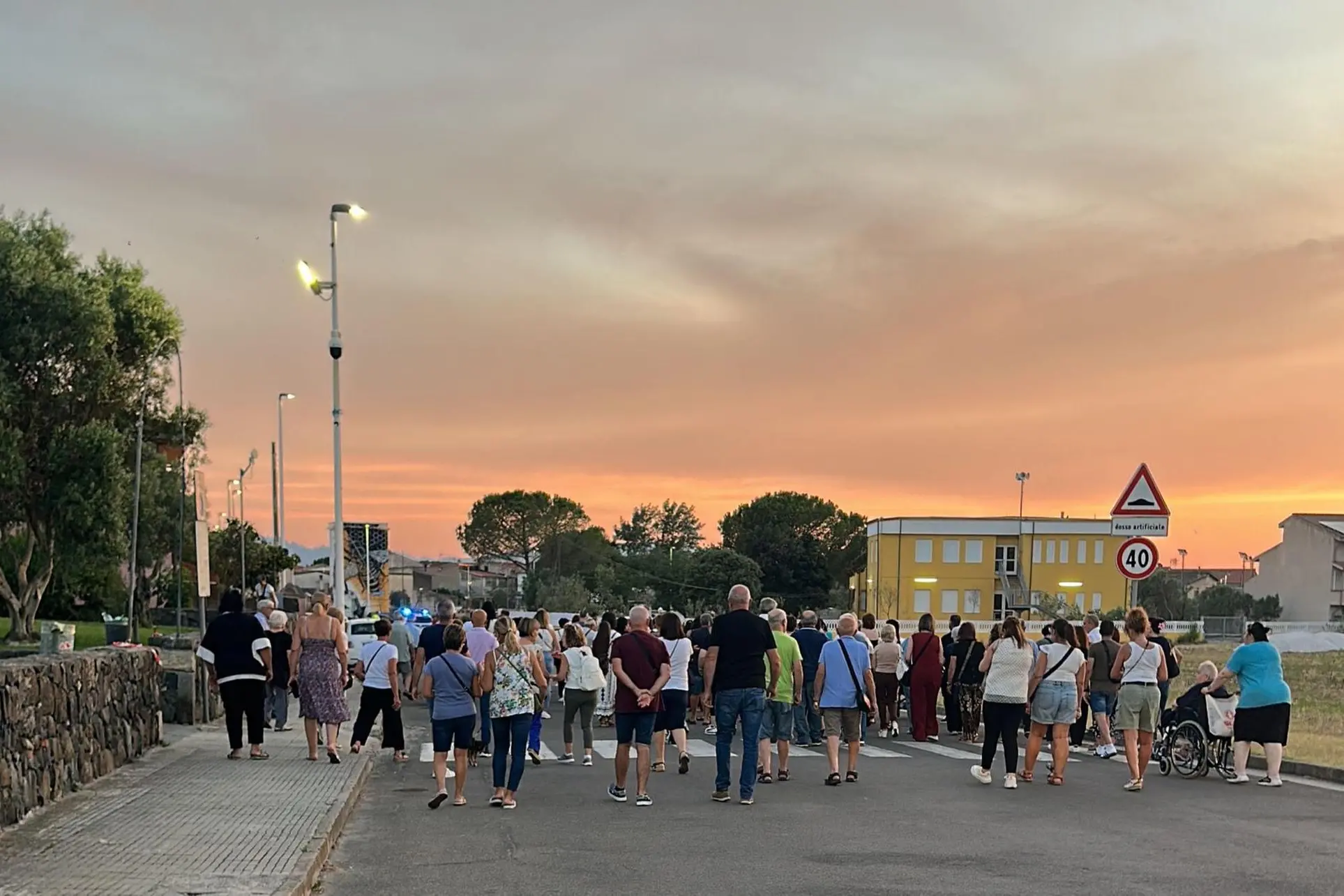
Per restare aggiornato entra nel nostro canale Whatsapp
The torchlight procession is served. The white coats are about to arrive: two young doctors and one retired doctor returning to duty. In Uras, where residents have been without a doctor for some time, the first response to the health emergency has been made, after the Unisal committee organized a silent walk last night to protest the reduction in healthcare services and demand adequate medical care in the area. Shortly before the demonstration, the ASL management informed the committee members that starting next July, there will be three shifts at Ascot, the clinic for residents without a doctor.
"Yesterday was an important day," commented Laura Dessì and Elena Caddeo, promoters of the torchlight procession. "In the evening we met with the Oristano Local Health Authority (ASL) management and achieved a first concrete step towards restoring assistance to Uras. It's a start. Now we will keep watch." Then, 200 torches silently illuminated the streets of the town. White sheets draped over the windows of those who couldn't attend. Thank you to those who marched with us. Thank you to those who supported us from home. Uras has shown that when a town takes action, things can change. The committee was welcomed a few hours before the demonstration by the general director of the Local Health Authority (ASL) 5 of Uras.
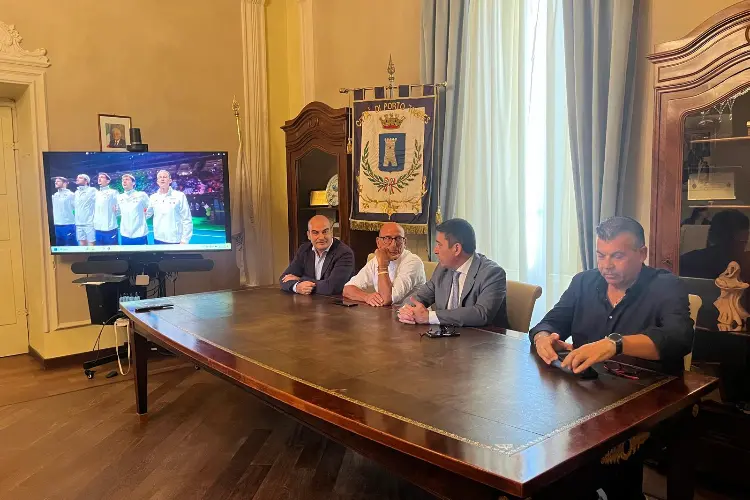
Oristano, Italy, was joined by Grazia Cattina, medical director Roberto Irde, and director of social and health services Marina Cossu. Citizen representatives reiterated the need to strengthen the Ascot service. The Art 32 association was also present at the meeting. "We brought to the director's attention the serious difficulties our region is currently experiencing," the committee representatives stated. "We reiterated the need to strengthen the only tool currently available to stem the disruption caused by the hemorrhage of general practitioners: the Ascot service. Once again, we asked for a dedicated email address and phone number to be activated, thus creating, in addition to a fast-track lane for prescriptions of life-saving medications, chronic therapies, and Treatment Plans, a faster communication channel for citizens. This would prevent patients from having to visit the clinic every month for their ongoing medications."
"The Local Health Authority," emphasized Director General Cattina, "is committed to carefully assessing needs and listening to them, which allows for the integration of planning and evaluation of the effectiveness of ongoing actions."