

San Francesco, Oncology at risk of dismantling: Uil Fp raises the alarm
The union reports an increasingly critical situation within the Complex Structure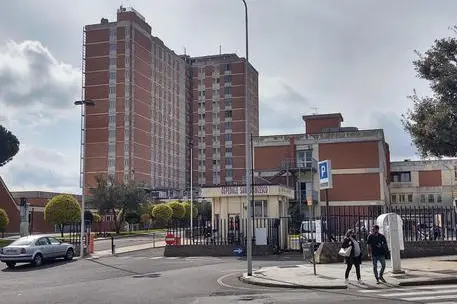
Per restare aggiornato entra nel nostro canale Whatsapp
"The Oncology Department at San Francesco is at risk of collapse." The alarm was raised by the Uil (Italian Union of Public Administration) through union leader Cristian Pasquale Cinellu, who reports an increasingly critical situation within the Nuoro hospital's Oncology Department, exacerbated by a severe shortage of medical staff and recent healthcare planning decisions.
The union is targeting the unified competition announced by Ares, implementing management decision 3044 of November 10, 2025, which provides for the permanent filling of 89 medical director positions. However, according to Cinellu, only one position has been assigned to the Nuoro Local Health Authority (ASL), while six have been assigned to the Oristano Local Health Authority (ASL).
This forecast, according to Uil Fp, is "completely inadequate" given the situation at the San Francesco department, where only three medical directors are currently employed, compared to the seven foreseen in the three-year personnel needs plan for 2026-2028. According to Cinellu, "the provision for only one position, besides failing to resolve the critical situation, risks making it worse," suggesting "a possible strategy of downsizing or even a future closure of the department."
Absences due to illness, leave of absence, and transfers also impact the service, further reducing the actual number of staff on duty. "Anyone choosing Nuoro," the union emphasizes, "would be aware that they are entering a highly critical environment, similar to that experienced by existing managers, forced to work in extremely demanding conditions."
The UIL also highlights how the very nature of the competition could penalize Nuoro. Candidates can only choose one location, and according to the union, many will inevitably opt for locations with a greater number of available positions and more structured staffs, such as Oristano. These locations would, in fact, offer "better work organization, more sustainable shifts, and greater opportunities for professional development."
In the document, the UIL also raises the issue of financial incentives provided for disadvantaged locations. For the Gallura and Medio Campidano Local Health Authorities, additional emoluments were awarded to medical directors based on company agreements linked to the fund for the operation of hospitals located in particularly disadvantaged areas. "Why hasn't this been done for Nuoro, given the severe shortage?" the union asks.
UIL also cites the Regional Health Department's guidelines of April 27, 2026, which highlighted the growing difficulties in recruiting medical management in remote and disadvantaged locations. The Department had urged Ares and the non-metropolitan Local Health Authorities to initiate competitive selection procedures consistent with actual personnel needs, precisely to avoid imbalances in the distribution of specialists and ensure uniformity in healthcare.
Of further concern are the results of the rankings for the unified public competition ratified by management decision 1204 of May 11, 2026. According to the union, an analysis of the rankings shows that, for the Nuoro Local Health Authority, only two candidates who have not yet specialized are eligible. Furthermore, two medical directors currently working in Nuoro are ranked highly in other rankings: one is ranked first in Oristano and another second in the Gallura Local Health Authority ranking.
"This situation confirms and exacerbates the already critical situation regarding the staffing of the Oncology Department at San Francesco," highlights the Uil, which speaks of a "concrete risk of further depletion of medical staff and the consequent compromise of continuity of care."
For this reason, the union is calling for "a significant increase in the number of positions required for the Nuoro office," including at least three additional positions in addition to the one already advertised. At the same time, it is urging "a shared solution" to prevent the transfer of the two existing medical directors, who are considered essential to ensuring continuity of care and the quality of oncology care in the area.