

Quartu: 300 mushroom species on display to learn about and avoid accidents.
The initiative is organized by the Bresadola mycological association, and conferences with experts are also scheduled.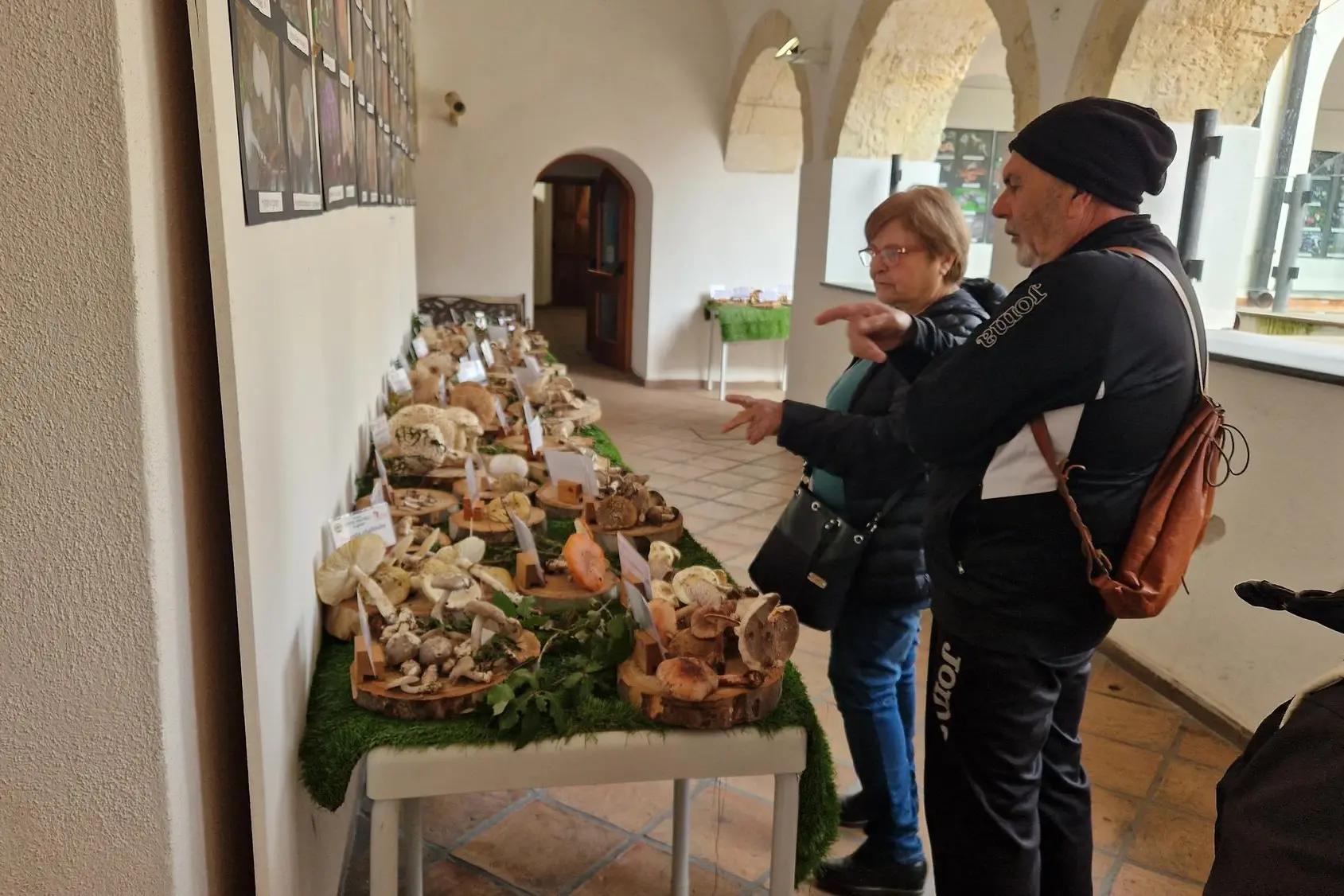
Per restare aggiornato entra nel nostro canale Whatsapp
Many inexperienced hunters venture into the woods to look for mushrooms, then, without knowing much about them, cook and eat them, often ending up poisoned or even worse. And it is precisely to prevent such tragedies that the "City of Quartu Sant'Elena" mycological exhibition, organized by the Bresadola mycological association and the Cagliari Sette Fratelli group, is currently open in the cloister of the former Capuchin convent on Via Brigata Sassari. The exhibition is sponsored by the Municipality of Quartu Sant'Elena.
The stalls feature over three hundred different species, from edible to poisonous and deadly. A series of lectures by experts from the local health authority and the university will complement the event, explaining how to learn about mushrooms and avoid unpleasant experiences.
"Mushrooms grow year-round," explains Sandro Gulleri of the Bresadola Mycological Association. "There are winter ones and summer ones, spring ones and autumn ones. Even the ones that may look ugly are actually edible and delicious, while the ones that look beautiful can be deadly. That's why it's always important to consult the experts."
The most fearsome remains the Amanita phalloides: to die, simply eat a small mushroom. But it's not the only one that can cause death. There's also the tiny Galerina marginata, and among the Cortinorius fungi, there are many toxic ones that destroy the kidneys and cause symptoms after 20 days, when there's nothing left to do.
On the other hand, the Portentosum, although ugly to look at, seems to be very good, just as the dead man's trumpet, despite its name, also seems to be very good.