Illegal speed cameras, MIT data: out of 11,000, only a thousand are approved.
The risk is a deluge of appeals from motorists: here's when fines are null and void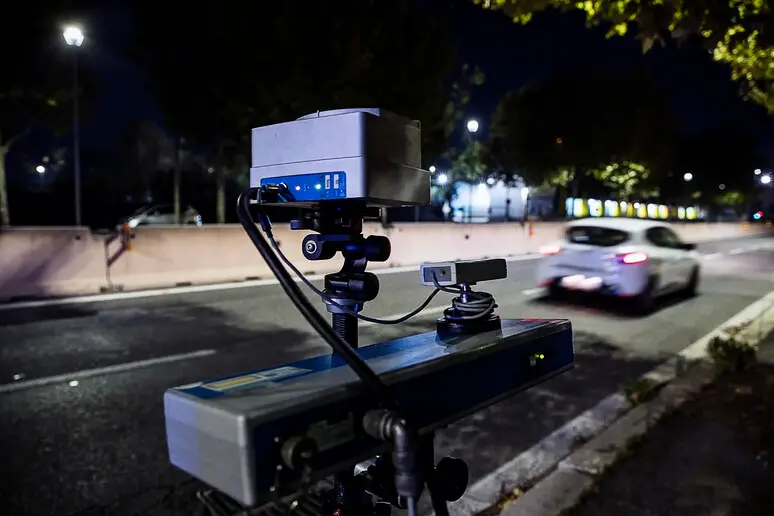
Per restare aggiornato entra nel nostro canale Whatsapp
The Ministry of Infrastructure and Transport has released official data from the latest census. According to analyses conducted in recent months, fewer than one in ten speed cameras in Italy are compliant . Of the approximately 11,000 devices in operation, only 3,800 are registered on the online platform provided by the Ministry of Infrastructure and Transport. Furthermore, of these 3,800, just over 1,000 automatically meet the approval requirements during the adoption phase.
By order of the Ministry of the Interior, municipalities and administrations had two months to submit data and register irregular devices. Failure to comply would result in the devices being turned off and dismantled , with the fines issued through them being cancelled . The speed camera chaos stems from the ruling of the Court of Cassation in April 2024. has established the nullity of fines imposed by approved but not homologated devices.
The consequence could therefore be a flood of appeals from drivers fined by non-compliant speed cameras, as stated by Assoutenti's national president, Gabriele Melluso . "The data provided by the MIT speak clearly and pave the way for a veritable avalanche of appeals in the coming months. It is essential that local authorities, prefectures, and the Ministry immediately initiate an institutional discussion to clarify and provide legal certainty."
"If the message gets out," Melluso continues, "that the devices aren't approved and that fines can be easily overturned, the deterrent effect of speed cameras will be undermined . The real risk is that many drivers, feeling "covered," may decide to speed above the limit, with obvious repercussions on road safety. Speed cameras must be a tool for prevention and protection, not a means of making money . We need clear rules, fully legitimate tools, and total transparency."
(Unioneonline/ ns)