

Oysters and clams in the nuraghe: "Sardinians ate them even 3,000 years ago."
The discovery in Su Angiu, in the territory of Mandas, brings to light a menu petrified for millennia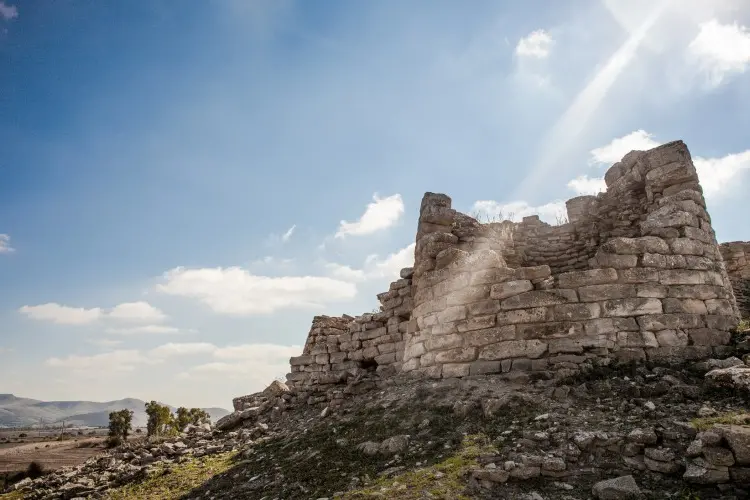
Per restare aggiornato entra nel nostro canale Whatsapp
The discovery from the excavations at Su Angiu is truly tantalizing. Among the traces left by the inhabitants of the great nuraghe of Mandas over three thousand years ago, evidence of a surprising dietary habit has emerged, helping to reshape the image of Nuragic civilization: oysters, mussels, mussels, and clams were served at the table, along with the meat of farmed and hunted animals.
A much richer and more varied diet than we're used to imagining, one that speaks of communities capable of exploiting diverse resources, not just those offered by fields and pastures. A small shell, in short, can become a vast window into daily life three thousand years ago.
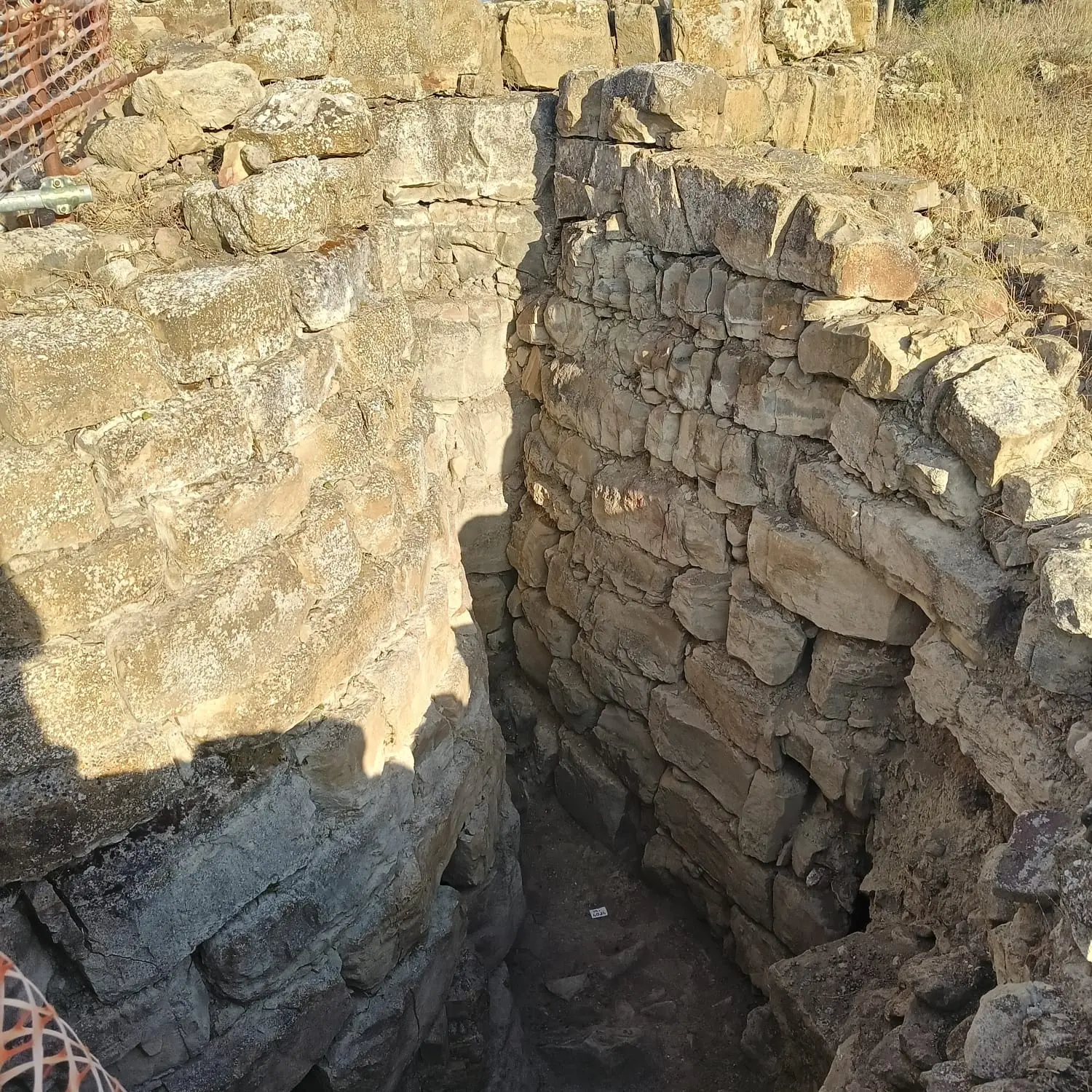
And Mandas Mayor Umberto Oppus, faced with this curious testimony to the past, is not above joking: "Even though Beppe Pingiori, Antonello Mura with La Forchetta, or Nicola Matta with My Dream haven't yet opened restaurants in Mandas, oysters were consumed inside the nuraghe in Mandas over 3,000 years ago," the mayor states, confessing to being a keen oyster and clam consumer himself: "Evidently, I've inherited my ancestors' tastes at the table."
Behind the irony lies a discovery that is far from marginal. Archaeological excavations conducted at the Bronze Age structure of Su Angiu are revealing new insights into the lives of the communities that inhabited the site. Remains discovered in hearths and archaeological layers reveal a diet that was not limited to agriculture and pastoralism: alongside the bones of domestic and wild animals, traces of water resources also appear.
The shells, mixed with ash, charcoal, and other remnants of daily activities, are a sort of menu petrified by time. Oysters and mollusks could accompany pork, beef, and even deer, testifying to a more varied food supply and an ability to exploit different environments. A shell that has remained in the ground for millennia tells of a very simple gesture: someone, over three thousand years ago, collected it, brought it to the village, opened it, and ate it.
"It's a small detail that allows us to get much closer to those communities than an abstract reconstruction could," Mayor Oppus emphasizes. Su Angiu, after all, isn't just the site of the curious discovery of the oysters. The large quadrilobate nuraghe is one of the most important archaeological sites in the Mandas area, preserving traces of a long and complex history that continued well after the Nuragic period. Archaeological investigations have documented Punic and Roman occupation , and in more recent surveys, new evidence has emerged that helps reconstruct the various phases of life in the area.
The excavations have thus transformed Su Angiu into a sort of open book on the history of the area, in which different eras overlap and interact. The presence of Punic and Roman artifacts alongside the Nuragic structures demonstrates how the site was embedded in the broader dynamics that have affected Sardinia over the centuries. And today, that same stratification represents one of its greatest cultural and touristic assets. It is no coincidence that a much broader enhancement project is being developed around Su Angiu. The nuraghe is in fact one of three large archaeological sites connected by the "Train and Nuraghi" project, promoted by the Superintendency of Archaeology, Fine Arts and Landscape and the Municipalities of Mandas, Isili, and Suelli, and funded by the Ministry of Culture with two million euros. The goal is to create an itinerary capable of uniting archaeology, landscape, and travel along the historic Trenino Verde railway line.
The route connects Su Angiu in Mandas, Is Paras in Isili, and Piscu in Suelli, three very different testimonies of the Nuragic civilization, all united by the potential to be told through a unique local experience. The train thus becomes not just a means of reaching the sites, but an integral part of the journey through the history of Sardinia's interior. The idea is to use the archaeological heritage as a driver of tourism that respects the landscape and can also provide new opportunities in the interior. In this scenario, the history of oysters can become much more than a curiosity to be shared with visitors. It can be the starting point for a new way of presenting the site, incorporating the diet, natural resources, and daily habits of Su Angiu's ancient inhabitants into the narrative. Oppus, in fact, already has a proposal: "Now let's launch the Bangius Oysters." And immediately after, he adds the idea of creating a "gastronomic-archaeological" itinerary at the museum. A provocation that could become an original tool for recounting the past through its flavors, naturally with all the necessary historical and scientific reconstructions. From shells to recipes, from artifacts to contemporary products, the thread could be that of a Sardinia that is changing yet continues to tell its story through its dishes. And so, three thousand years later, those shells found among the ashes of a hearth could become a new way to introduce Su Angiu.