


Not just ramps and elevators, the challenge of inclusion starts with the words: "Let's break down cultural barriers."
Alongside stereotypes, there are also concrete obstacles, including accessibility problems and inadequate facilities.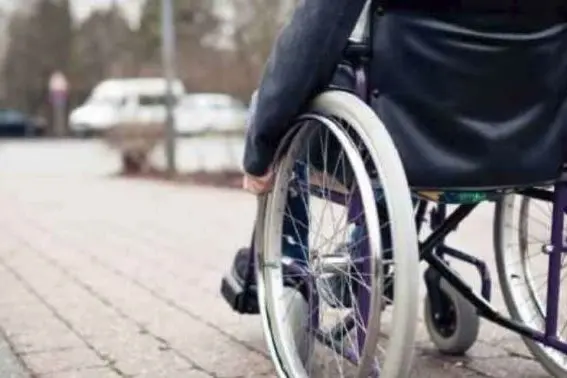
Per restare aggiornato entra nel nostro canale Whatsapp
In Cagliari, barriers aren't just architectural, but also cultural. This is one of the themes that emerged during the "Let's Talk About It Together" meeting, organized at Mu.Be in Mulinu Becciu by Giulia Giornaliste, University of Cagliari, and Co.a.di. (Municipal Council of Associations for People with Disabilities).
"Cultural barriers are the most difficult to break down," explains Lucia Balia, vice president of Co.a.di. "Even today, many people associate disability with incapacity, despite the fact that there are professionals, doctors, and workers who perform their roles just like anyone else."
Alongside the stereotypes, however, concrete obstacles remain. "In the historic center, it's often difficult to navigate independently amidst the tables and clutter," adds Balia. "And there are parts of the city that continue to present accessibility problems, especially in the historic center where many elevators aren't working."

The debate focused primarily on how disability is reported. "Through the words of journalism, we change people's perspectives," explained Susi Ronchi, coordinator of Giulia Giornaliste Sardegna. "That's why it's crucial to always put the person, not their condition, at the center."
Ronchi also recalled the association's work on the Olbia Charter, a document created in Sardinia to promote accurate and respectful communication for people with disabilities. This process was also continued through the publication "Women with Disabilities and the Media: Words vs. Barriers." "We realized there was a lack of reflection on the language used by the media. From there, a process was born that is now being carried throughout Italy."
Hence the invitation: to put the person first, before their condition. A principle that, according to the participants, should apply equally to journalism, institutions, and everyday life.





 states: "The city council has nothing to do with it."")