More fires and more hectares of ash, but fewer forests burned in 2026
Forestry data on wildfires in Sardinia, updated as of July 15: "Heat and wind don't start fires: they fuel them, but human intervention is often behind them."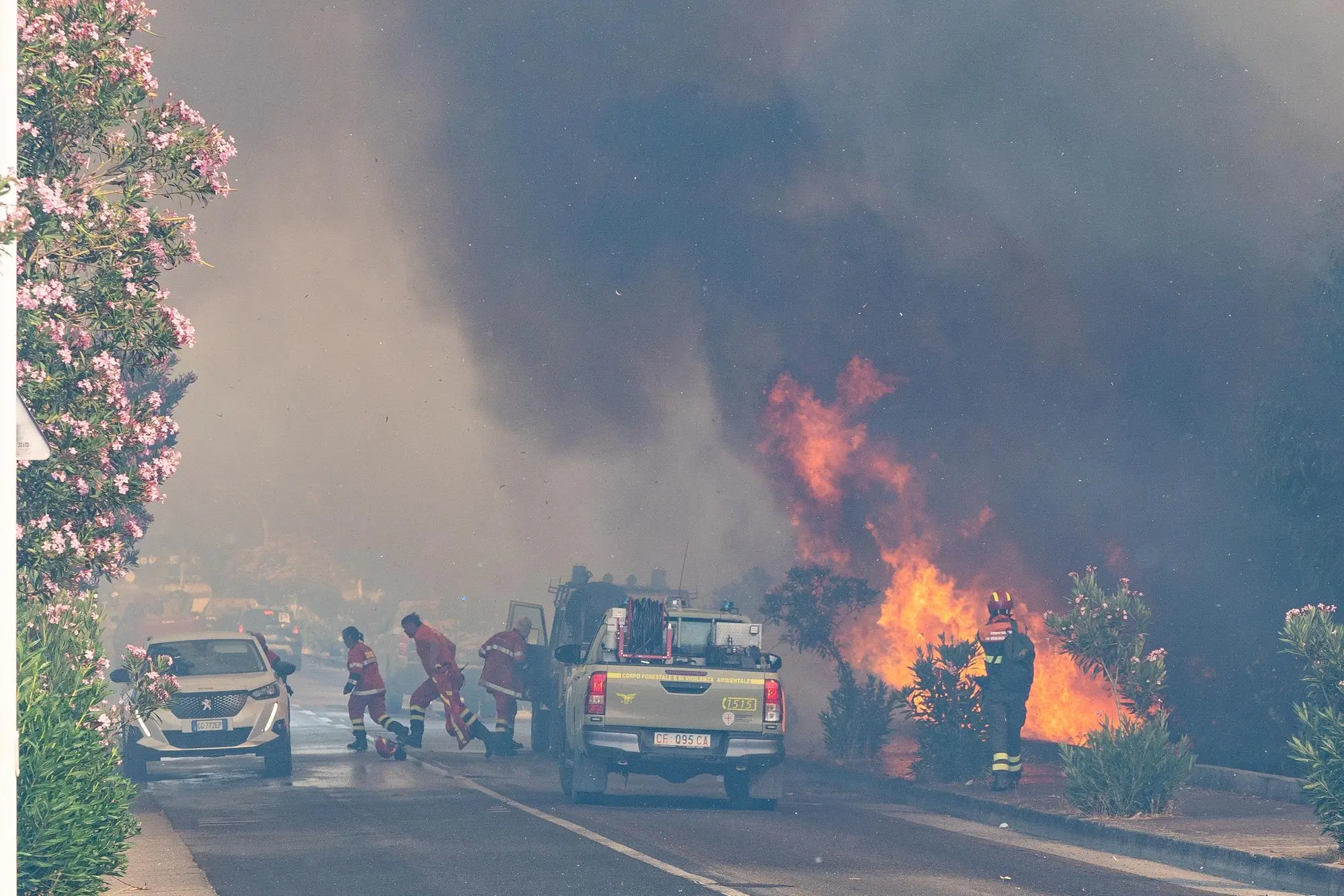
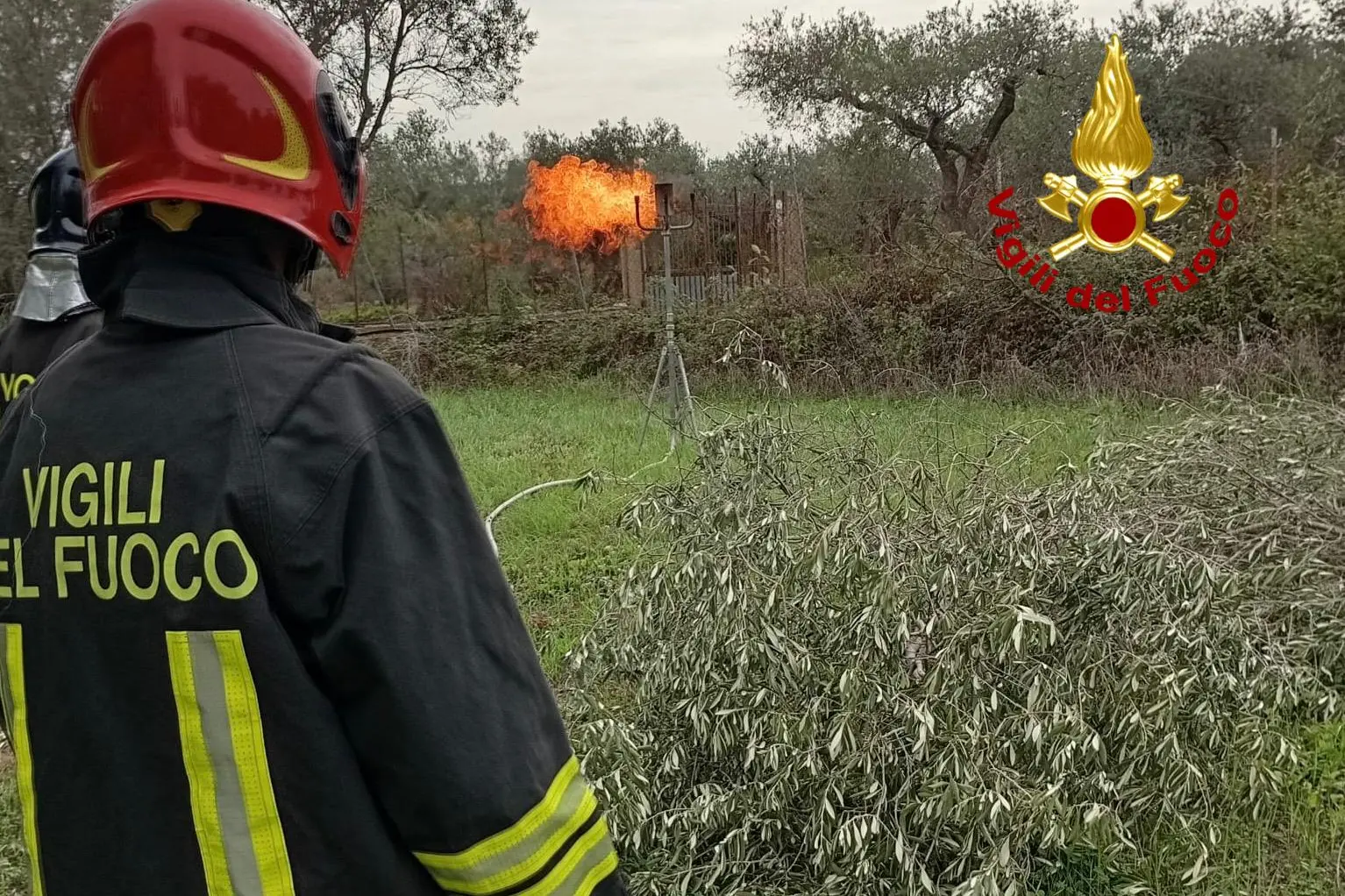
Fire in Carbonia (Photo: Fabio Murru)
Per restare aggiornato entra nel nostro canale Whatsapp
More fires (1,185 versus 1,076). The area burned is above the 10-year average (5,718 hectares, +25%). But fewer forests were destroyed by flames: 212 hectares versus the 709 hectares recorded in the same period in 2025.
This is the updated budget as of July 15th – and therefore absolutely provisional – for the regional fire prevention campaign for 2026.
There is one fact, the Region emphasizes, that deserves to be remembered whenever forest fires are discussed. High temperatures, wind, and drought can accelerate the spread and be more devastating, but they do not trigger them. In the vast majority of cases, fires are caused by human activity. This is the conclusion reached, with impressive consistency for decades, by investigations by the Forestry Corps and environmental watchdogs.
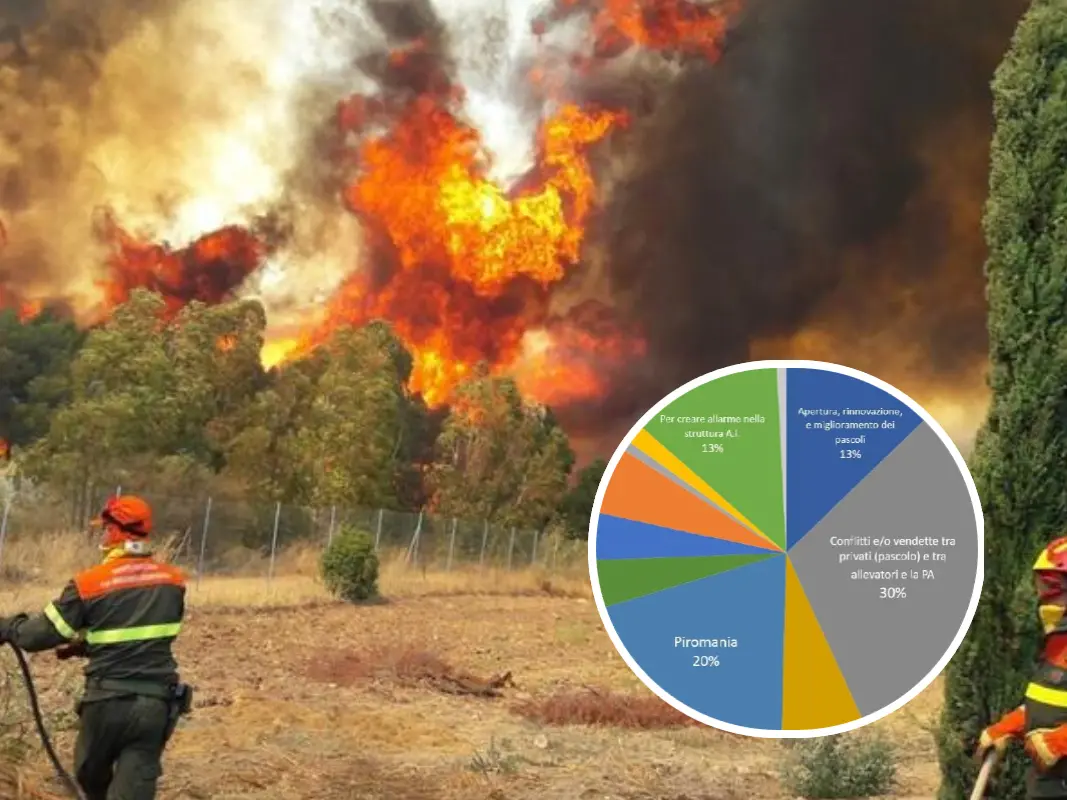
Over the past five years, the Forestry Corps has traced hundreds of fires to negligence and malicious intent. Among the main causes of negligence are the reckless use of mechanical, electrical, or flame-powered equipment, the unauthorized burning of stubble, the failure to clear fires in the countryside, poor maintenance of power lines, and other serious forms of negligence.
Even more significant is the pattern of arson, which paints a picture of a criminal phenomenon that is far from occasional. Investigations document fires set due to conflicts between private individuals, grazing disputes, pyromania, intimidation, retaliation, and other illicit interests. Added to these is a still significant number of clearly arson-related fires for which it has not been possible to identify the specific motive, confirming the complex nature of the investigation.
"Every summer, we rightly talk about heat waves, wind, and drought. But we must never forget a fundamental truth," says Environment Councilor Rosanna Laconi: " Heat does not cause fires. Wind does not cause them. Drought does not cause them. These factors can make them spread faster, more extensive, and more difficult to extinguish, but they are not the cause. In almost all cases, fires originate from human behavior, whether malicious or grossly reckless. This is the real emergency on which we must continue to focus all our efforts, through prevention, monitoring, and the dissemination of a culture of responsibility."
The Commander of the Forestry and Environmental Protection Corps, Gianluca Cocco, emphasizes how investigative activity is one of the pillars of the regional strategy for preventing and combating forest fires. "Every fire is treated like a crime scene . The Forestry Corps' investigative activity is not only aimed at identifying those responsible, but also constitutes a fundamental tool for understanding the phenomenon, analyzing its causes, and increasingly effectively directing prevention, surveillance, and control strategies. It is thanks to this wealth of knowledge, built over decades of investigations, that we can now state with certainty that forest fires in Sardinia are not a natural event, but, in almost all cases, the consequence of human behavior."
(Unioneonline/E.Fr.)