

In Sardinia, one in three homes is empty or rented to tourists.
Meanwhile, the demand for housing by families, workers and students is increasing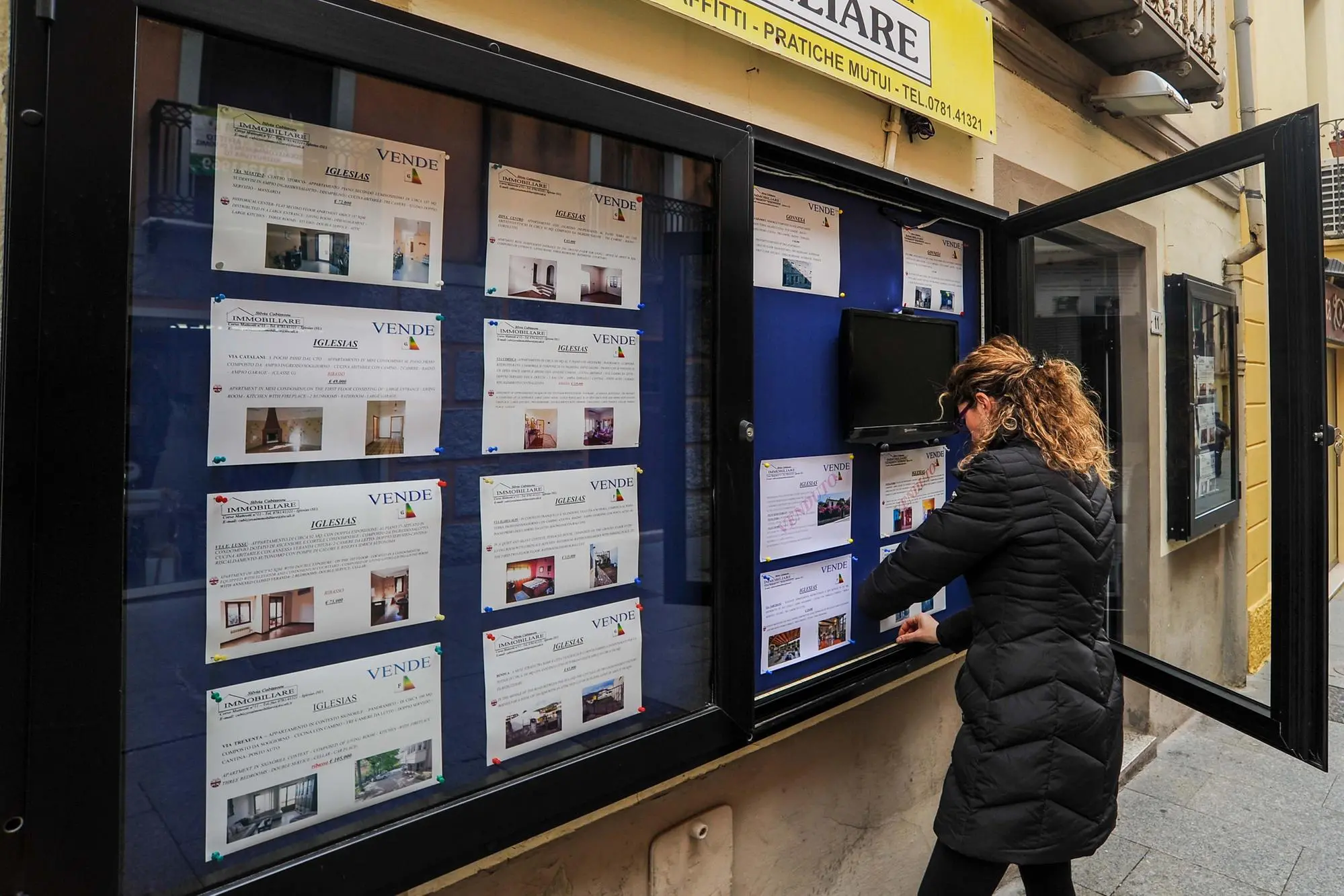
Per restare aggiornato entra nel nostro canale Whatsapp
In Sardinia, out of over one million owner-occupied homes, a full 320,000, or 32%, are unoccupied or used for short-term rentals. Of these, approximately 51,000 are used for tourist rentals, while in inland areas, the percentage of unoccupied homes exceeds 50%.
Conversely, 80% of real estate sales are concentrated along the coast, with Gallura alone accounting for 21.7% of regional transactions. This is a profoundly unbalanced market, especially as demand for housing from families, workers, and students grows .
The elderly population also expresses new housing needs, which currently lack adequate flexible and dedicated solutions. The overall cost of housing also weighs heavily on families: mortgages, rent, and utilities account for 33.5% of family income.
The challenge, therefore, is not just to build new homes, but to bring unused ones back onto the market, regenerate city centers and inland areas , diversify the housing supply, and improve the quality of the existing stock. The goal is to make the housing system more sustainable, accessible, and consistent with the population's changing needs.
These are some of the data emerging from the report on construction and housing demand on the island , produced by Nomisma, which will be presented and discussed at the regional public initiative organized by Confartigianato Imprese Sardegna and Anaepa Edilizia Confartigianato, entitled "The new housing demand as an opportunity for artisan construction companies in Sardinia," scheduled for Saturday morning in Olbia, at the Blu Marine Conference Center.
It will also be an opportunity to present a dossier on the changes affecting housing demand in Sardinia. The study analyzes the profound demographic, social, and real estate transformations affecting Sardinia. While new building permits are growing in urban areas, with a 9.4% increase in 2025, and energy efficiency of buildings is improving, in inland municipalities, depopulation and an aging population are advancing, along with a high proportion of vacant and dilapidated housing.
At the same time, the boom in non-hotel accommodation and short-term rentals in coastal areas is reducing the supply of housing for permanent residence and contributing to rising rents.
(Unioneonline)

: "Migrants stranded in Olbia, either Meloni and Piantedosi are incompetent or fueling tensions."")



 was a key: attacker acquitted in Sassari")