

He found a treasure, a reward denied to the Sardinian diver: "I would do it all again, I teach my children the value of honesty."
Davide Azara discovered 50,000 Roman coins in the sea off Arzachena. He immediately alerted the authorities, but the state denied the legally required reward. He has no regrets: "At least they should display them in museums."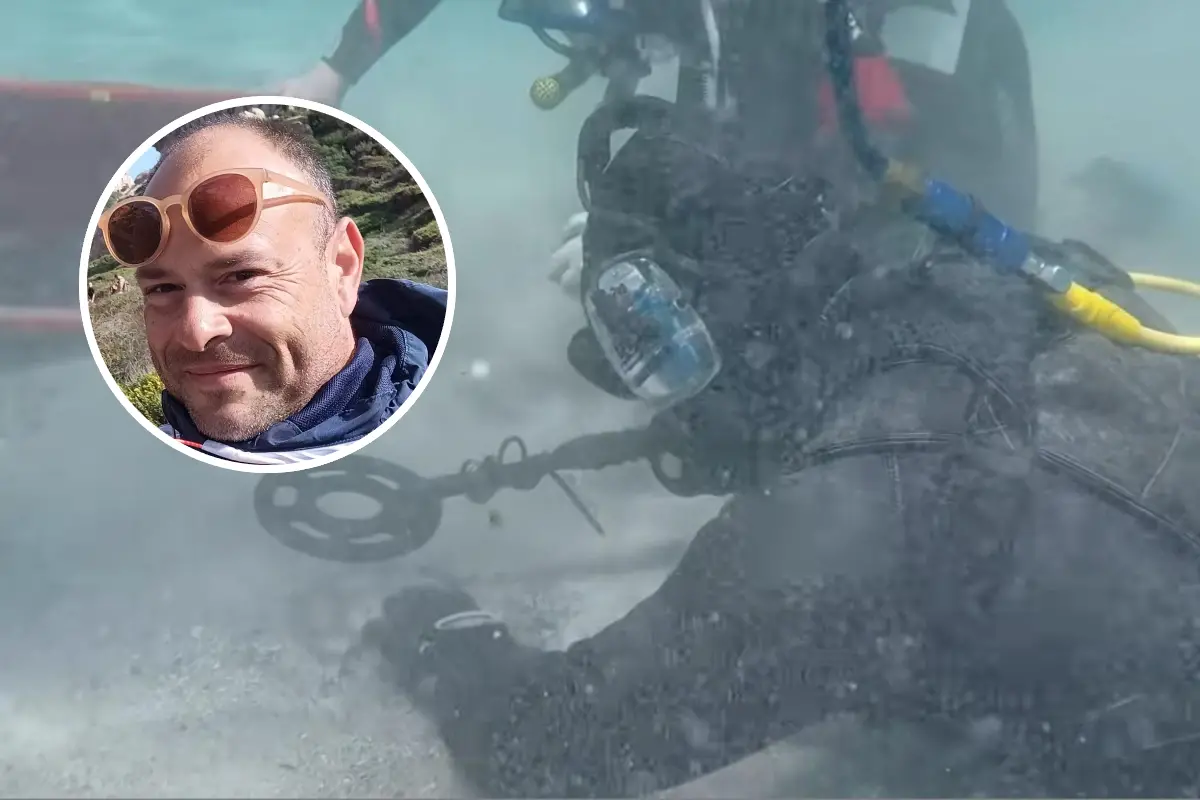
Per restare aggiornato entra nel nostro canale Whatsapp
"I would do it all again. I have two children I love more than my life. I want them to know that honesty comes first." No regrets, and a clear message. Davida Azara is from Arzachena, 42 years old, "I'm a plumber, I work for a plumbing company," and has a (subdued) passion for scuba diving. On May 25, 2023, along the coast of Arzachena, about 100 meters from Capriccioli beach, at a depth of just three meters, she found a treasure: approximately 50,000 Roman coins dating back to the 4th century AD.
As a model citizen, he immediately alerted the authorities; the Ministry of Culture had spoken of an extraordinary find. He had hoped for a reward, as provided by law. But no: first the Ministry of Cultural Heritage and Activities and Tourism (MIC) and then the Regional Administrative Court (TAR), upon his request, said he wasn't entitled to one. The reason? It wasn't a "chance" find, as required by the law that provides for the reward (immediately one-fifth of the value of the item): Azara had a metal detector aboard the dinghy. And that device, according to the reasons for rejecting his application, revealed that the diver was hunting for something, not stumbling upon it by sheer luck.

"I did what I had to do, my duty as a citizen. There are laws of the state, they must be respected. If they denied me the compensation, they must have their reasons." There is some bitterness following the ruling a few days ago. And it's heightened by reading the comments of the many who have expressed themselves on social media. The tone? Criticism of the "stepfather" state. But for him too: "There are those who claimed that I should have kept the coins for myself, perhaps sold them on the black market. But if everyone starts thinking like that, what happens to honesty?"
After the discovery, Azara supported the specialized teams during the recovery phase: " Everyone congratulated me. There were many pats on the back. But that's all I got," he adds with a hint of regret. It's not that the forty-two-year-old is giving up: he tried to assert his rights (or those he thought he was entitled to). Through his lawyer Nicola Norfo, he filed an appeal with the Regional Administrative Court (TAR) after the ministry denied him any kind of recognition. The judges also didn't satisfy him: "What will I do now? I don't know, we'll see. But they certainly can't make me fight the state." Hopes? "Well, it was an important discovery: I hope at least those coins can be displayed in museums, so people can learn about them."