Emergency services organizations to the Region: "The emergency system is in crisis, at risk of being blocked."
From the closure of some stations, like Barisardo, to the lack of staff: "Lives at risk, increase funding and reduce teams to two people, as in the rest of Italy."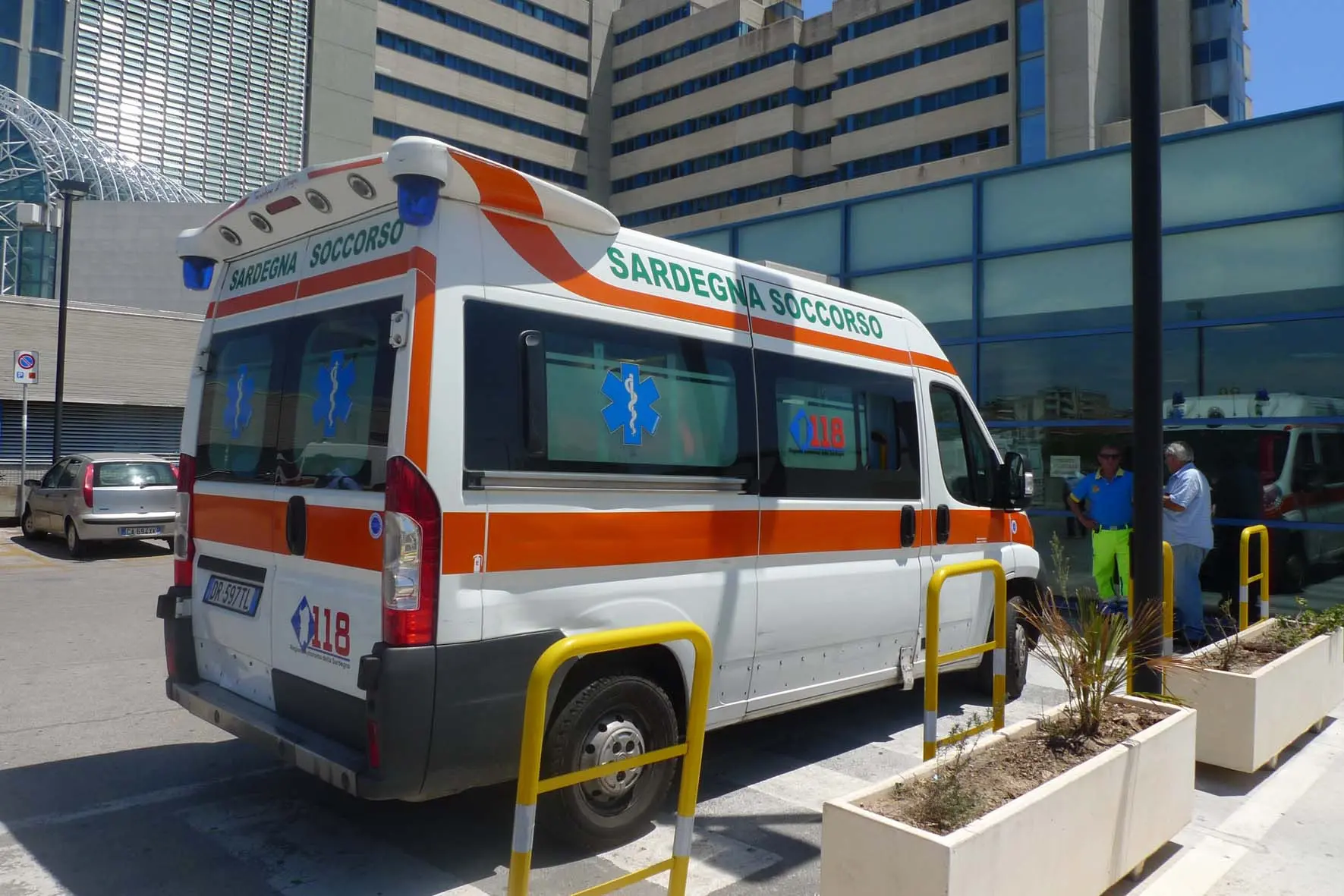
Per restare aggiornato entra nel nostro canale Whatsapp
The 118 emergency system in Sardinia is experiencing a "deep crisis" and is at risk of "collapse" .
This is the alarm raised by Anas Sardegna, which represents most of the non-profit organizations and cooperatives that operate 24/7 through the 118 emergency service, providing more than 80% of emergency response . The association has written a letter to President Todde and the Department of Health, of which she is interim governor, to denounce a long list of problems plaguing the system.
First and foremost, the recent closure of operational stations (such as Barisardo) due to the lack of healthcare workers: "Some communities are left without territorial coverage in emergency situations, putting human lives at risk ," the letter reads.
The service is undermined by difficulties in recruiting healthcare personnel and the "lack of adequate financial compensation." "Without immediate intervention," warns Anas Odv, "we risk facing a blockage of the 118 emergency system , given that the contracted organizations provide over 80% of all emergency interventions."
The association is calling for a doubling of the funding in the budget currently being discussed by the Regional Council: "an increase in the regional funding already provided for by Law 12 of 2025 is needed, thus increasing the compensatory measures from 5 to 10 million euros per year."
These funds are needed "to align the costs of investments planned during the extension period of the agreement, particularly for vehicles expiring, and to ensure adequate financial compensation for operators and full compliance with employment contracts."
Another request from the association's president, Tiziana Spiga, and its representative for institutional affairs, Stefania Artizzu, is to immediately reduce the team size to two adequately trained operators : "As already happened during the Covid years and as is happening in the rest of Italy, in order to guarantee the minimum essential coverage while avoiding service interruptions."
(Unioneonline/L)