

Emergency room work at the Policlinico Hospital is putting other hospitals under pressure. Doctors: "The situation is unsustainable."
The Cimo-Fesmed union's complaint: "Structural interventions can no longer be postponed."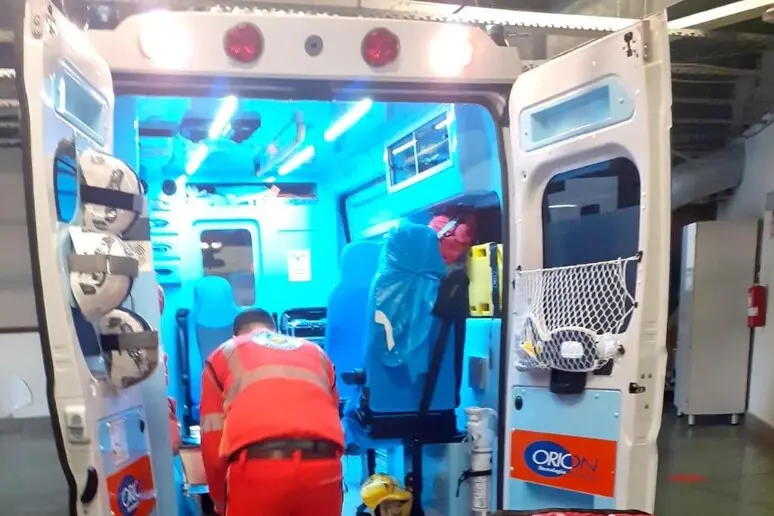
Per restare aggiornato entra nel nostro canale Whatsapp
The doctors' union Cimo-Fesmed has raised serious concerns about the "serious strain" on the emergency room system in Cagliari's hospitals.
« Waits of up to ten hours for low-priority codes , ambulances blocked in front of emergency rooms and patients forced to remain on stretchers in the corridors represent not an exceptional event, but the daily normality of a system that is no longer able to guarantee minimum standards of safety and quality of care ».
According to the union, the current situation is also significantly affected by the reduction in operations at the Policlinico emergency room , "which has inevitably concentrated the flow of patients onto other city hospitals, putting particular pressure on Brotzu and Santissima Trinità."
The role of Brotzu today is "strongly conditioned by the saturation of beds and the lack of staff , with evident difficulties in managing hospitalisations and in the overall stability of the system".
"The current situation is no longer sustainable," says Emanuele Cabras , Cimo-Fesmed corporate secretary at Brotzu. "This is not a temporary crisis, but a clear sign of an organizational system that is inadequate to meet the population's real needs. Without immediate, structural interventions, the risk is a progressive deterioration in the quality of care and safety."
Added to this are the critical issues facing the regional trauma network : "Despite representing an essential element in the organization of the emergency," the union continues, "it suffers from a structural shortage of beds : an estimated 40 fewer than the standards set by Ministerial Decree 70 are available. This deficit directly impacts the capacity to absorb trauma patients and contributes to exacerbating overcrowding in emergency rooms."
"Structural interventions are needed that can no longer be postponed," the doctors conclude. "It is essential to move beyond the rigid use of technical guidelines in hospital planning, strengthen staffing by leveraging all the options available under national legislation, and implement true metropolitan governance of emergencies, with integrated management of patient flows."
(Unioneonline / AD)