

Dermatitis, farmers mocked: "Despite the lifting of the ban, it remains. It's the fault of those who don't vaccinate; the Region must force them."
The entire region is still a vaccination zone II, Confagricoltura: "Due to a few companies, the entire sector is paying the price."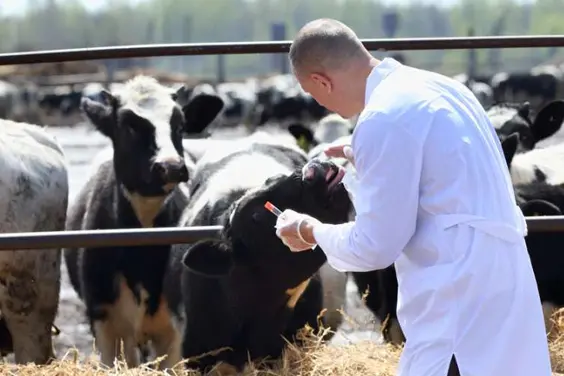
Per restare aggiornato entra nel nostro canale Whatsapp
Formally, the restrictions have been lifted. But the lockdown remains in place, and nothing has changed for Sardinian farmers .
The effects of bovine dermatitis on the Sardinian economy are still being felt, and the formal lifting of the ban on movement "does not in any way alter the actual conditions in which our island's businesses operate," explains Confagricoltura.
On December 3, the Region revoked the ZUR (Zone of Further Restrictions), but the measure "has no substantial impact," say Confagricoltura's regional president and director, Stefano Taras, and Giambattista Monne. The reason? " The entire region continues to be classified as Vaccination Zone II, effectively keeping Sardinia in a state of health and commercial isolation . This administrative management of the emergency risks placing the burden of the decisions made on businesses, without currently offering viable alternative solutions or a clear timeframe for a return to normality."
A rift is also opening up in the agricultural sector, between those who have accepted and those who continue to refuse vaccinations: "It is unacceptable," Confagricoltura leaders emphasize, "that a limited number of farms, refusing vaccinations, continue to negatively impact the entire sector ."
The Region is being asked to make "clear" decisions to prevent the sector from being left "paralyzed," "hostage to irresponsible behavior" and "an approach that continually postpones decisions," while "day after day, economic damage is being inflicted on thousands of farmers who have dutifully followed the rules to overcome the emergency as quickly as possible."
The association therefore requests that the Region adopt "coercive measures" against those who refuse vaccination , protect virtuous companies through "preferential lanes for movement and adequate compensatory measures." And, in consultation with the ministry and the European Union, "define clear timelines for Sardinia's exit from vaccination zone II."
(Unioneonline)