

Cagliari's tourist tax, Federalberghi Sud Sardegna: "No to doubling it starting in 2026."
The outlook for municipal coffers is good, but the trade association is holding back: "Little notice, no discussion."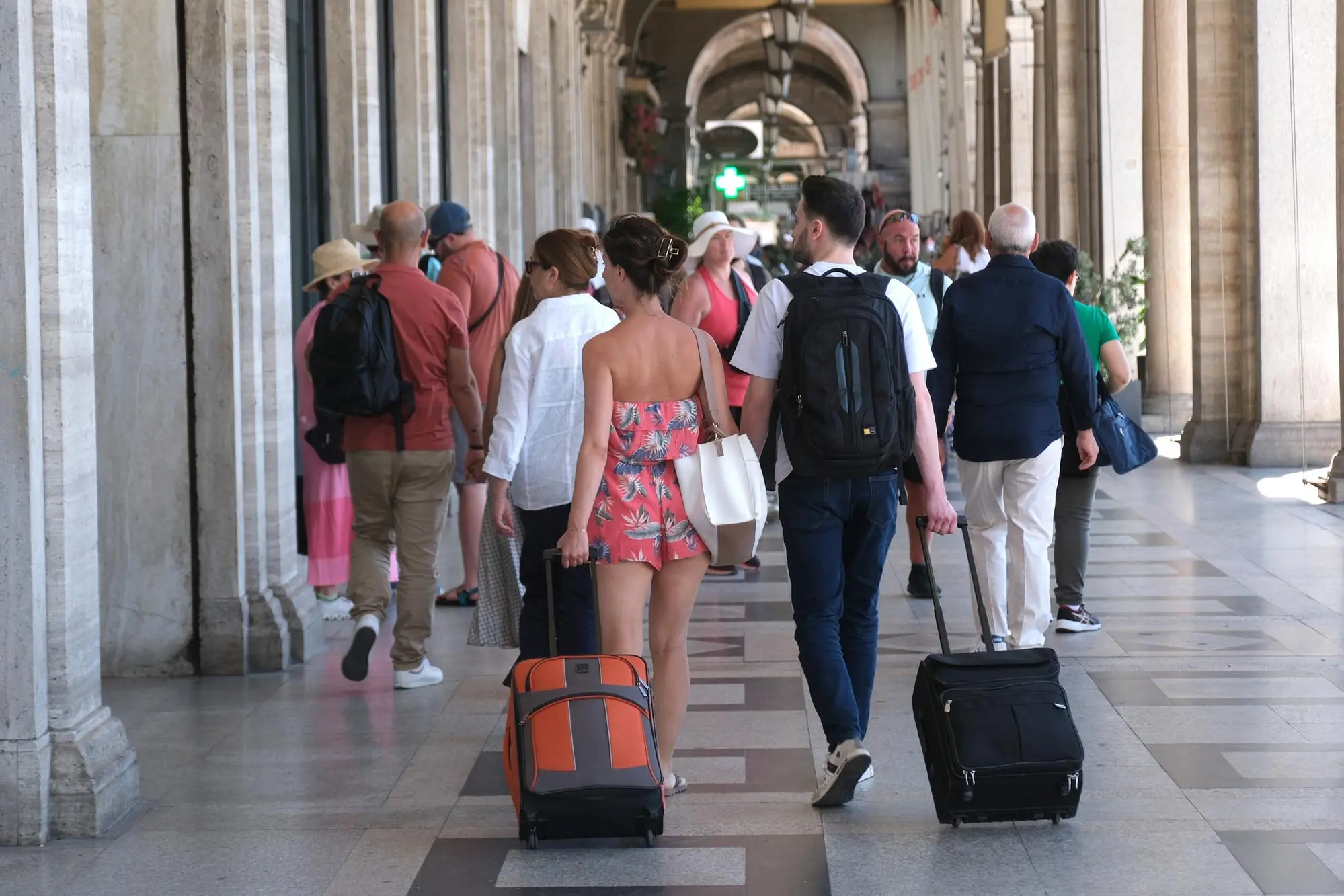
Per restare aggiornato entra nel nostro canale Whatsapp
Starting next year, Cagliari's tourist tax could increase. For now, it's just a possibility, but any change would allow the municipality to capitalize on the surge in tourism that's driving the city's economy: visitors to the city have increased by 44 percent, compared to a 20 percent increase at the regional level.
This option, however, has not found favor with Federalberghi Sud Sardegna and its president, Fausto Mura, who, after meeting with Mayor Massimo Zedda yesterday at Palazzo Bacaredda, reiterated his opposition to a potential doubling decided without adequate discussion.
"Hoteliers, as they do every year, have already sent tour operators, travel agencies, and international business partners their 2026 price lists, including rates and the current tourist tax rates, some time ago," Mura emphasizes. "An increase announced without prior notice, just fifteen days before the end of the year, would expose the entire hospitality sector to a serious loss of commercial credibility, as well as causing significant damage to the image of the Municipality of Cagliari."
According to the president of Federalberghi, such a decision would also reveal a lack of institutional sensitivity towards trade associations, which by their role and by law should be preventively involved in decisions with such an impact.
According to data, Cagliari collected approximately €1.5 million from the tourist tax this year (one of the lowest in Italy). The administration's idea, discussed with operators, is to introduce differentiated rates based on seasonality. The increase, combined with the steady growth in tourist flows, could bring an additional €1.6 million into the municipal coffers by 2027. "These resources should be invested in tourism," Mayor Zedda assures.
But this is precisely the point where Federalberghi raises further concerns. "Reports and complaints from tourists visiting Cagliari are increasingly frequent," Mura points out, "and concern fundamental aspects of the urban and tourist experience: from the cleanliness of the city to the accessibility of its monuments, from the lack of opening hours to the lack of adequate signage and tourist information." "Fiscal decisions of this magnitude," Mura concludes, "require planning, consensus, and institutional respect, elements that are unfortunately lacking at present."
(Unioneonline/vf)