Blue Tongue, decree signed: for the 2026 campaign, vaccinations and compensation will only be available to those who adhere to prophylaxis.
Access to reimbursements will be subject to the adoption of all company biosecurity measures.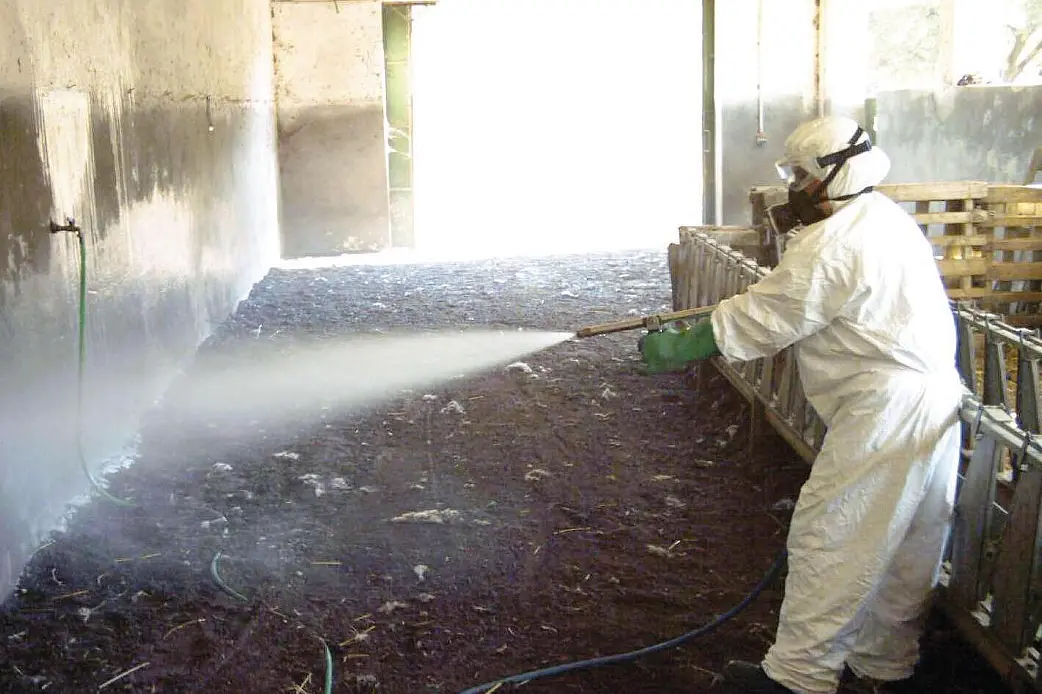
Sanitizing a sheepfold (Archive)
Per restare aggiornato entra nel nostro canale Whatsapp
The interdepartmental decree outlining the prevention and prophylaxis measures against bluetongue (catarrhal fever) for 2026 was signed this evening. The aim is to protect the island's livestock and contain the spread of the disease.
The measure, adopted by the Department of Hygiene and Health in conjunction with the Departments of Agriculture and Environmental Protection, introduces a comprehensive system of interventions integrating a vaccination campaign, biosecurity measures, and actions to combat the vector insect. A key element of the measure is the prophylactic vaccination program, aimed at sheep farms in the region, with vaccines made available free of charge by the Region through the Experimental Zooprophylactic Institute of Sardinia. Vaccination will focus on adult sheep and replacements for the BTV3, BTV8, and BTV4 serotypes.
Starting this year, vaccinations may also be entrusted to company veterinarians or independent professionals appointed by farmers, coordinated by the veterinary services of the local health authorities. To ensure maximum effectiveness of the control measures, the campaign must be completed by July 2026, thus anticipating the peak activity of the vector. Alongside vaccination, the decree strengthens direct prophylaxis measures, which are essential for reducing the risk of virus transmission.
Among the main actions envisaged are: eliminating stagnant water and mud, which are favorable habitats for the vector's development; protecting shelters with mosquito nets and insecticide treatments; improving hygiene and sanitation on livestock farms; and using repellents on animals. Regarding compensation, the measure stipulates that access to reimbursement for damage caused by the virus is conditional upon adherence to the vaccination program and the adoption of farm biosecurity measures. On the operational and technical front, the Experimental Zooprophylactic Institute of Sardinia is responsible for the procurement, storage, and distribution of vaccines, as well as diagnostic and scientific support activities. The Regional Veterinary Epidemiological Observatory provides risk analysis and epidemiological monitoring, contributing to intervention planning.
The local health authorities (ASL) will ensure operational coordination and oversight of activities, while the Laore Agency will inform and raise awareness among farmers, encouraging the adoption of the preventive measures required by the decree. The measure will be published in the Buras (Regional Publications Office) and will be valid for the entire year 2026.
(Unioneonline)