

Brotzu without air conditioning: an oven (almost) the entire hospital, even the escalators blocked
The problem that emerged Tuesday evening hasn't been resolved: departments, patients, and workers are left in the heat. The CGIL union urges the company to provide explanations.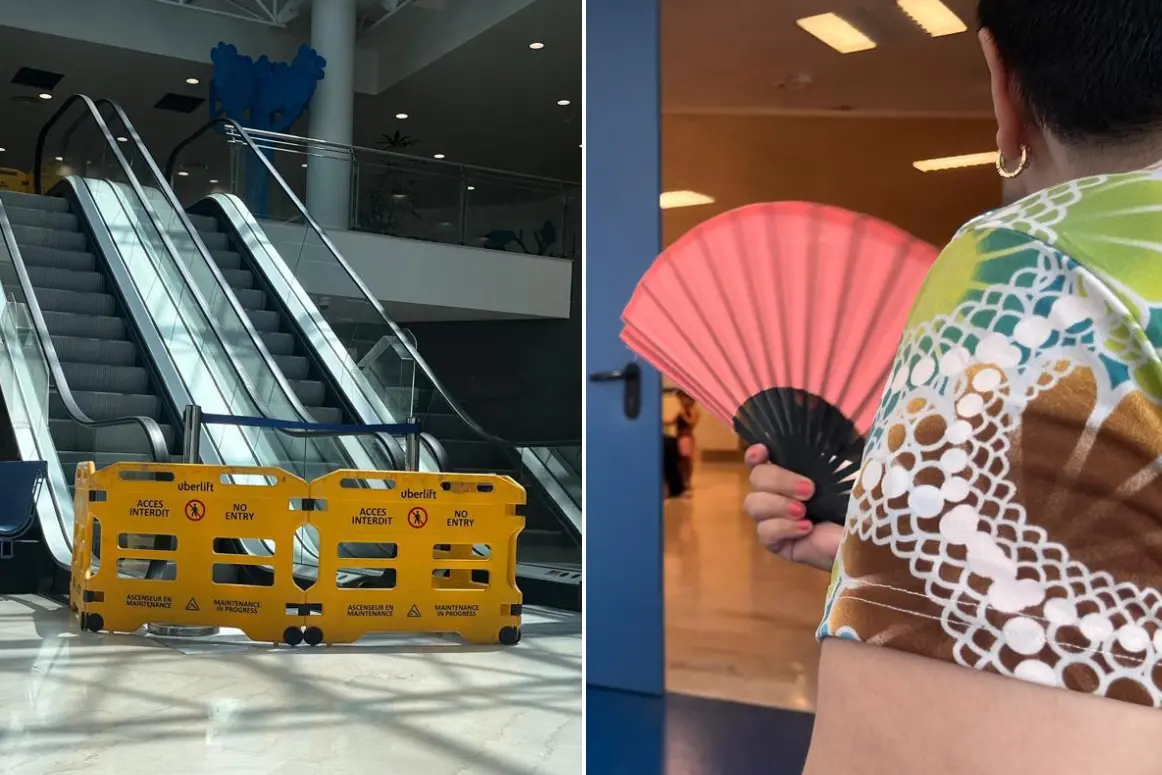
Per restare aggiornato entra nel nostro canale Whatsapp
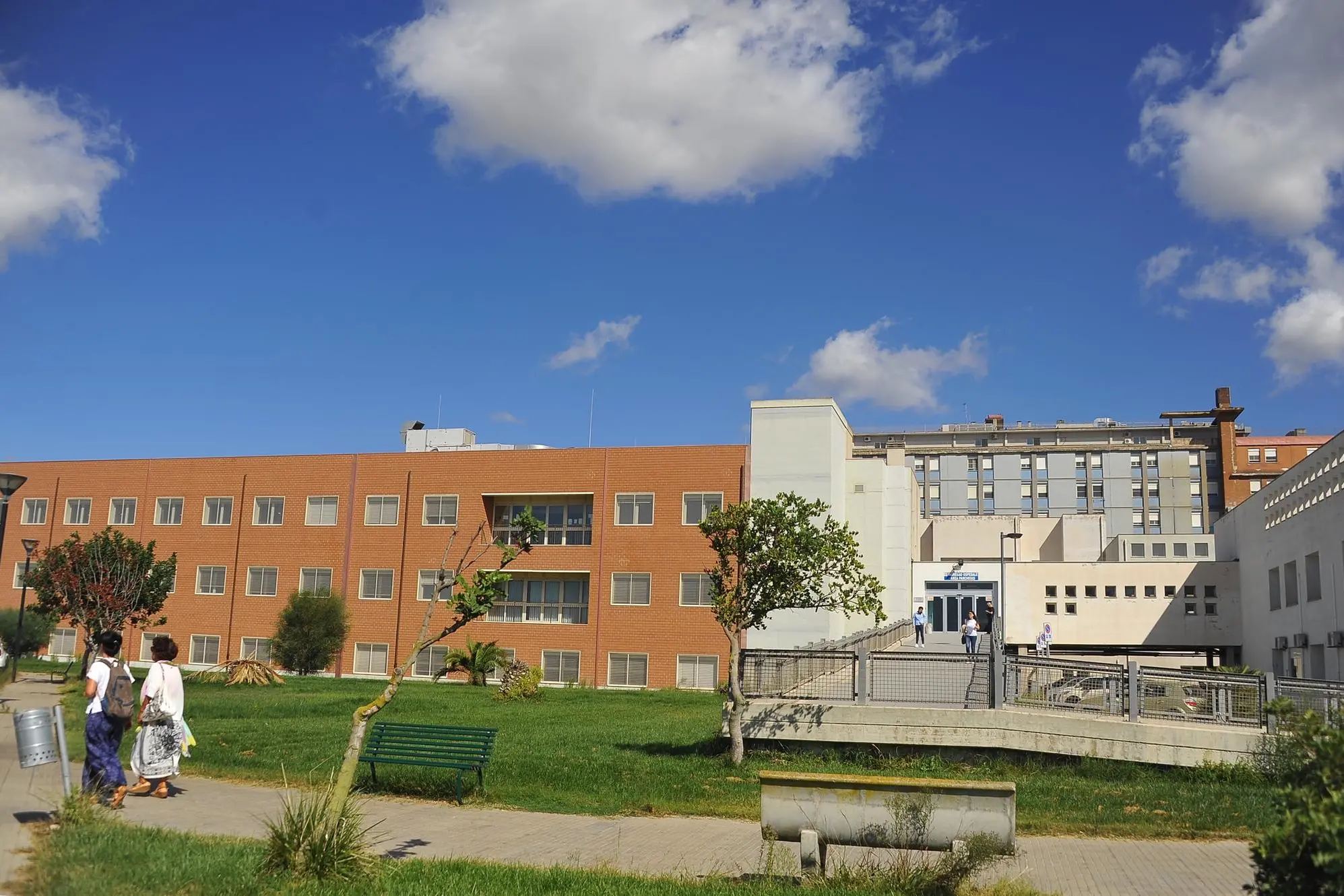
The hospital hoped to have the situation resolved by midnight yesterday. Instead, Brotzu remained without air conditioning all day today. The heat reigned supreme throughout (almost) the entire facility. In the wards up to the tenth floor, for sure. But in some offices, the air conditioning was still running normally.
The problems began yesterday afternoon. Hospital management announced that "due to a sudden failure of one of the refrigeration units, chilled water production capacity is reduced and insufficient to ensure normal cooling for the entire hospital." It was confirmed that the technical service, "with the support of the company awarded the maintenance contract," was "committed as a matter of urgency to diagnose and repair the affected refrigeration unit, in order to restore optimal operating conditions as quickly as possible." Meanwhile , "it was necessary to temporarily deactivate the power supply to the building's fan coil units, reserving chilled water production for the operating rooms and other priority areas."
Perhaps among the "priority" areas were some offices on the first floor, which this morning enjoyed favorable weather. The perceived (and actual) temperatures varied across all wards. Among the patients' relatives, the most popular object was the fan: many women used it to stir the air. The air, however, circulated. But only because the windows had been opened and, as luck would have it, a light northwest wind was blowing. In the rooms, however, there was no sign of any refreshment: the same was true on all floors.
Moreover, it's clear right from the entrance that something is wrong with the technological systems of Sardinia's most important hospital: in addition to the heat, you're also dealing with jammed escalators.
"We urgently request information regarding the air conditioning system failure at San Michele reported to us by workers," wrote Carlo Marras, public health coordinator for the CGIL-FP, in a letter to ARNAS management. The ongoing malfunction, he argued, "is causing the rooms to overheat, exposing patients and staff to serious health risks and making working and hospitalization conditions even more critical. We therefore request information on the actual condition of the systems, whether any areas or offices are functioning, and how and when the administration intends to intervene to resolve this dangerous situation."
Given the previous breakdown at the Businco, the union representative adds, "we also ask if any checks have been carried out to plan any technical interventions and avoid having to be in a constant state of emergency."