

Blockades, stretchers everywhere, endless waits, and suffering: the hell of Cagliari's emergency rooms.
By the end of 2025, the emergency system is collapsing. Cugliara (FIALS): "At the top, they're talking about appointments. Down below, the people, workers and patients, can't cope anymore."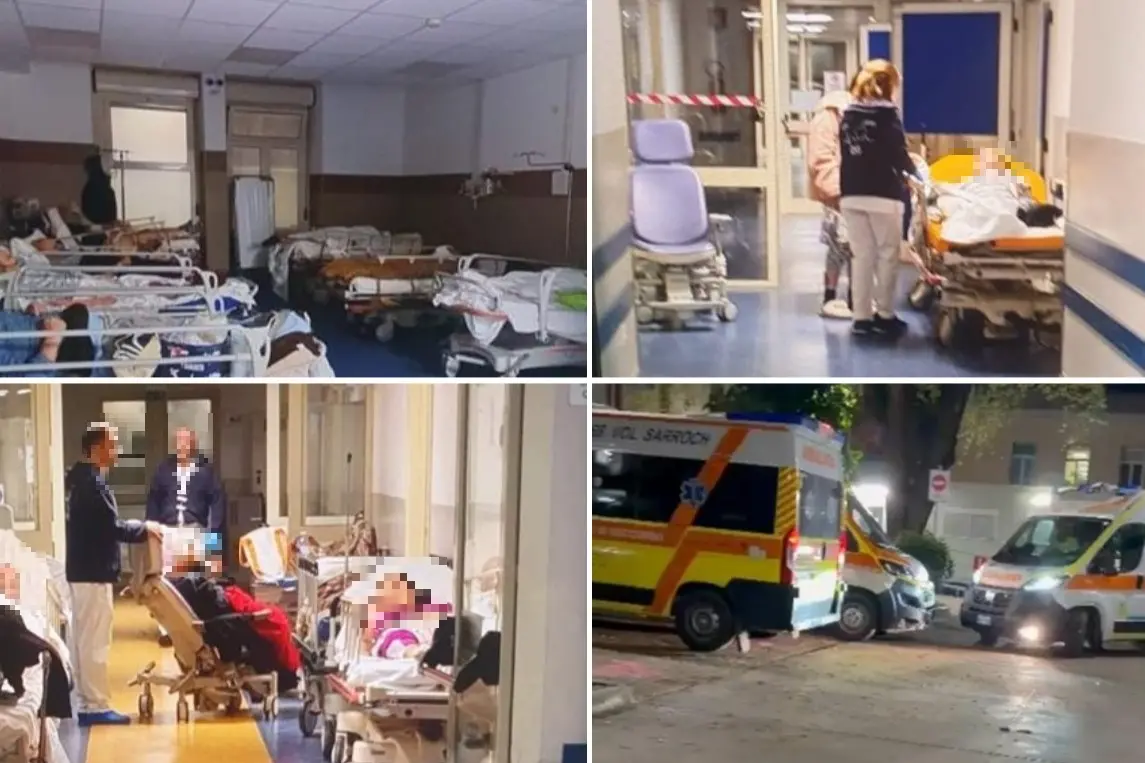
Per restare aggiornato entra nel nostro canale Whatsapp
Emergency services should be ready. Quick, rapid, and ready to deal with emergencies. From there, patients who can't go home should be transferred to hospital wards, depending on their condition or injury. Instead, Cagliari's emergency rooms (precisely) are closing in on hell in 2025. With technical obstacles preventing patients from being admitted, dozens of patients parked on stretchers in the corridors for days, suffering, emergency responders (taken off the streets) forced to work alongside staff because the stretchers used inside are theirs. And doctors, nurses, and healthcare assistants are doing what they can. But they're few. And it's not enough.
"At the top, there's squabbling over appointments after a reform attempt that proved disastrous. At the bottom, where the ordinary people who are suffering and those who work are living, we're at the point of delirium." This blunt analysis comes from Paolo Cugliara, provincial secretary of FIALS. He represents the workers forced to remain silent—to avoid disciplinary proceedings—who are dealing with a system that has fallen apart.
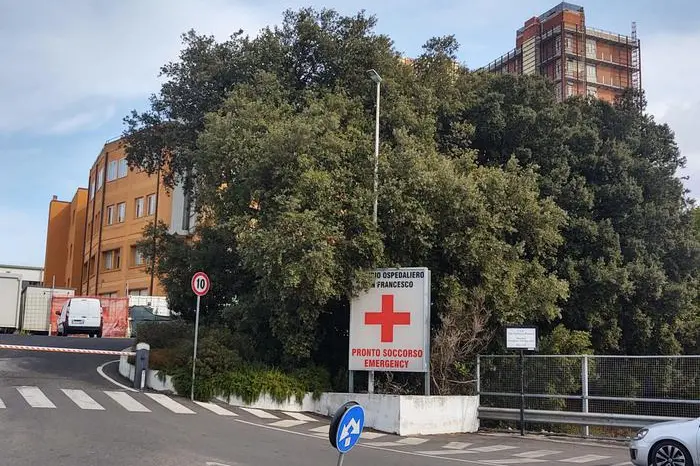
Disturbing stories are coming in from the Holy Trinity: listening to those who work in the emergency department at Is Mirrionis, "it feels like we're back in the Covid era." Yesterday , "there were beds everywhere, people forced to sit on chairs. Lunch was served to 19 patients." This means the emergency room has been transformed into an inpatient ward: something it shouldn't be. After triage, you have to wait outside for up to 12 hours, perhaps in an ambulance, in the cold. But when you enter, it's not time for a visit: you're cared for, doctors and nurses rushing from one place to another. However, there's no question of hospitalization: there are no beds in the wards.
At Brotzu, scheduled interventions were carried out last night: due to a power outage, the 118 operations center was informed that only emergencies would be available from 9:00 PM yesterday until 1:00 AM. All other patients were diverted to the other two active facilities.
There was also the Policlinico in Monserrato. There, like at Is Mirrionis, the "deluge" of ambulances and patients arriving independently began. Often, patients from across the province didn't know who to turn to, between family doctors on vacation (or nonexistent) and on-call doctors (the surviving ones) who couldn't handle the impact and diverted everyone to the hospital. At the Duilio Casula Hospital, too, overbooking was the order of the day. And just two red codes were enough to ruin everything and extend the (initial) waits by hours and hours.
Another consequence? "Around 1:00 a.m., there were about 25 interventions queued up," reveals a seasoned first responder. That is, 25 calls to 118 requesting help went unanswered because the crews were held hostage in the hospital. As were the patients and their relatives. The collapse at the end of the year.