

Ales-Terralba, serious housing emergency: Caritas of the diocese reports.
Approximately 50% of people in financial difficulty also experience housing problems due to the inability to pay the rent.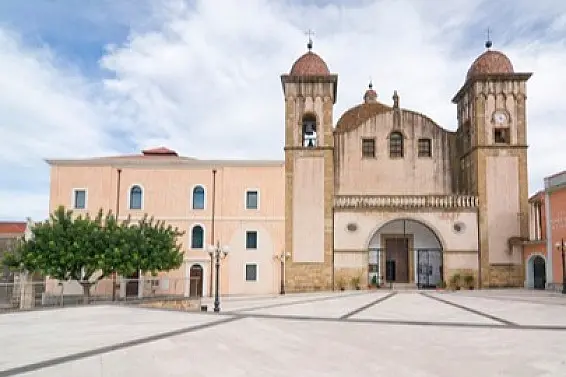
Per restare aggiornato entra nel nostro canale Whatsapp
In the 39 municipalities of the Diocese of Ales-Terralba, with only 1,500 social housing units, there is a real housing emergency . This is the alarming picture emerging from the survey "A Street for Home," presented on the occasion of the Jubilee of Local Administrators. Many families face evictions, rents are unsustainable, but many homes are closed or vacant.
Based on the requests collected at 13 counseling centers, approximately 50% of people experiencing financial hardship also experience housing problems due to the inability to pay rent. The most significant figure concerns income: between 30% and 50% of families have annual incomes of less than €15,000, a sign of widespread poverty that is intertwined with housing needs.
Bishop Roberto Carboni, opening the meeting in Ales, recalled that "the lack of employment, depopulation, and the flight of young people make it even more difficult to change course in the already weakened inland areas. Today we are called to listen to the voices of those experiencing poverty and destitution, because turning a deaf ear to these needs leads to social imbalances that breed injustice."
The research provided unprecedented mapping, thanks to the cross-referencing of municipal and ISTAT data. Reports by Area officials Giulia Figus and Matteo Argiolas highlighted the role of social housing as an essential welfare tool, but this is not enough. The director of the diocesan Caritas, Marco Stazu, noted that "the situation in the diocese is evolving, but much remains to be done. We cannot reduce the issue to a real estate problem; we need to forge alliances between the public and private sectors, because closed and vacant homes can be opened up to negotiated rents. Households," Stazu emphasized, "live below the minimum income threshold, which indicates widespread poverty. On the one hand, we feel the inexorable depopulation, on the other, we struggle to find viable and humane solutions. The hope is that this investigation will lead to new strategies and synergies to address the housing issue and provide concrete solutions, centered on the common good and the dignity of the person."
On a technical level, the debate participants highlighted operational issues, such as the slowness of public housing tenders, which average ten years. A system capable of ensuring rapid turnover when the right to housing expires is needed. Furthermore, constant monitoring of closed or vacant homes is needed, which represent a wasted resource in an emergency context.