A dramatic season for Sardinian olive growing: production plummets, down 56% compared to 2022.
Companies on their knees, Coldiretti: "Urgent measures to support the sector are needed now."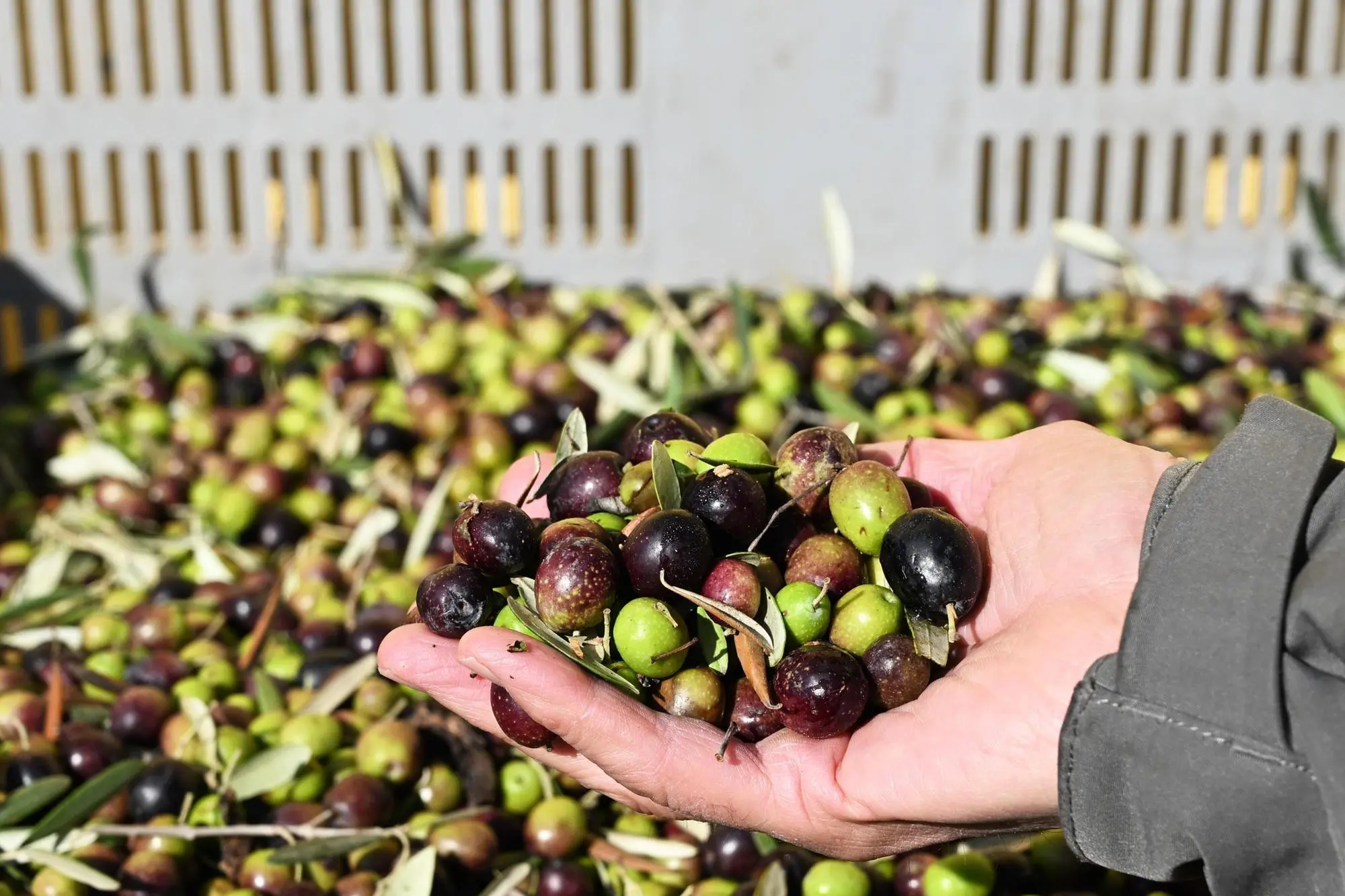
Per restare aggiornato entra nel nostro canale Whatsapp
The Sardinian olive growing season continues to be dramatic : according to Coldiretti Sardegna , production has dropped by more than 43% compared to last year and by as much as 56% compared to the 2022/2023 season , which had seen good harvests. The result is clear and devastating: fewer olives and less oil for consumers, and less income for companies forced to cope with a significant reduction in turnover. Coldiretti emphasizes how this combination brings the need for urgent interventions to support the sector back to the forefront of the debate.
Precisely in light of the situation experienced during the olive oil campaign, Coldiretti had already urged the Sardinia Region to implement all necessary measures to address the emergency affecting the sector. Specifically, it requested formal recognition of the adverse weather event that affected the entire 2025/2026 olive oil production campaign across the region, so as to activate extraordinary support tools for companies affected by the significant production losses . Among the requests put forward is the activation of the tools provided for by national legislation regarding natural disasters , starting with Legislative Decree No. 102 of March 29, 2004, alongside specific regional compensation measures. Coldiretti therefore reiterates the gravity of the situation and the urgency of concrete interventions to support olive oil companies, and is available to provide further useful information for a full assessment of the situation.
Olive oil harvest data reveal the extent of the crisis . While in the 2022/2023 season, Sardinia produced 43,711 tons of olives, with an average yield of approximately 1.08 tons per hectare on an olive-growing area of 40,557 hectares, this year production stalled at 19,061 tons, dropping the average yield to 0.46 tons per hectare. This drastic decline is also reflected in oil production.
These figures confirm a negative trend, exacerbated by adverse weather conditions, which is putting pressure on the sector, including the more than 1,000 companies belonging to APOS. APOS represents a benchmark for the Sardinian olive oil sector, both financially and organizationally, with a turnover exceeding one million euros, confirmed for 2025. Apos recently renewed its leadership, reaffirming its overall confidence in President Antonello Fois, Vice President Alessandro Ibba, and the entire board of directors. This decision reinforces the work already underway, under the banner of continuity and the good work that has allowed Apos to support companies and keep the supply chain united even during the most challenging times.
(Unioneonline)