

From energy to food, Sardinian families are being hit hard: "In one year, spending increases by 800 euros."
Adiconsum analysis: price increases on food, electricity, gas, and fuel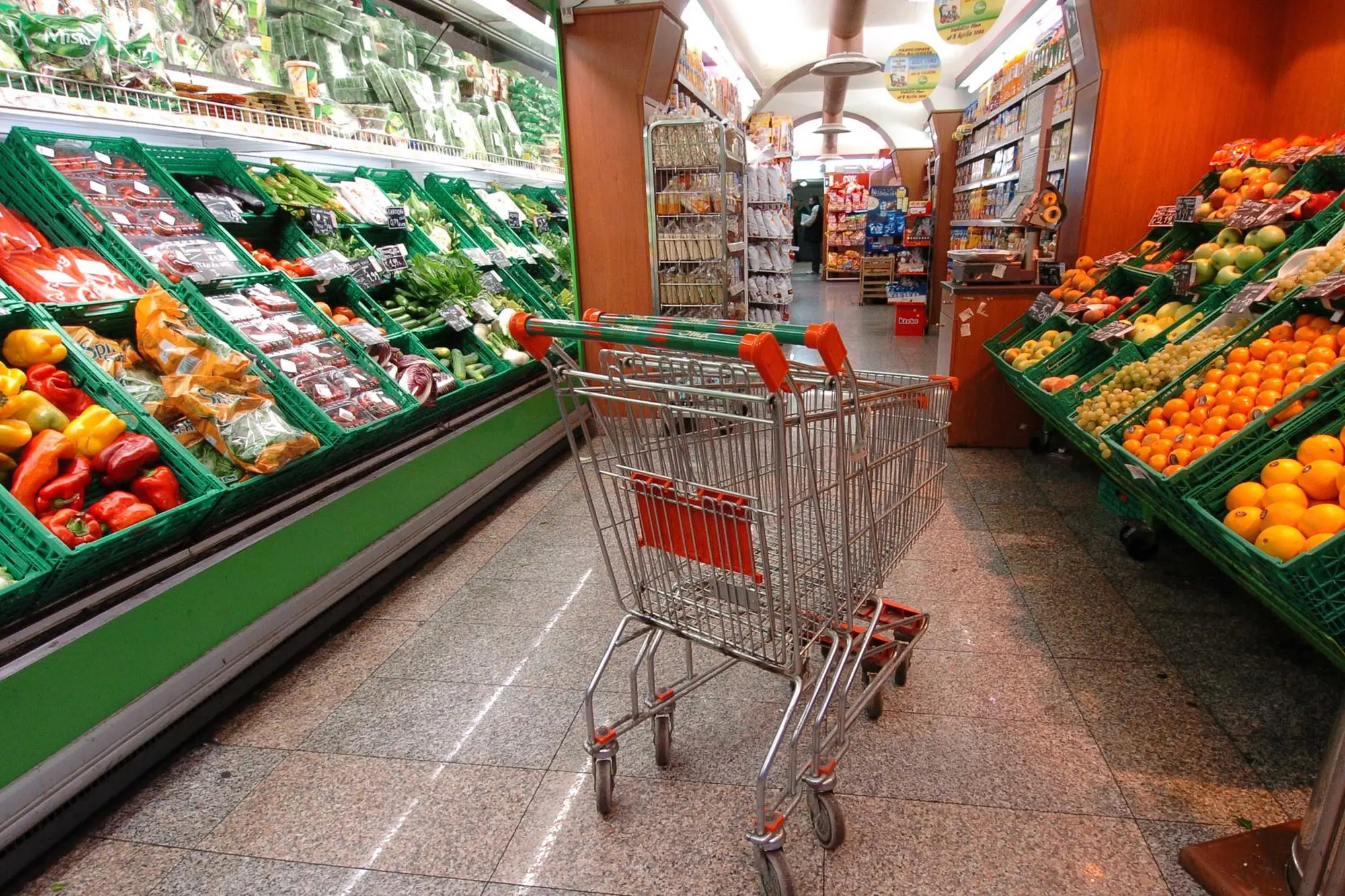
Per restare aggiornato entra nel nostro canale Whatsapp
In Sardinia, retail prices, especially in the food sector, are rising more than the national average, with the war in Iran causing, at current price levels, a blow of around 800 euros per year per family .
The data comes from Adiconsum Sardegna , which raises the alarm on the effects of the conflict in the Middle East on Sardinian citizens.
"In Italy, the average inflation rate in April stood at 2.7% , but analyzing ISTAT data for Sardinia reveals that prices are moving at a faster pace on the island," explains President Giorgio Vargiu . "April inflation, in fact, reached 2.9% in Sassari and 3.1% in Olbia-Tempio. Only Cagliari stands out, with a rate of 2.6%, slightly lower than the national average."
"But the trend in food price lists is especially concerning: while food and beverage prices in Italy increased by 2.9% year-on-year in April, in Sardinia they increased by 3.2% in Cagliari, 3.8% in Sassari, and even 4% in Olbia," Vargiu reports. "The increase in transportation costs caused by the high diesel prices is felt more strongly in Sardinia than in the rest of Italy, pushing up the prices of transported products, especially fresh products like food, which, as is well known, are transported by road. But the risk is that speculative activity, exploiting the current crisis to implement unjustified price increases, will also play a major role in price trends . "Electricity, gas, and other fuels" also saw sharp increases: +5% in Cagliari, +6.7% in Sassari, +6.8% in Olbia-Tempio."
The consequence of rising inflation is a blow for consumers : based on estimates by Adiconsum Sardegna, considering the annual consumption expenditure of a resident family, the increase in expenditure caused by the war in Iran is approximately +800 euros per family, without considering the possible depressive effects on citizens' consumption.
(Unioneonline/AD)