

Scam calls from call centers: Antitrust fines five companies
They pretended to be bill assistance centers or other "regulatory" entities and offered bogus contracts for energy and telephone services.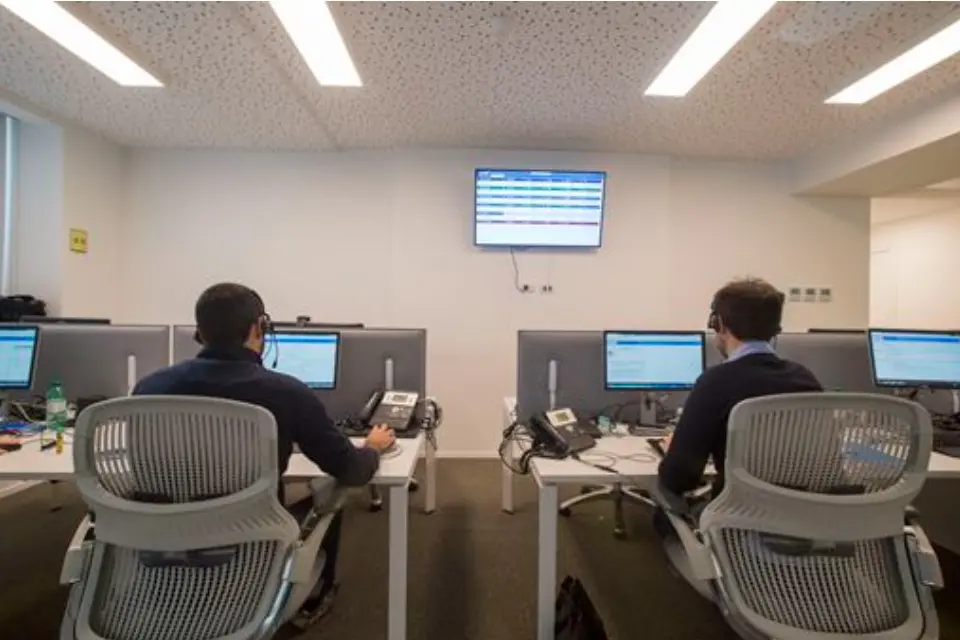
Per restare aggiornato entra nel nostro canale Whatsapp
They contacted consumers to offer energy and telephone contracts, based on misleading information about the caller's identity, the purpose of the call, and the affordability of the commercial offers proposed. Specifically, "teleselling methods took various forms, all sharing the transmission of non-transparent, omitted, or false information."
For this reason, the Italian Competition Authority has imposed fines of over €500,000 on call center companies that promote the conclusion of contracts in the energy sector (Titanium Srl and Fire Srl; J.Wolf Consulting Srl) and in the telecommunications sector (Nova Group Srl and Communicate Srl; Entiende Srl). Specifically, the fines are: €160,000 jointly and severally to Titanium Srl and Fire Srl, €120,000 to J.Wolf Consulting Srl, €80,000 to Nova Group Srl and €40,000 to Communicate Srl, and €120,000 to Entiende Srl.
In the energy sector, in particular, it was discovered that call center operators presented themselves as employees of regulatory and control authorities or of a "bill assistance center" and informed consumers of alleged increases imposed by the regulation or alleged anomalies (double activation of supplies on a single user or difficulties with switching), in order to induce them to enter into a new supply contract.
In the telecommunications sector, however, call center employees claimed to work for the technical or administrative department of the current provider and falsely warned of imminent service disruptions or the expiration of the current contract rate and the application of price increases by the called user's provider. The call center employees claimed that the problems could be avoided by activating a new plan with a different operator under particularly favorable contractual conditions, which later turned out to be false.
This conduct, the Antitrust Authority explains, "has been found to affect consumers' freedom to make an informed and informed choice of supplier, altering their ability to evaluate the suitability of offers through the provision of inaccurate information, in violation of Articles 20, 21, and 22 of the Consumer Code."
Enrico Fresu