Journalists' strike on March 27 and April 16, according to press releases from Fnsi and Fieg.
Clash over employment contract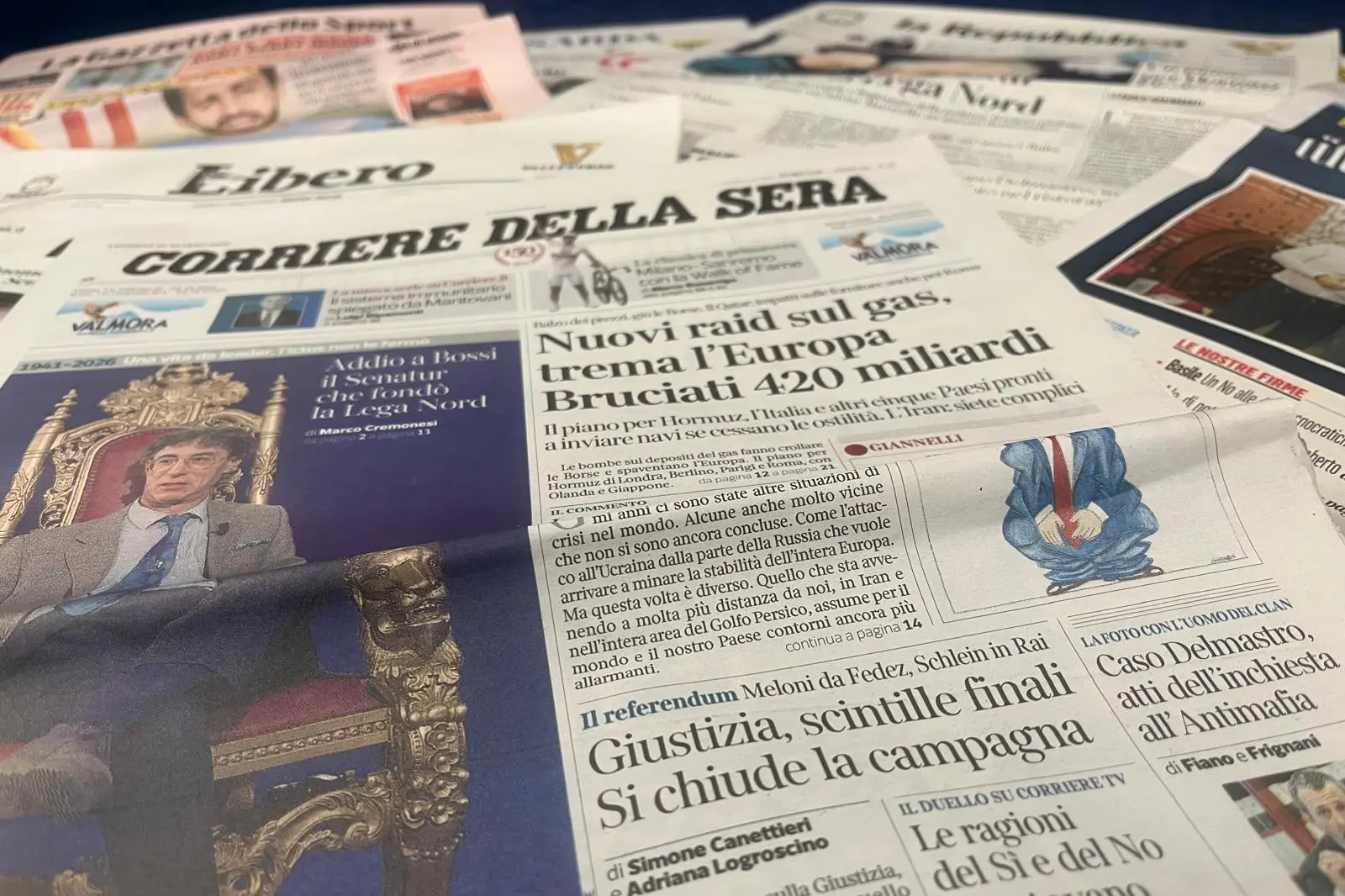
Per restare aggiornato entra nel nostro canale Whatsapp
Journalists call for two days of strike.
The press release from the FNSI (National Federation of the Italian Press)
Dignity. This is the slogan that is pushing Italian journalists to strike for another two days: March 27 and April 16. Yes, we want information to be recognized with the dignity it deserves and, above all, to be guaranteed a dignified future.
Today, this is not a given; on the contrary, it's true. Our employment contract expired 10 years ago, our salaries have been eroded by inflation and have lost 20% of their purchasing power. We are the only sector to have waited so long for renewal. There is a clear economic issue, and there is an equally clear question of the authority and independence of the press.
What publishers want to dismantle piece by piece is the very contract that the President of the Republic, Sergio Mattarella, has called "the primary guarantee of the freedom of Italian journalists." This is the bond between our fundamental economic demands and the freedom of information that citizens, readers, viewers, and web users must demand in order to be free themselves. Publishers pocket millions of dollars from the government (both this and previous ones), but invest little in their companies or in strengthening professional information. Instead, they send 62-year-old employees into early retirement, pay incentives for other types of departures, empty newsrooms, and resort to low-paid freelancers and self-employed workers. They reject basic rules for the use of Artificial Intelligence, evidently ready to replace journalists, the true core business of information. They pretend to ignore the law that requires them to pay journalists for editorial content sold by companies to so-called Over-the-Top (OTT) providers, i.e., large companies that provide content and services online. They would like the journalists of the future to be paid even less than today and to pave the way for the exploitation of freelance workers, so much so that at the fair compensation table, before the government, they formulated a proposal even lower than the one rejected in 2016 by the Council of State.
For all these reasons, we are striking again. We do it for ourselves. For our dignity. For our future. We do it for you, and for our and your freedom as citizens. Let us ask ourselves how free a journalist forced onto the information assembly line is; how much a paid pieceworker can maintain his or her balance; how serene an editor will be who can no longer count on essential contractual protections. Ask yourselves if you would still like to get your information from the pages of those newspapers, listening to those news programs, scrolling through social media and the online pages of those outlets.
The press release from the Italian Federation of Newspaper Publishers (FIEG)
The FIEG editors note that we are dealing with a national labor contract anchored to business models that no longer exist and that guarantees privileges that are no longer sustainable, such as the payment of former holidays abolished 50 years ago or the automatic percentage-based pay that, moreover, have largely protected journalists from the effects of inflation.
This is why the union has refused to address either the overall modernization of the contract (which would indeed be essential as a competitiveness tool) or the introduction of more flexible rules to encourage the hiring of young workers, preferring instead to limit itself to purely financial demands. And on the issue of collaborators, the FIEG has consistently expressed its desire, including in the appropriate institutional forums, to improve existing rules and compensation. It is worth remembering that early retirement has been implemented precisely to protect employment and prevent layoffs, and this has always been done with the consent of the union, which has signed up to all the crisis situations.
Despite the union's lack of willingness to innovate the contractual provisions in any way, the publishers have repeatedly made—with the contract unchanged and not "dismantled"—a financial offer that is higher than the last renewal and appropriate for the industry. They reiterate that they will continue to do their part, investing in products and enhancing professionalism.