

Daylight saving time returns, turning the clocks back: "But there are too many negative effects."
Calls and petitions to abolish the seasonal change are growing. Experts and associations warn: "It has consequences for the environment, health, and even animals."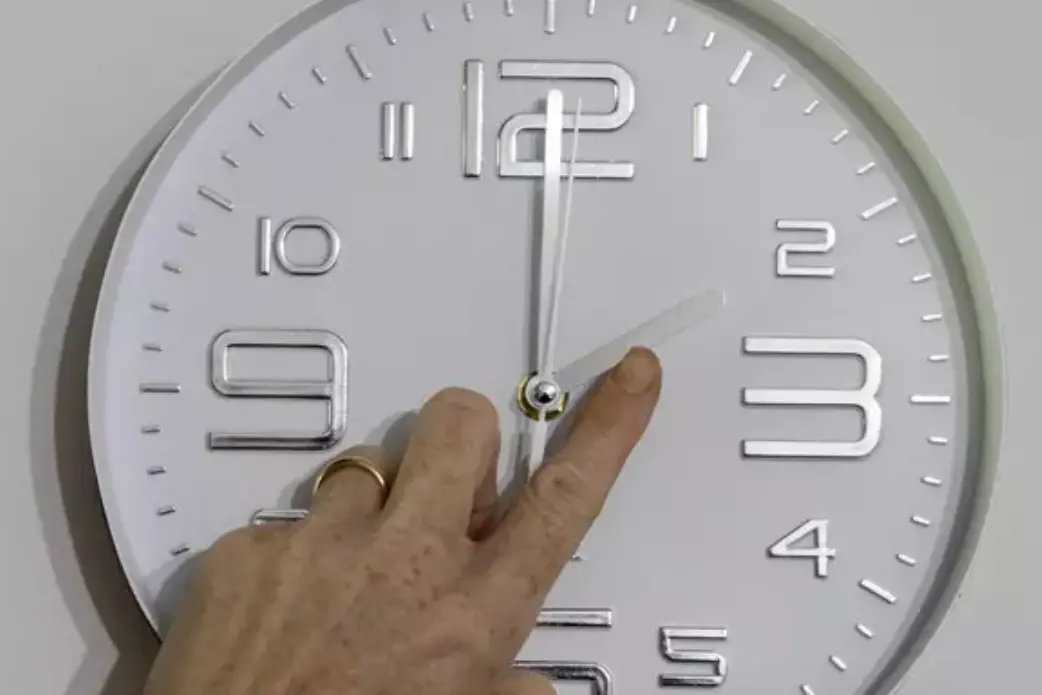
Per restare aggiornato entra nel nostro canale Whatsapp
On the night between Saturday 24th and Sunday 25th October, Italians will have to say goodbye to daylight saving time, with clocks being moved back one hour.
A pass aggio - the one from summer time to winter time and On the contrary—it's not painless, and according to estimates, it has negative impacts on health, energy, bills, the environment, and citizens' pockets. So much so that 360,000 Italians have already signed an online petition calling for daylight saving time to remain permanent year-round, while businesses, unions, retailers, and consumers unanimously agree on the need to eliminate the double annual time change.
The Italian Society of Environmental Medicine, which together with Consumerismo has launched a petition for permanent daylight saving time, points out, for example, that, on the environmental front alone, permanently maintaining daylight saving time would reduce climate-altering emissions by between 160,000 and 200,000 tons of CO2 per year, equal to the amount absorbed by planting 2 to 6 million new trees, and would also bring health benefits.
Negative effects of the change have also been reported for animals. While the return to daylight saving time means an extra sixty minutes of sleep for people, for dogs and cats it can disrupt their biological rhythms: mealtimes seem to arrive later, darkness falls earlier during walks, and their sleep-wake cycles can suddenly shift.
"Dogs and cats," explains Manuela Michelazzi, Veterinary Behaviorist, "don't associate time with numbers, but rely on circadian rhythms and the routines we, their owners, establish for them. When we suddenly set our clocks back an hour, we're served food at the usual time, but for a dog's biological clock, it's already later. This creates a real feeling of hunger and can translate into frustration or anxiety as they wait. It's not a whim, it's a genuine biological discrepancy."
(Unioneonline)