

The Washington-Tel Aviv Axis: Misjudgment or Strategy?
War against Iran could weaken the United States and strengthen Russia and China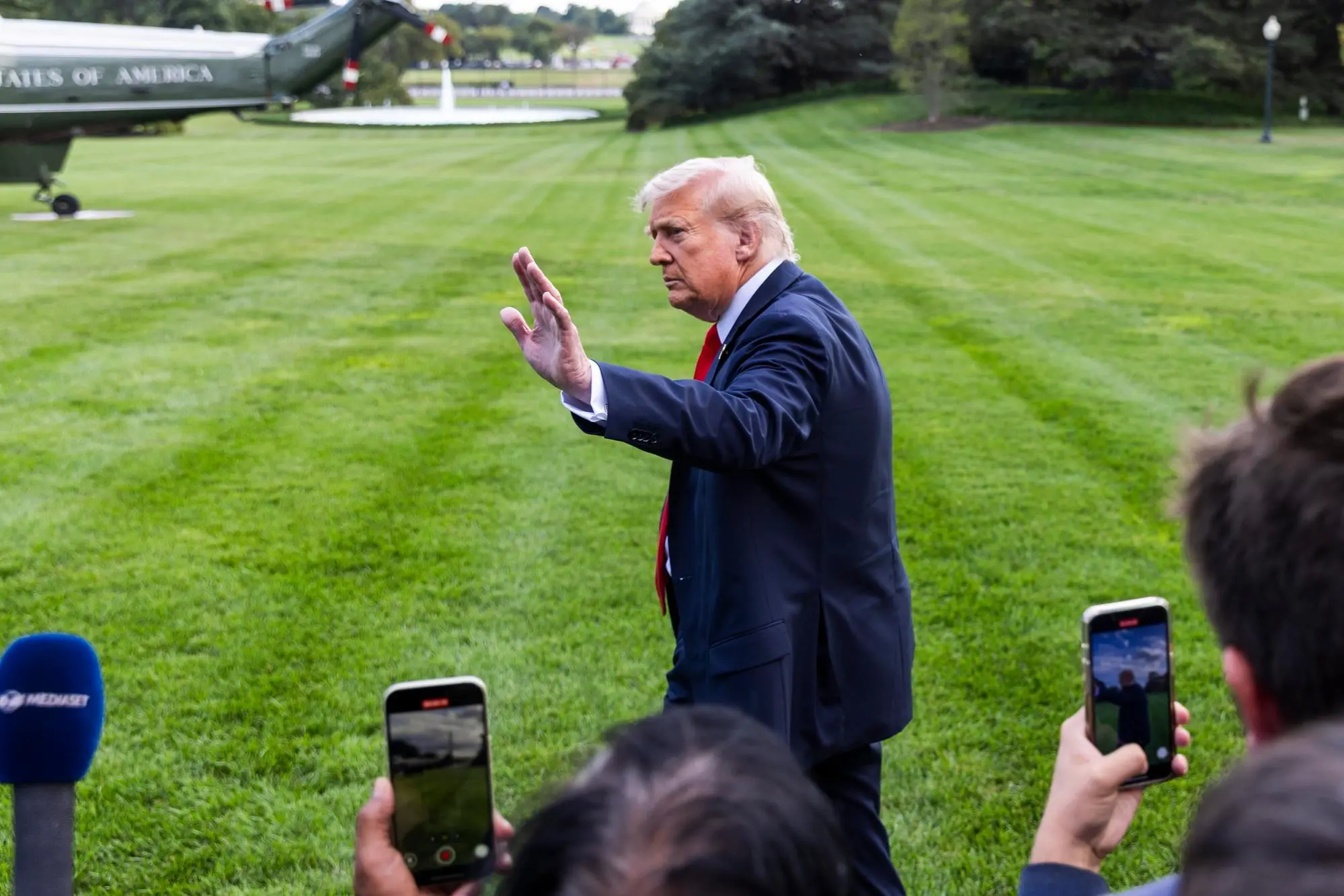
(Ansa-Epa)
Per restare aggiornato entra nel nostro canale Whatsapp
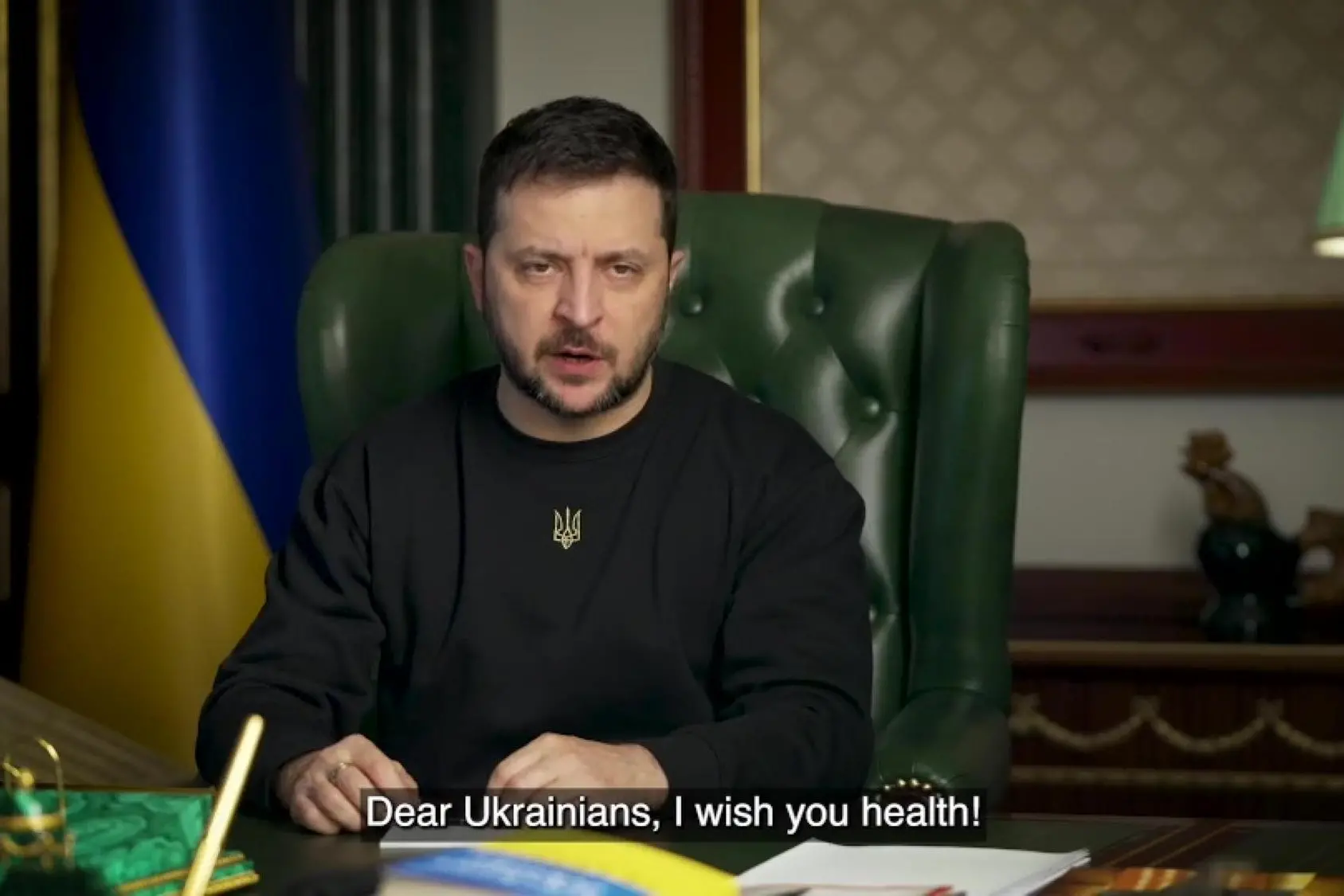
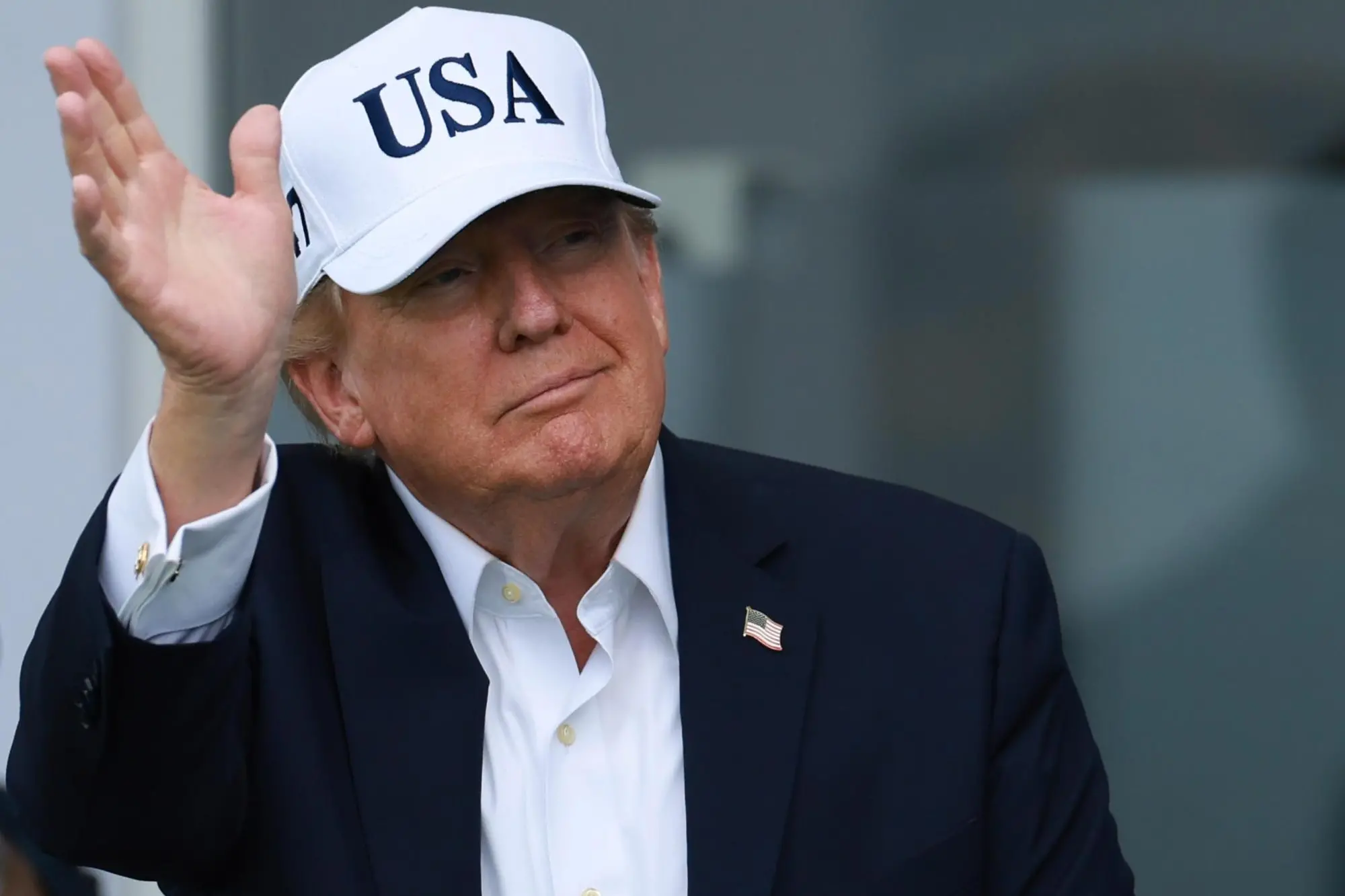
The axis between Washington and Tel Aviv against Iran for "supremacy" in the Persian Gulf could have the dual effect of weakening the former, surprised by Iran's reactive force in responding by striking neighboring Gulf countries and Israel, and strengthening, on the other front, Russia and China, which stand to gain everything from Donald Trump's apparent miscalculation, which has led to the oil price spike. Donald Trump's United States, with its military commitment on the Iranian front, would appear to be limiting (this is the impression one gets), as a direct and immediate consequence, arms supplies to Ukraine, with every imaginable repercussion and impact on the latter's military capacity, which, moreover, would also appear to be impacted by Viktor Orban's veto on the €90 billion European loan. So much so that it is very difficult to understand what the strategy, if any, of the Tycoon might be. His actions end up damaging not only his own internal interests (as the drop in consensus seems to attest to), but also those of his historic European allies, to the advantage of the Eastern superpowers, especially Russia at the moment, which could benefit from the rise in oil prices.
Right in the midst of these conflicts, the European Union finds itself, already strained by the economic repercussions of the Covid-19 pandemic and the Russian-Ukrainian conflict, which have resulted, among other things, in both a drastic reduction in Russian gas supplies and a surge in inflation, directly impacting producer and consumer prices. While such shocks had already been addressed through difficult and costly supply diversification efforts, the closure of the Strait of Hormuz, which until now has played a strategic role in global energy routes, has resurfaced all the fears for economic stability. What, then, should be the correct response to events that, in terms of their effects, appear to be part of American strategic irrationality? It would be illusory, at this point, to believe that the end of the ongoing conflicts will lead to a re-establishment of the status quo ante. And it would be equally illusory to believe that the cessation of existing conflicts could lead to the re-establishment of past alliances.
At this point, it would seem necessary to re-establish priorities, both as a European Union and as a Member State. Currently lacking adequate strategic energy autonomy, we risk being forced to be influenced by the "moods" of major global competitors, not least Vladimir Putin's Russia, from which, for several years, the European Union, and Italy, have sourced extensively. A paradox, some might exclaim. But so it is. In this sense, it is necessary to understand how the recent trip by Prime Minister Giorgia Meloni to the Persian Gulf, including Saudi Arabia, Qatar, and the United Arab Emirates, could prove useful for the country. Can it be defined as a diplomatic mission of high strategic value in terms of energy? Can it have any specific purpose?
What significance does this have on the international political and relational level? Well, the assessment could be ambivalent if different aspects are considered. Certainly, Giorgia Meloni's actions would seem, upon closer inspection, to reflect the strategy that seeks to make the Mediterranean the fulcrum of relations between the Gulf countries and Italy (while presumably without the European Union's full support, its medium- and long-term stability could be compromised), aiming to guarantee, in the short term, Italian energy supplies in a time of crisis. This is especially true when one considers that just a few days ago, a French-flagged container ship transited the Iranian-controlled Strait of Hormuz, reflecting a geopolitical and strategic position that is rather eloquent (or so it would seem) with respect to Donald Trump's actions. On the other hand, and this cannot be ignored, the Old Continent as a whole, and not just its individual member states, is called upon to make a choice for the future that can free it from all forms of energy dependence, unless it wants to find itself in the position of having to submit to Russian supplies, which are less expensive than American ones.
For some time, commentators and experts have offered three possible solutions, encompassing the careful exploration of so-called fossil fuels both domestically and across Europe, and investments in renewable energy sources or nuclear power. The European Union must decide its own future with decisive and autonomous decisions, otherwise it risks being overwhelmed by superpowers rich in raw materials capable of influencing a potential new world order.
Giuseppina Di Salvatore