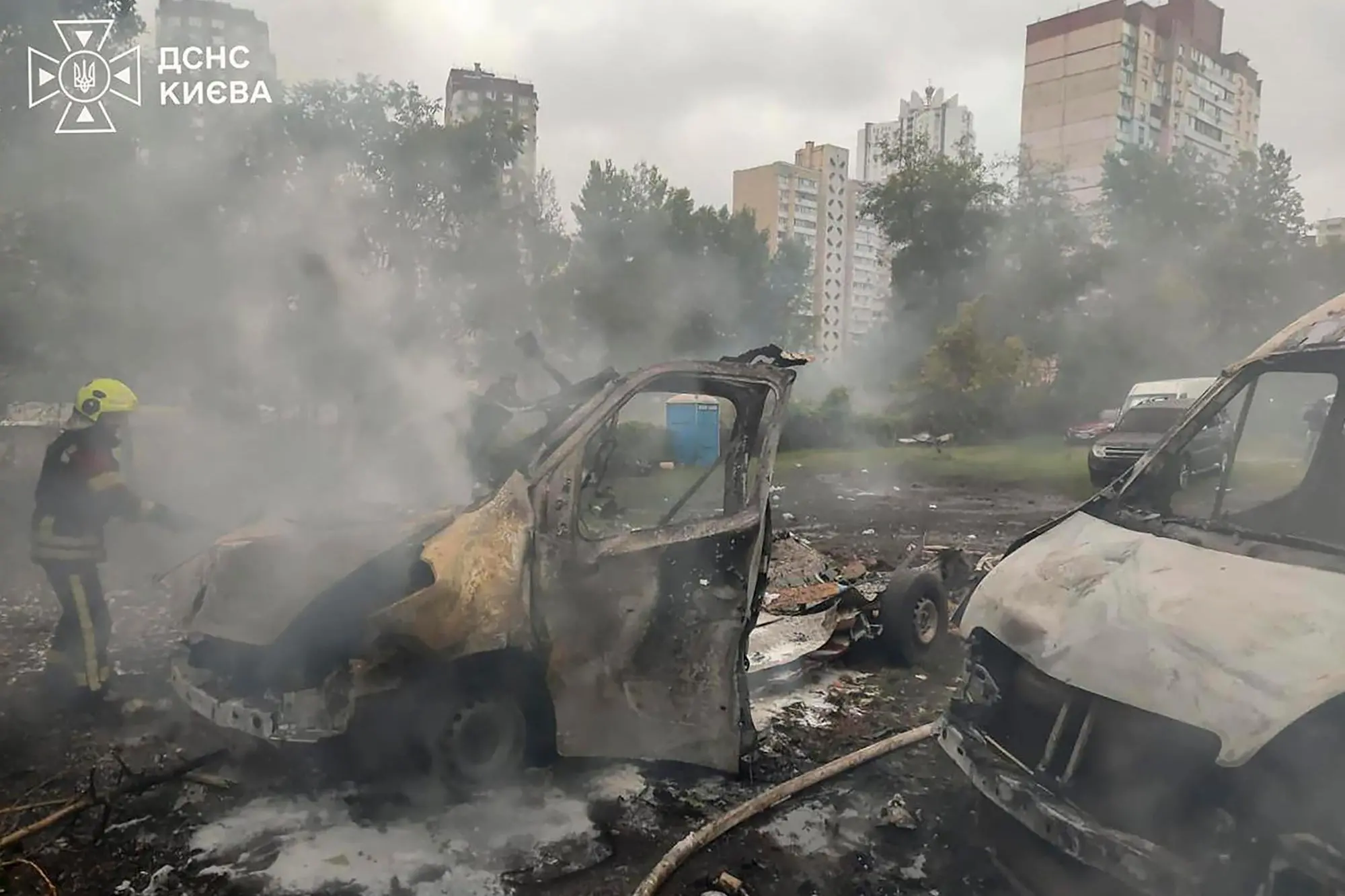
The Russian-Ukrainian conflict: between limited media coverage, widespread perception, and a pacifist culture.
The war between Moscow and Kiev, with all its ideological implications, seems to have almost taken a back seat compared to other international crises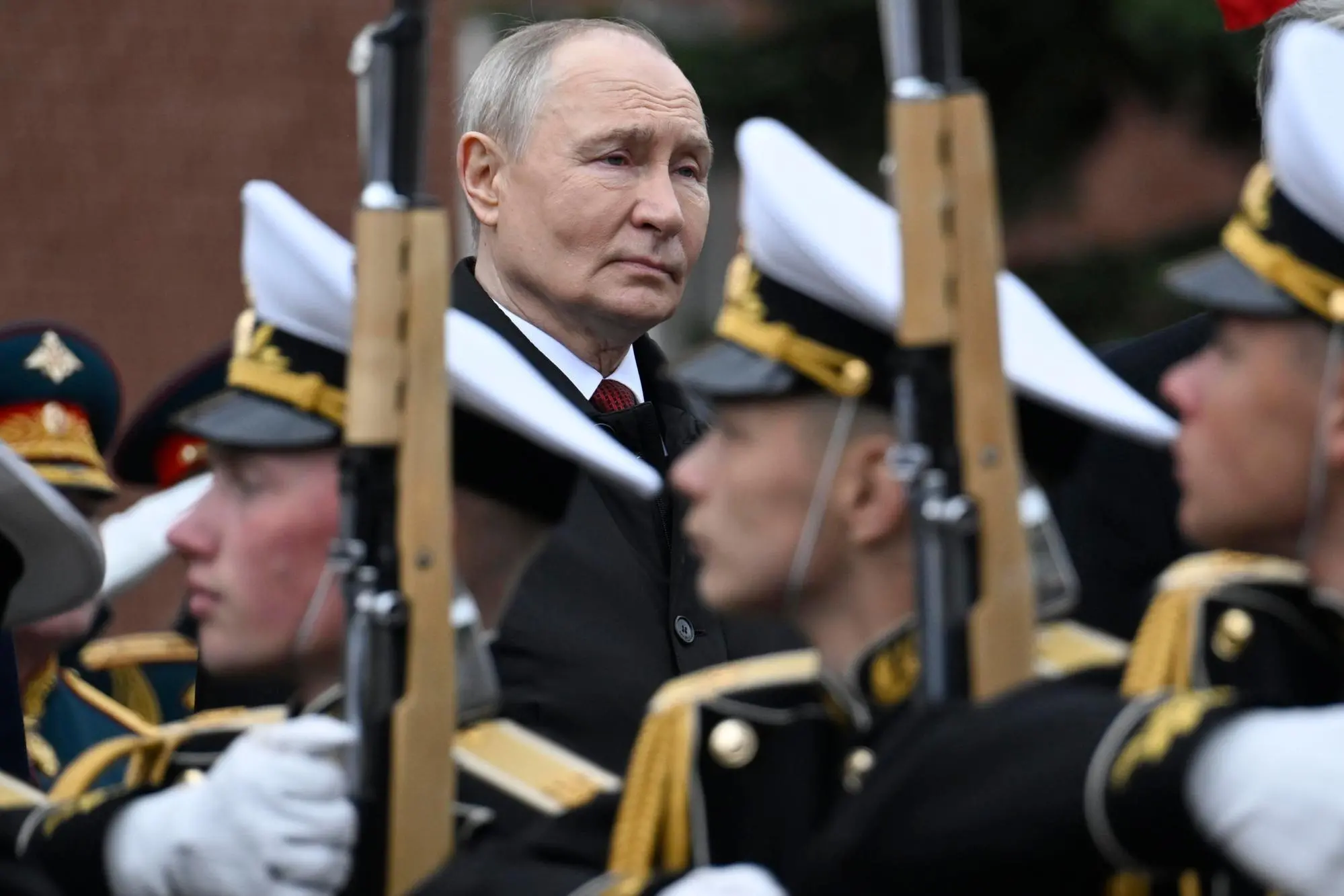
Per restare aggiornato entra nel nostro canale Whatsapp
On May 9, during the Victory Day military parade, Vladimir Putin declared that the conflict in Ukraine was coming to an end, simultaneously signaling an openness to negotiations with the European Union . Perhaps it was just an impression, but the Russian-Ukrainian conflict, which has now been raging for four years, was no longer being discussed. Or rather, with Donald Trump's inauguration, it seems to have ceased to be discussed with the centrality it had characterized the Biden administration's national and international public and political debate.
Giorgia Meloni's government fully embraced, and continues to embrace, the pro-Atlantic/pro-European stance of its predecessor, Mario Draghi, providing unwavering support to Ukraine. Something has changed, however, if not in terms of domestic political strategies, then at least in terms of the common perception, which inevitably ends up influencing political dynamics. It would be hard to deny it: the feeling that the Russian-Ukrainian conflict, with all its ideological implications, has almost faded into the background seems widespread.
All things considered, negotiations appear to be stalled, stuck on Russia's demand that Ukraine cede (so to speak) the portion of Donbas still under its control. For Moscow, this issue is a prerequisite for resolving the conflict, while Kyiv, for its part, appears more interested in ending the fighting without having to cede the territories it still controls .
It's no secret to anyone: international media attention, and Western media in particular, has in fact, perhaps inevitably, focused on other events, such as the conflict in the Middle East, with the closure of the Strait of Hormuz and all its consequences for the global economy. The progressive American disengagement has reignited the debate over European strategic autonomy, making the war, or rather, wars, a watershed moment, a historic and unavoidable transition for the entire continent in the face of a new, still very undefined world order that risks reshaping alliances and centers of power. It would be important to understand, on a contingent, day-to-day level, how the war in Ukraine continues to represent, albeit less visibly, a central factor for the European continent, and therefore capable, if indeed capable, of significantly influencing geopolitics.
In the context of a pacifist culture, such as that which characterizes the European continent, citizens would appear to exhibit weariness and concern over ongoing wars , and likely the common desire would be to favor diplomatic means and neutrality, also to avoid any potential escalation of ongoing conflicts. On the other hand, the rejection of the very idea of war would seem to represent the natural outcome of the long period of peace that the European Union has ensured over time and for several generations, imposing and ingraining in their education a peaceful grammar that is difficult to reverse. Perhaps the time has come for the ruling classes to acknowledge this.
Giuseppina Di Salvatore