

"Kiev attacked Putin's residence with 91 drones." Zelensky: "A typical Russian lie."
Trump: "I'm angry. This isn't right, this isn't the right time." But the Ukrainian president denies this.
Per restare aggiornato entra nel nostro canale Whatsapp
The agreement between Russia and Ukraine, which Donald Trump had announced just 24 hours earlier as "very close," appears to be foundering even before it has cast off, scuttled by a back-and-forth between Moscow and Kiev that bodes ill. Russian Foreign Minister Sergei Lavrov accused Ukrainian forces of launching a 91-drone attack on Vladimir Putin's residence in Novgorod, causing no injuries or damage, except to the talks that had laboriously reached "the final stage" under Donald Trump's aegis.
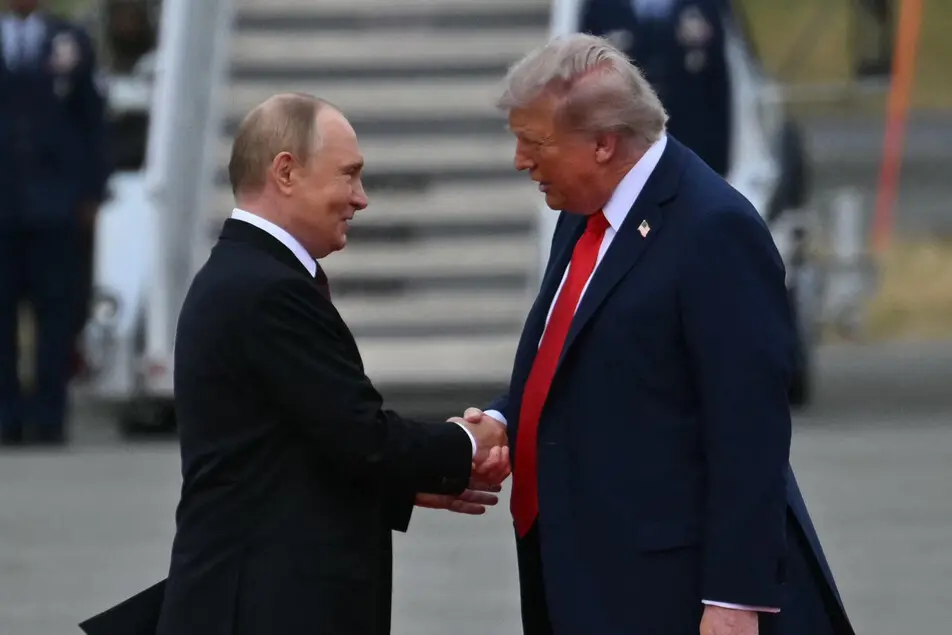
"A typical Russian lie," was Volodymyr Zelensky's response: "Ukraine does not take measures that could undermine diplomacy. Unlike Russia." Indeed, Moscow—which denies Kiev's denial—has already announced it intends to review its "negotiating approach" and has planned "a retaliation," which Putin informed Trump of in the anticipated phone call —judged "positive" by the White House—in which the American president was supposed to update the Kremlin leader on the previous day's talks at Mar-a-Lago, where "some thorny issues" remain.
According to the Russians, the "terrorist attack" in Novgorod occurred "practically immediately after" the Florida summit, and the tsar assured Trump that he would not be left without a response. "This alleged 'attack on the residence' is a pure and simple invention to justify further attacks against Ukraine, including Kiev," the Ukrainian president warned, recalling that Moscow has never stopped striking its capital, "including the Council of Ministers building." Now "Russia's position will be reviewed," warned Putin's advisor Yuri Ushakov, who, reporting on the conversation between the two presidents, described Trump as "shocked and outraged" by what had happened, and happy "not to have given Tomahawks" to Kiev.

"I heard it from Putin, and I'm angry. It's not good, it's not the right time," the tycoon later commented at a press conference with Benjamin Netanyahu. The Kremlin now expects the episode to "also influence the American approach to working with Zelensky" and for Trump to accede to Russian demands, starting with the rejection of a temporary ceasefire requested by the Ukrainian leader, partly to allow for a referendum on a possible peace agreement to be held within 60 days. According to Moscow, during the negotiations, the United States has also already "aggressively" pressed Ukraine to "adopt concrete measures for a definitive solution to the conflict" rather than pursue a truce.
Russia has also warned that it will "assess the end of the military conflict in the context of achieving its objectives." In the 20-point peace plan, on which there appears to be 95% agreement, the issues of Donbass and the Zaporizhia nuclear power plant remain unresolved. On the former, Moscow is calling for "the withdrawal of Ukrainian armed forces beyond the administrative borders" of the region almost entirely occupied by the Russians, while Kiev reiterates its view, with Zelensky reiterating the proposal that the Ukrainian people should decide "because it is their land."

On the second "unresolved issue," the disagreement lies with the United States, which is pushing for shared management of the plant between Ukraine, the United States, and Russia, something Kiev would like to rule out. According to Zelensky's account of the Mar-a-Lago talks, the agreement is "100%" regarding "strong security guarantees" from the US: "We are only discussing some details regarding the validity period," the Ukrainian president stated. Washington envisions a 15-year term, extendable, while Kiev considers this insufficient and would like protection from Russian ambitions for "30, 40, 50 years." This should be complemented by the presence of foreign troops on the ground, the "true guarantee of security that our partners are already offering us," Zelensky stated. At the beginning of the year, he will meet with European allies in Paris before traveling as a group to Washington to finalize the final points. This is assuming diplomacy can withstand accusations, threats, and new attacks on the ground.
(Unioneonline)