

US-Iran talks in Islamabad fall through, Trump extends truce "until a new proposal is presented."
According to some observers, it could be an indefinite ceasefire, which signals the president's desire to obtain an agreement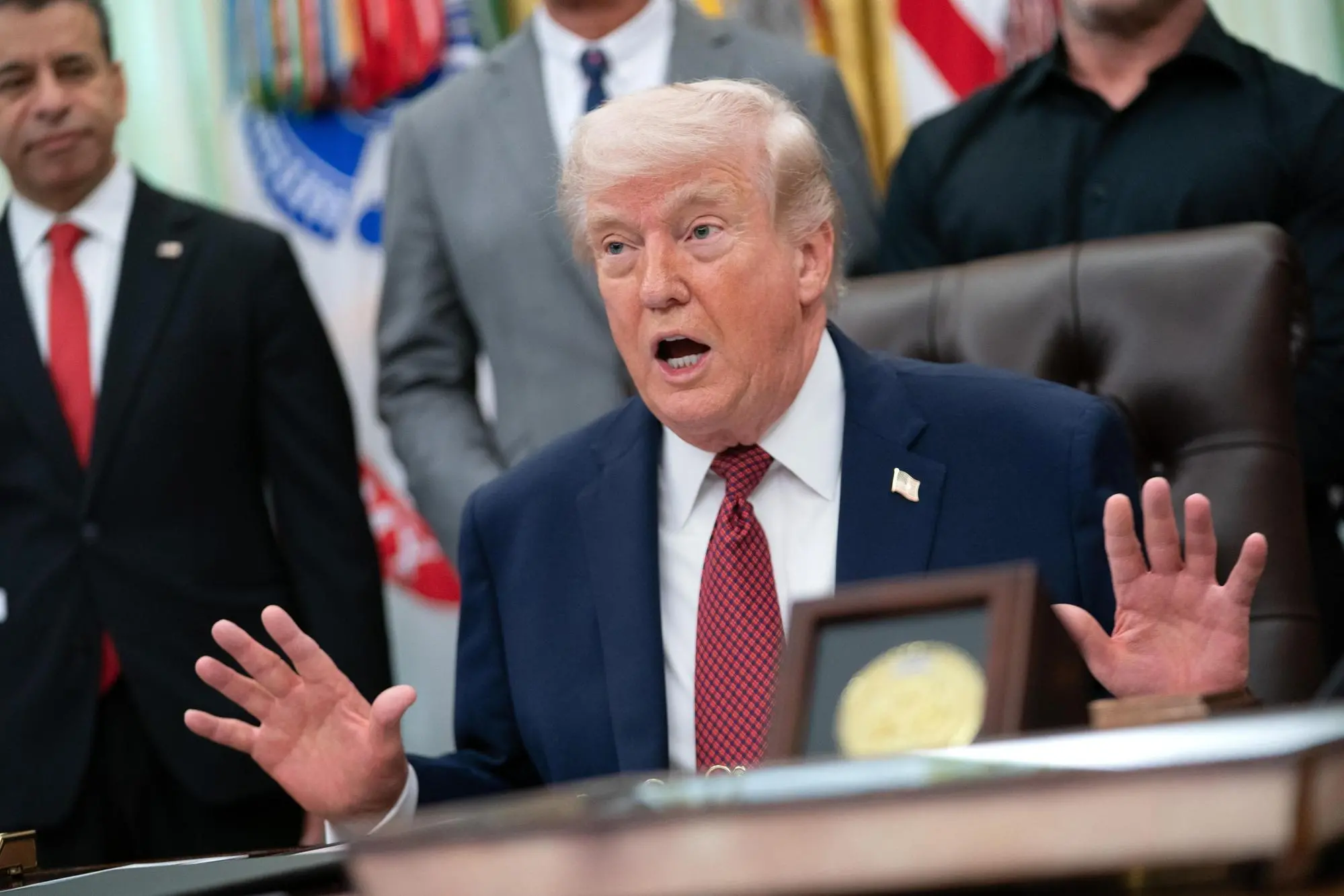
Per restare aggiornato entra nel nostro canale Whatsapp
Intercity buses, which have returned to Islamabad after days of total lockdown, threaten to dash hopes of an agreement between Iran and the US. While the Pakistani capital has maintained restrictions—including the red zone at the Serena Hotel—the diplomatic effort is in jeopardy: at the end of a day shrouded in uncertainty, Vice President J.D. Vance's trip to Islamabad—initially reported as only temporarily suspended—has been " postponed indefinitely ," Axios reports, citing US sources. Meanwhile, Iran's semi-official Tasnim news agency reported, citing regime sources, that Iran had decided not to participate in the talks on Wednesday, deeming them "a waste of time" because "in the messages exchanged over the past few days, the US has not backed down from its excessive demands" and "no significant progress has been made."
A message of hope came from Donald Trump , who, contrary to previous statements, decided to extend the truce, set to expire on Wednesday, until Iran's proposal is presented and "the discussions are concluded, one way or the other." Earlier in the day, rumors circulating in the American media had given renewed impetus to the diplomatic process to end the war, with Axios reporting that Ayatollah Mojtaba Khamenei had authorized the flight of his negotiating team to Islamabad. According to the AP, Pakistani mediators had received confirmation that the lead negotiators, Vice President Vance and Iranian Parliament Speaker Mohammad Ghalibaf, had confirmed their attendance at the talks.
As of Tuesday evening in Italy, Pakistani Information Minister Attaullah Tarar was still awaiting official confirmation of the Iranian delegation's arrival at the meeting. At the same time, the US vice president was reported as still in Washington, ready to participate in "further political meetings at the White House." a." And the flight from Miami carrying envoys Steve Witkoff and Jared Kushner to Pakistan also headed to the US capital, perhaps for meetings with Donald Trump. According to US media reports, the talks are being held in check by the intransigence of the Pasdaran, who are pressuring Iranian mediators not to participate in the negotiations until the Americans yield on an issue considered crucial by Tehran: the lifting of the US blockade of Iranian ports. This is an issue on which the tycoon has no intention of making concessions: "We have total control of the Strait of Hormuz" and "we are in a position of strength in the negotiations," Trump claimed, while Iranian media claim that an Islamic Republic oil tanker managed to force its way through the US cordon, crossing Hormuz to reach Kharg Island.
Adding further contention, Trump asked the ayatollah regime to free eight Iranian women facing execution by hanging, as a sign of goodwill. "It would be a great start to negotiations," the tycoon said, while Tehran denied that the women face capital punishment. Faced with this situation, Pakistani, Egyptian, and Turkish mediators worked feverishly to persuade the Iranians to show flexibility and participate in the meeting in Islamabad, which Pakistani Minister Tarar described as "crucial" in view of the official expiration of the ceasefire, initially set for Tuesday night, then extended by 24 hours.
And finally, the tycoon extended it for what observers say could be indefinite: "Given that Iran's government appears severely fragmented, a circumstance that is not unexpected, and in response to the request of Asim Munir and Prime Minister Shehbaz Sharif of Pakistan, we have been asked to suspend our attack on Iran until its leaders and representatives are able to formulate a unified proposal," Trump stated, without setting a date and confirming, in any case, the order for "the armed forces to maintain the blockade and, in all other respects, remain ready and operational."
(Unioneonline)